Barcelona’s Creative Renaissance: The Community and Movement Driving This Cultural Shift
From the workshops of Poblenou to the galleries of El Born, local creators are reclaiming the city's identity through collaborative urban engagement.
From the workshops of Poblenou to the galleries of El Born, local creators are reclaiming the city's identity through collaborative urban engagement.
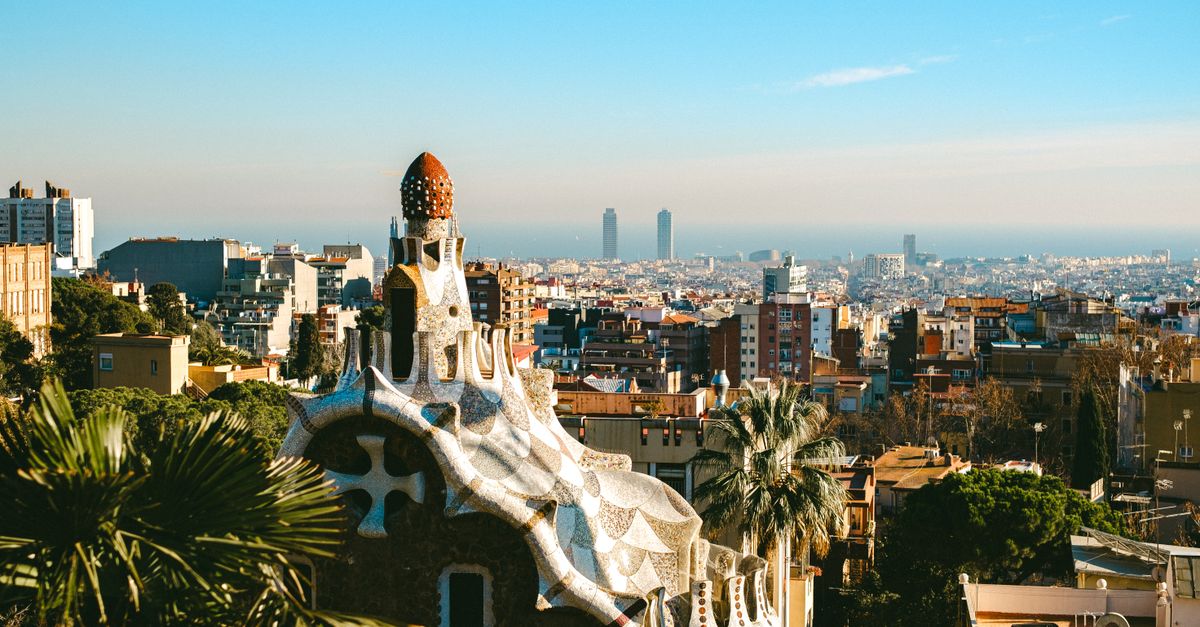
Barcelona’s cultural landscape is undergoing a transformation as independent collectives and grassroots organizations pivot toward hyper-local, community-led programming. Throughout the city this Sunday, July 6, residents are turning away from traditional, high-volume tourism hubs in favor of decentralized art spaces and neighborhood workshops that prioritize long-term social cohesion over transient visitor experiences.
The shift is most visible in the industrial corridors of the Poblenou district, where the Creative District initiative has transformed former manufacturing warehouses into collaborative hubs. Organizations like Nau Bostik have become essential markers of this movement, serving as both a venue for independent theatre and a focal point for neighborhood-led urban gardening projects. These spaces function less as curated galleries and more as living rooms for the community, where the emphasis remains on the exchange of ideas rather than the consumption of goods.
This movement towards localized culture extends into the historic center, specifically within the narrow streets of El Born. At the Centre de Cultura i Memòria, programs are increasingly focused on the preservation of neighborhood oral histories, reflecting a broader municipal mandate to ground contemporary art in the specific social history of the city. By centering the experiences of local residents, these institutions are creating a buffer against the pressures of global commercialization that often characterize European capitals.
Participation in these neighborhood-driven programs has seen steady growth throughout the first half of 2026. According to the Ajuntament de Barcelona's cultural department reports, attendance figures for community-based art initiatives within the District of Sant Martí have shown consistent increases compared to the same period in 2025. Furthermore, the city’s recent implementation of the Pla de Drets Culturals continues to allocate resources specifically to grassroots organizations, with recent funding disbursements made as recently as the second quarter of this year to support non-profit creative workshops.
For those looking to engage with this movement today, the city offers a variety of entry points. Visitors and residents alike are encouraged to look beyond the central thoroughfares, such as La Rambla, and instead explore the independent markets currently operating in the Gràcia neighbourhood. These gatherings prioritize local handicraft over mass-produced retail, providing a direct link between the artisan and the buyer. As the city continues to navigate its role as both a global destination and a home for its citizens, the success of this movement will likely depend on the continued collaboration between local government grants and the residents who manage these independent spaces.
How does this story make you feel?
Spread the word
About this article
Published by The Daily Barcelona
Daily brief
Free, in your inbox before 7am. Weekdays.
More in culture