culture
Barcelona Transforms Public Art and Design Across Historic and Modern Districts
From the historic avenues of El Born to the cutting-edge workshops of Poblenou, Barcelona is recalibrating its relationship with public art and community-led design.
Listen in English · 4 min
How we reported this
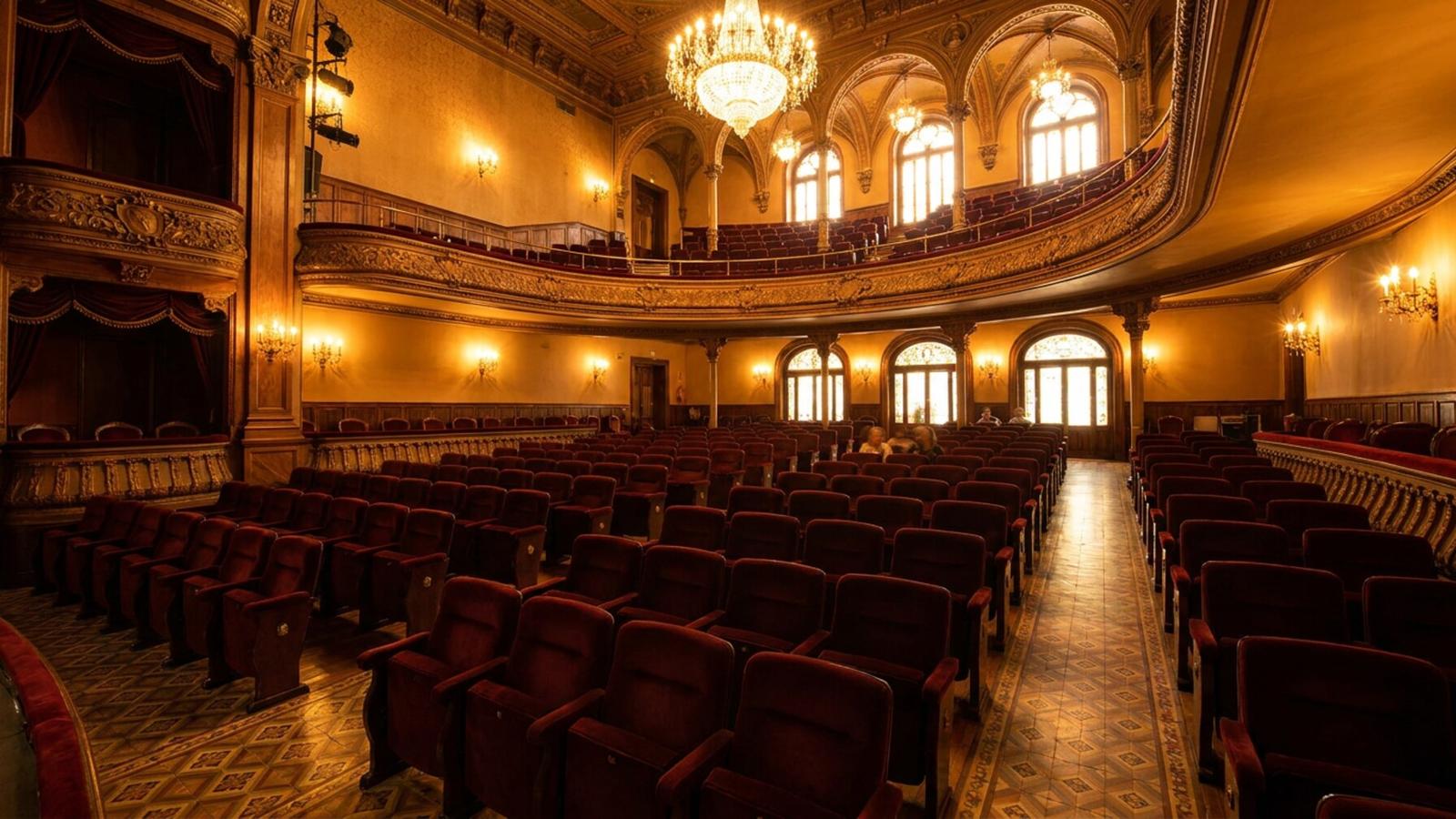
Barcelona’s cultural pulse is currently shifting away from traditional gallery spaces, moving firmly into the streets and industrial corridors of the city. Today, residents and visitors are engaging with a series of community-led creative programs that seek to reclaim urban environments, signaling a departure from the city’s established tourism-focused art model toward a more localized identity. This move, centered on grassroots initiatives and collaborative spaces, reflects a broader desire among citizens to see their daily surroundings as a living, breathing component of Barcelona's long-term design legacy.
The Shift to Decentralized Creation
In neighborhoods like Poblenou, the transformation is palpable. Once a hub for textile manufacturing, this area now houses the Disseny Hub Barcelona, which is currently serving as a focal point for emerging designers and multimedia artists. The shift is not merely aesthetic; it is an economic redirection of how the city’s creative industries interface with public life. Across the city, programs such as those hosted by the CCCB (Centre de Cultura Contemporània de Barcelona) are actively prioritizing projects that integrate sustainable urban planning with artistic expression, effectively blurring the lines between civic infrastructure and fine art.
This cultural pivot is reinforced by a steady increase in local participation within these shared creative zones. Public records from the Ajuntament de Barcelona indicate that investment in local neighborhood cultural programs has remained a priority throughout the 2026 fiscal cycle. Furthermore, for those looking to engage with this movement, entry to many of these evolving cultural hubs remains accessible, with general admission prices to the major design institutions hovering around 6 euros to 10 euros depending on the specific exhibition. These spaces now act as a gateway for the public to witness the ongoing evolution of the city's identity, providing a stark contrast to the more conventional museum circuits.
Community Engagement and Future Directions
Beyond the formal institutions, the spirit of this shift is visible along the corridors of El Born and the quieter plazas of Gràcia. Here, the creative identity of Barcelona is being defined by smaller, independent collectives that prioritize long-term community impact over temporary installations. The focus has moved toward adaptive reuse, where historical architecture is repurposed as incubation space for technology and traditional craftsmanship alike. This trend suggests a move toward an identity defined by its inhabitants, rather than solely by its historical monuments.
For those planning to explore these developments today, the best approach is to move beyond the primary thoroughfares. The local neighborhood centers are currently circulating updated schedules for weekend workshops and open-studio days that provide insight into the city's creative trajectory. Visitors are encouraged to check the official Barcelona Cultura portal for the latest updates on community-led programming. As the city moves through the summer of 2026, the focus will continue to be on how these decentralized creative practices can be sustained and integrated into the daily life of every district, ensuring the city remains a center for original thought rather than just a curated destination.