The Gòtic’s Curated Shift: Why Barcelona’s Galleries Are Breaking Up With Mass Tourism
A quiet rebellion is reshaping the city's art district as local curators pivot away from transient foot traffic toward long-term member cultivation.
A quiet rebellion is reshaping the city's art district as local curators pivot away from transient foot traffic toward long-term member cultivation.

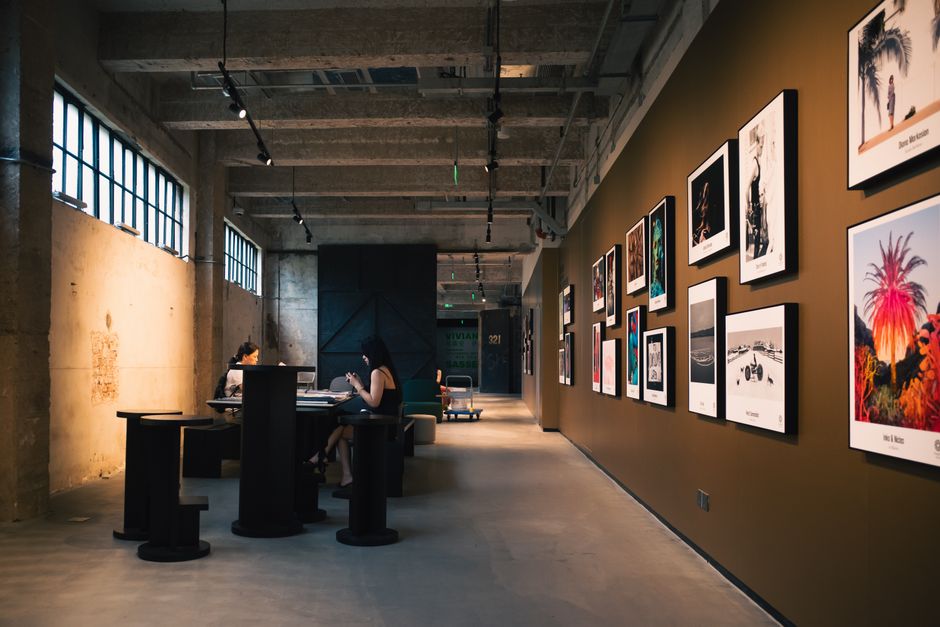
Barcelona’s independent art scene is undergoing a structural transformation this July, as a growing coalition of galleries in the Barri Gòtic and El Born move to abandon the "open-door" tourism model that defined the district for the last decade. Instead of catering to the thousands of daily cruise ship passengers streaming off the docks at Moll de Barcelona, gallery owners are installing digital appointment systems and limiting entry to private viewings or ticketed educational sessions.
This tactical pivot is driven by rising commercial rents, which surged by 12% in the Ciutat Vella district during the first half of 2026. For spaces like the Galeria Senda on Carrer de Trafalgar or the long-standing Sala Parés on Carrer de Petritxol, the math no longer supports a high-volume, low-conversion business model. Owners argue that the sheer density of crowds—often exceeding 20,000 visitors per day in the central tourist axes—has actively deterred local collectors from navigating the city center. By transitioning to a model based on membership and pre-arranged visits, these institutions are attempting to reclaim their space as community hubs rather than stop-offs for souvenir hunters.
The shift is further reflected in the shifting programming at the Fundació Joan Miró and the Museu Picasso. Both institutions have recently expanded their "after-hours" access programs for local residents, a direct response to data indicating that over 78% of their annual ticket sales are purchased by non-residents. At the Fundació, the new resident-only evening access on Thursday nights has seen a 40% uptick in local participation since it was introduced on June 15. The galleries are betting that long-term loyalty from a local base provides a more stable revenue stream than the volatile, weather-dependent tourist surges currently affecting cultural events from Philadelphia to Washington, D.C.
The implications for the average visitor are immediate. If you are planning a gallery crawl through the narrow alleys of El Born, your ability to walk into a private exhibition without a reservation is effectively gone. Most professional galleries now require a QR code booking via apps like ArtPassport or direct email inquiries at least 24 hours in advance. While this may frustrate those seeking a casual afternoon of window shopping, the change has been welcomed by local critics who believe it will foster higher-quality engagement with contemporary Catalan artists.
For those looking to navigate this new landscape, the best strategy is to check the weekly listings in the Barcelona Art Gallery Association (AIGAB) digital bulletin, which updates every Tuesday. The association is currently lobbying the City Council for a dedicated "culture pass" that would offer locals discounted rates and priority entry, an attempt to solidify these changes into official municipal policy before the autumn exhibition season begins in September. If you are in the city this weekend, expect quiet, intimate spaces that prioritize discourse over throughput, provided you have planned your route in advance.
How does this story make you feel?
Spread the word
About this article
Published by The Daily Barcelona
Daily brief
Free, in your inbox before 7am. Weekdays.
More in culture