From the Gothic Quarter to the 22@ District: The Evolution of Barcelona’s Gallery Scene
As independent spaces continue to shift away from the city's historic core, the capital of Catalonia is redefining its relationship with contemporary art.
As independent spaces continue to shift away from the city's historic core, the capital of Catalonia is redefining its relationship with contemporary art.
Barcelona’s art scene reached a critical tipping point this morning as the Association of Galleries of Catalonia (GAC) announced a 15% increase in private exhibition spaces relocating from the Ciutat Vella to the Poblenou district. This migration, spanning the last decade, represents the most significant shift in the city’s cultural geography since the post-Olympic urban renewal of the 1990s.
The historical heart of Barcelona’s art world was long anchored in the Carrer de Petritxol and the narrow, winding alleys of the Gothic Quarter. For decades, traditional dealers relied on the high foot traffic of tourists and the proximity to the Museu Picasso. However, the skyrocketing commercial rents of the last five years have pushed mid-sized galleries, such as those formerly clustered around the Carrer d'Enric Granados, to seek cheaper, expansive footprints in the 22@ innovation district.
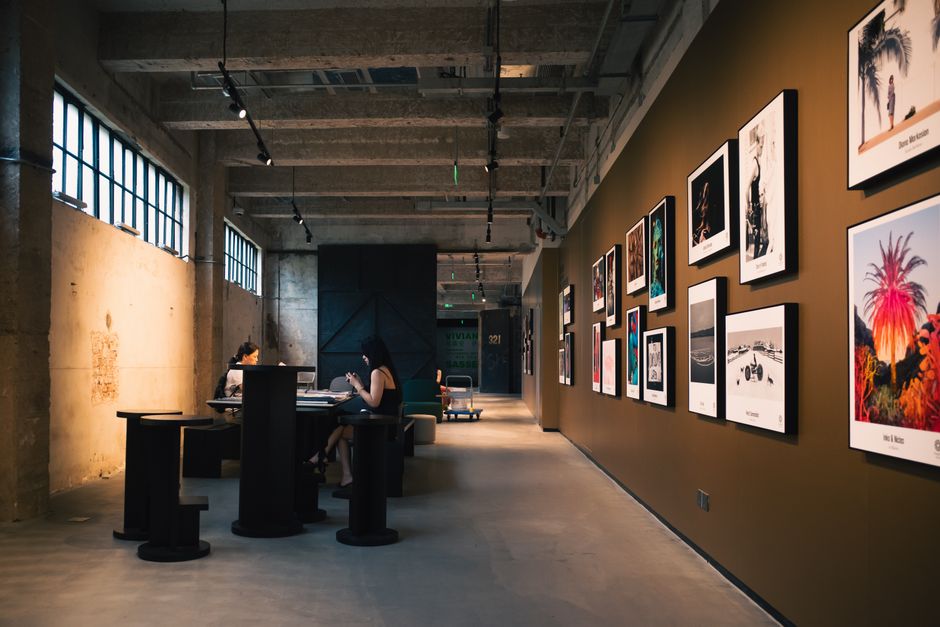
This shift is not merely about square footage. In the old center, spaces were confined by 18th-century stone constraints, limiting installations to two-dimensional works. Today, spaces like the newer outposts near the Parc del Centre del Poblenou offer high ceilings and raw concrete interiors that cater to digital media, immersive light installations, and large-scale sculptures. The transition reflects a broader pivot in Barcelona’s identity from a merchant-art hub to a laboratory for contemporary interdisciplinary production.
Statistical reports released by the GAC last week indicate that the average rental price for a 200-square-meter gallery space in the Eixample district now sits at €4,500 per month, compared to just €2,800 for similar properties in the transformed industrial zones of Sant Martí. Since 2022, the number of independent galleries operating outside the traditional "Golden Square" has risen from 12 to 38, marking a clear decentralization of the city’s cultural power.
Despite this exodus, the prestige of the central institutions remains unchallenged. The Fundació Joan Miró and the Museu d’Art Contemporani de Barcelona (MACBA) continue to serve as the city's gravitational poles. These institutions provide the necessary validation for the smaller galleries that now populate the periphery. While the primary galleries are moving, the ecosystem remains tightly linked through joint initiatives like the Barcelona Gallery Weekend, which coordinates transport and guided tours between the legacy galleries in the city center and the new warehouses of the east.
For those looking to map the current state of the market, the recommendation remains the same: spend your Friday mornings navigating the established, classic dealers on Carrer del Consell de Cent, then devote your afternoons to the emerging experimental spaces in Poblenou. The city’s next major pivot arrives in September, when the annual gallery circuit kicks off; visitors should expect to see a higher concentration of international curators spending their time at these new, purpose-built venues rather than the traditional storefronts of the old town.
How does this story make you feel?
Spread the word
About this article
Published by The Daily Barcelona
Daily brief
Free, in your inbox before 7am. Weekdays.
More in culture