Stones and Stories: How Barcelona’s Deep Heritage is Defining the City’s Creative Identity
From the Roman walls of the Barri Gòtic to the experimental digital labs of Poblenou, the city is weaponizing its layered past to shape a new cultural future.
From the Roman walls of the Barri Gòtic to the experimental digital labs of Poblenou, the city is weaponizing its layered past to shape a new cultural future.
Barcelona is currently undergoing a radical reclamation of its own history, moving beyond the well-trodden tourist trails of the Sagrada Família to integrate deeper, more complex layers of its past into the city's modern creative economy. This shift is most visible in the rehabilitation of industrial sites and medieval archives, which are being repurposed as hubs for art, tech, and performance, signaling a departure from the city’s recent history of over-tourism and toward a more localized cultural sustainability.
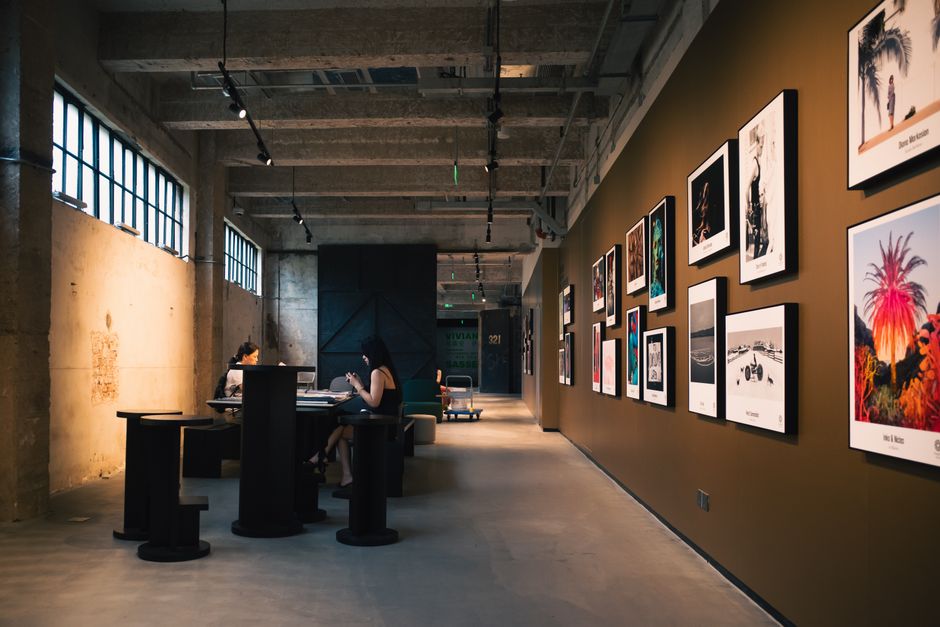
The transformation of the Poblenou district into the 22@ innovation zone serves as the primary testing ground for this new identity. At the heart of this transition lies the Can Framis Museum, operated by the Fundació Vila Casas. Housed in a 18th-century factory building, the space refuses to hide its distressed concrete and brickwork, instead using the scars of history as a backdrop for contemporary Catalan art. This tension between the historic fabric and digital-age output has attracted a new cohort of creatives, moving away from the crowded souvenir shops of Las Ramblas to the quiet, red-brick corridors of the Sant Martí district.
This isn't just an aesthetic pivot; it is a calculated economic strategy. The Barcelona City Council reported that the cultural and creative industries accounted for approximately 7.1 percent of the city’s total GDP as of the 2025 fiscal year-end review. Furthermore, the municipal program 'Heritage for All' has allocated 45 million euros toward the adaptive reuse of heritage sites, specifically targeting spaces that provide affordable studio leases for local artisans. These studios are increasingly focused on 'vernacular modernism,' a trend where digital designers collaborate with traditional textile workers and ceramicists from the Gràcia neighbourhood to produce goods that reference the city’s medieval trade guilds.
In the Barri Gòtic, the focus is shifting toward the microscopic. Archaeologists working with the MUHBA (Museu d'Història de Barcelona) have recently opened subterranean access points near the Plaça del Rei, inviting local creators to host intimate, site-specific acoustic performances within the Roman ruins of Barcino. This move to use historical sites as active, living stages—rather than static museums—is redefining how the city interacts with its own timeline. By stripping away the velvet ropes, organizers are encouraging a younger generation to view history as a raw material for design rather than a dusty relic.
Residents interested in engaging with these new cultural spaces should track the upcoming calendar for the 'Barcelona Creative Heritage' series, which launches its autumn rotation in September. The city’s official tourism and cultural portal, BCN.cat, now features a granular search filter allowing users to browse events by historical era or architectural style. For those seeking a deeper dive into this crossover of old and new, the Arxiu Històric de la Ciutat de Barcelona on Carrer de Santa Llúcia will open its archives for special 'industrial heritage' tours starting July 15. Tickets are priced at a nominal 5 euros to encourage local access over large-scale tour groups, marking a clear prioritization of resident-driven cultural growth.
How does this story make you feel?
Spread the word
About this article
Published by The Daily Barcelona
Daily brief
Free, in your inbox before 7am. Weekdays.
More in culture