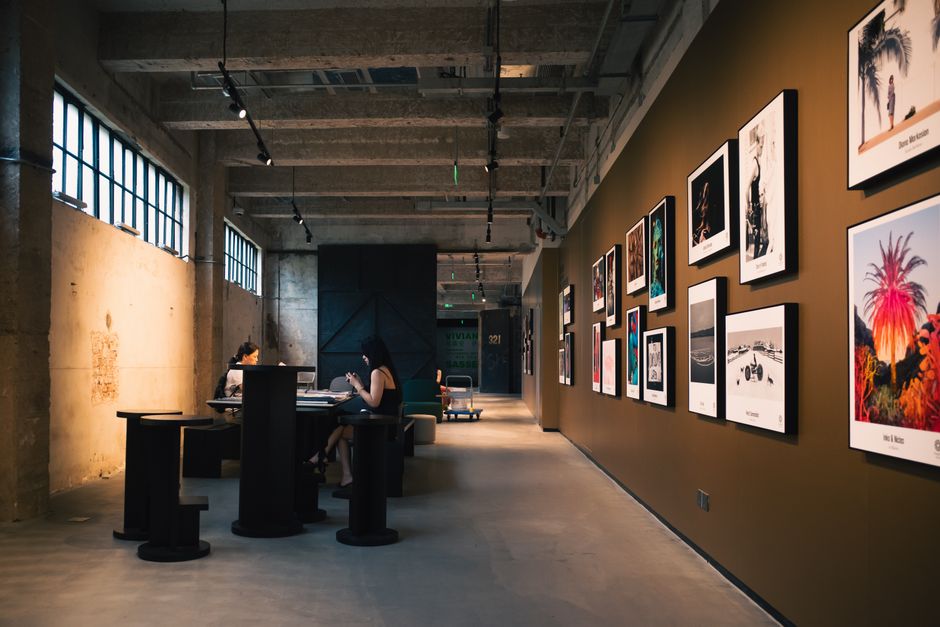
Barcelona’s art world is shedding its skin. Over the last eighteen months, the traditional dominance of the Passeig de Gràcia commercial galleries has faced a genuine challenge from an insurgent network of artist-run collectives, pop-up studios, and community-funded exhibition halls. This shift marks a departure from the city’s standard focus on legacy tourism and toward a model that prioritizes hyper-local talent over international acquisition trends.
From Industrial Roots to Creative Hubs
The epicenter of this transformation sits along the Carrer de Pere IV in Poblenou. Where factory whistles once dictated the rhythm of the neighborhood, industrial warehouses now house permanent installations and collaborative workspaces like the Nau Bostik. These venues are bypassing the traditional, often gate-kept gallery structure, operating instead on a communal membership model that allows younger, experimental artists to bypass the 40 to 50 percent commission fees typically demanded by high-street dealers.
This is not merely a change in geography, but a fundamental redesign of how art reaches the public. Groups like the Associació de Galeries d'Art de Catalunya are noticing the migration. While the heavyweights are stuck managing skyrocketing commercial rents near the Rambla de Catalunya, these newer cohorts are leveraging social-driven marketing and direct-to-consumer sales to reach a younger, digital-native collector base that cares less about prestige and more about peer-to-peer connection.
The Numbers Behind the Shift
The financial data confirms this grassroots trend is sustainable rather than fleeting. According to the recent quarterly municipal report released on June 15, small-scale gallery revenue across the Sant Martí and Ciutat Vella districts has seen a 22 percent increase since January 2026. Conversely, foot traffic at more traditional institutional museums has dipped by roughly 4 percent, partly due to the city’s decision to limit peak-season crowd density. Current rental data shows that while retail space on Avinguda Diagonal can cost upwards of €80 per square meter, these secondary-market studios in the industrial corridors are securing long-term leases for nearly half that cost, creating a low-overhead environment that incentivizes bold, experimental programming.
For those looking to catch the wave before the next cycle of gentrification sets in, the best move is to venture away from the Plaça de Catalunya orbit. Keep an eye on the forthcoming exhibition cycle at the Convent de Sant Agustí starting July 12, which focuses exclusively on local muralists who have historically been sidelined by city planners. If you want to support the movement, skip the gift shop at the major museums this weekend and instead head toward the cluster of workshops surrounding the MACBA, where informal 'open studio' Saturdays are becoming the primary destination for local art buyers looking for direct engagement with creators.