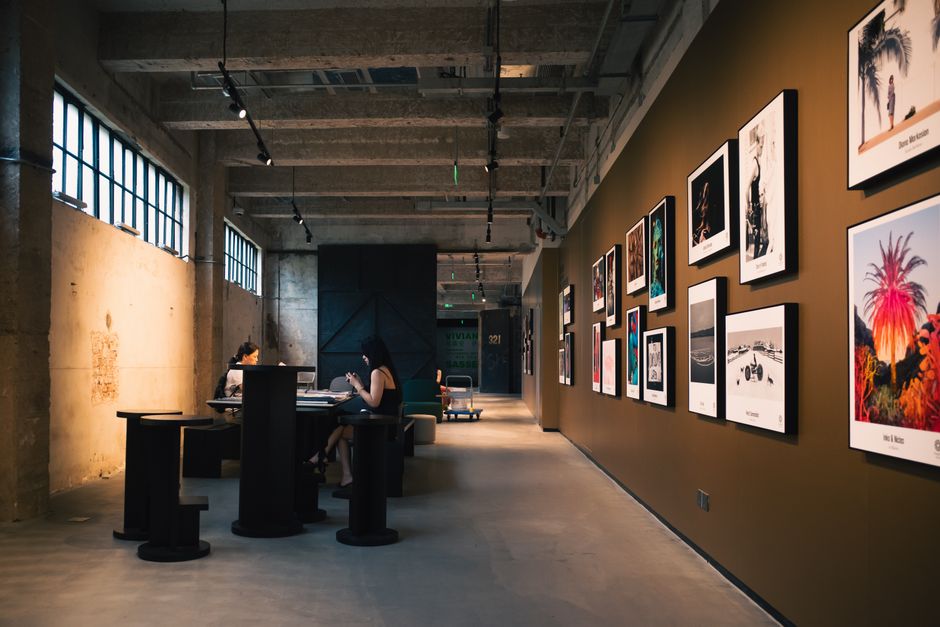
Barcelona’s streets are defying the blistering heatwave that has ground major cities across the United States to a halt this Independence Day. While outdoor events in D.C. remain canceled due to temperatures pushing past 40 degrees Celsius, the Catalan capital has pivoted its mid-summer cultural identity toward the 'refugi climàtic'—a network of climate-controlled, culturally active nodes that prove urban life can remain vibrant under duress.
Cooling as a creative act
The city's cultural pulse today is found in the shaded courtyards of the El Raval district and the retrofitted industrial spaces of Poblenou. Instead of holding high-density outdoor rallies, the Barcelona Institute of Culture (ICUB) has decentralized today’s programming into smaller, interior venues. At the Centre de Cultura Contemporània de Barcelona (CCCB), crowds are filling the 'Artificial Intelligence' exhibition, which is currently enjoying its highest foot traffic of the month, as residents prioritize air-conditioned galleries over the baking plazas of Plaça de Catalunya.
This shift toward climate-resilient arts management marks a departure from the city’s traditional reliance on massive street festivals. Institutions like the Disseny Hub are now operating as primary community hubs, offering free access to exhibitions as a form of social service. The strategy effectively blends public health with civic pride, positioning the city’s creative institutions not merely as aesthetic repositories, but as critical infrastructure during extreme weather events.
The data behind the cooling strategy
Data from the Ajuntament de Barcelona confirms the necessity of this shift. Over 200 public spaces have been designated as official climate shelters this summer, an increase of 15% from the 2025 pilot program. Admission fees to municipal museums remain capped at €7.00 for standard entries, with free access after 3:00 PM on Sundays and specific holiday windows, ensuring that the cooling centers remain accessible to all socioeconomic brackets. Even the iconic rooftop terraces in Eixample are seeing a dip in bookings, as the 'terrasse' culture migrates into the deeper, cooler stone interiors of the city's gothic architecture.
For those looking to navigate the city today, the most effective approach is to follow the 'Xarxa de Refugis Climàtics' map available on the city council's official portal. Skip the exposed Ramblas until after sunset. Instead, head toward the libraries in the Gràcia neighbourhood or the quieter exhibition halls near the Museu Picasso. These spaces are hosting intimate acoustic sets and lecture series today, maintaining the city’s cultural output without the thermal risk. By sunset, expect the humidity to break slightly, allowing for the traditional late-night dining scene to reclaim the Carrer de Blai, provided the current thermal dome remains stable.