A Scorching Fourth in the City: The Evolution of Barcelona’s Public Square
While the world marks global transitions today, Barcelona’s historic plazas are quietly reshaping their role in the local cultural life.
While the world marks global transitions today, Barcelona’s historic plazas are quietly reshaping their role in the local cultural life.

Barcelona is sweltering under a 34-degree heatwave this July 4, forcing residents and tourists alike to abandon the sun-drenched expanses of the Eixample for the shaded, narrow arteries of the Gothic Quarter. While Washington D.C. and Philadelphia have scrubbed their Independence Day festivities due to extreme temperatures, Barcelona remains defiant, shifting its traditional mid-summer social calendar into the late-night hours as it has for centuries.
The transition of the city’s urban identity has been stark. Fifty years ago, spaces like the Plaça de Sant Felip Neri were local hubs defined by the rattling of metal shutters and the neighborhood chatter of the Ciutat Vella. Today, the geography of the street has shifted toward international commerce and adaptive reuse. Organizations like the Barcelona Institute of Culture have spent the last decade attempting to curb the displacement of local heritage, yet the conversion of 19th-century residential walk-ups into transient luxury rentals has fundamentally altered the city’s social fabric.
This tension is most visible on Carrer de Petritxol, a street historically famous for its chocolateries. These shops no longer serve just the local parish; they anchor a high-traffic tourist corridor that connects the Rambla to the interior of the old city. The evolution of the scene here mirrors the broader shift across Mediterranean hubs like Naples or Marseille, where the "living city" must constantly negotiate its survival against the sheer volume of global foot traffic.
The numbers behind this shift are hard to ignore. According to 2025 municipal data from the Ajuntament de Barcelona, the average price of a short-term rental permit in the central districts now exceeds 4,500 euros per year, a staggering 22% increase since 2022. During the same period, the count of traditional neighborhood bodegas has dwindled, replaced by standardized retail concepts that cater to the transient visitor. This economic friction has led to the rise of community-led cooperatives, such as the Xarxa d'Economia Solidària, which now manages over 30 micro-venues across Gràcia and Poblenou designed to preserve the original Catalan cultural infrastructure.
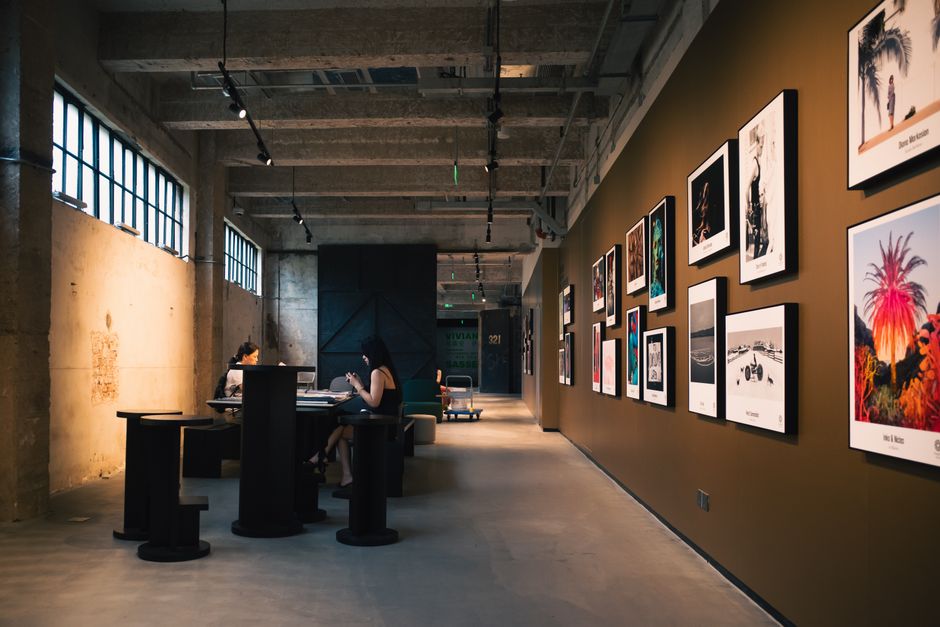
For those looking to engage with the city tonight, the best strategy is to avoid the crowded harbor zones. Instead, head to the shaded terraces in the backstreets of El Born. Local galleries like the Galeria Senda are keeping their doors open until 9:00 p.m. to offer refuge from the humidity, while the smaller, non-franchised jazz bars near Plaça Reial are hosting local performers—a reminder that the soul of this city, while evolving rapidly, is still best found away from the main thoroughfares. If you plan to dine, aim for 10:00 p.m. to catch the peak of the evening breeze; before then, the streets will remain as hot and quiet as the history they hold.
How does this story make you feel?
Spread the word
About this article
Published by The Daily Barcelona
Daily brief
Free, in your inbox before 7am. Weekdays.
More in culture