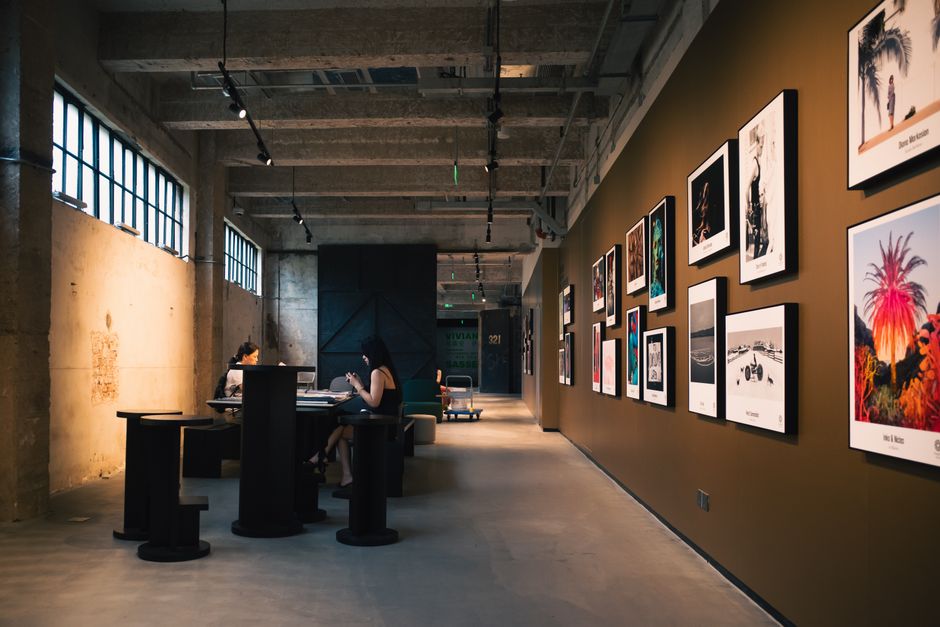
Barcelona’s Gallery Scene Shifts: Meet the Emerging Talent Voices and the Next Wave to Watch
As institutional budgets tighten across Europe, a surge of grassroots collectives in Poble-sec and El Raval is redefining the local market.
As institutional budgets tighten across Europe, a surge of grassroots collectives in Poble-sec and El Raval is redefining the local market.

A quiet rebellion is brewing in the white-walled spaces tucked between the Gothic Quarter and the industrial fringes of the city. While the MNAC continues to pull record numbers for its historical retrospective of 20th-century Catalan painters, the actual heat of the Barcelona art market has migrated to the smaller, riskier galleries tucked into the side streets of Carrer de Tapioles and Carrer de la Cera. A new generation of curators, most under the age of 30, are bypassing traditional gatekeepers, opting instead for pop-up exhibitions and private viewings that prioritize digital-physical hybrid works over the stagnant, canvas-heavy approach of the previous decade.
The significance of this pivot lies in the changing economic landscape for young artists in Catalonia. For years, the path to visibility required heavy investment from institutional grants, many of which have seen a 12% reduction in funding since the start of the 2026 fiscal year. In response, collectives like La Escocesa in Poblenou and the independent non-profit Homesession have become essential incubators. They are providing not just studio space, but also the business training necessary to survive in a market where international collectors are increasingly pivoting toward Mexican and Southeast Asian contemporary scenes.
These venues are moving away from the traditional 50% commission model. Instead, experimental spaces like Bombon Projects on Carrer de Trafalgar are experimenting with subscription-based models for local collectors. The shift is tangible: at last month’s 'New Views' showcase, seven out of ten pieces sold within the first 48 hours to buyers primarily under the age of 40. The average price point for these emerging works currently sits between €800 and €2,500, a sector of the market that has grown by an estimated 18% compared to the same quarter last year.
The next wave of talent is defined by a preoccupation with urban fragmentation and climate volatility. Artists such as those featured in the current residency programs at Hangar are utilizing local data sets—often pulling from the city's own open-source pollution monitoring stations—to create interactive installations. It is a stark departure from the romantic landscape paintings that dominated the local scene throughout the early 2000s. The work is sharper, more kinetic, and far more connected to the geopolitical anxieties of the current year, from the regional stability issues currently playing out across the Mediterranean to the localized housing crises impacting the city's own neighborhoods.
For those looking to track this movement, look toward the upcoming September exhibition cycle. The Barcelona Gallery Weekend remains the primary window, but the true pulse of the city will be found in the smaller, independent spaces holding 'pre-show' previews in late August. If you want to invest in or simply follow these voices, keep your eyes on the digital catalogs of Galeria Joan Prats, which has recently begun dedicating a permanent third of its floor space to these non-traditional, under-30 creators. Expect more ephemeral, short-term contracts; the days of long-term gallery representation for young talent are fading in favor of project-based collaboration.
How does this story make you feel?
Spread the word
About this article
Published by The Daily Barcelona
Daily brief
Free, in your inbox before 7am. Weekdays.
More in culture