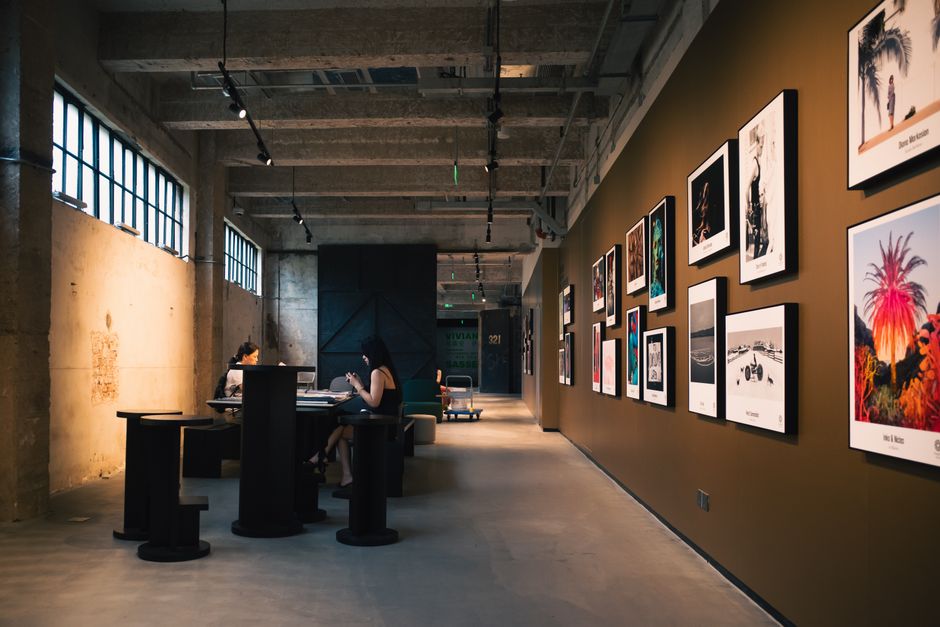
Beat and Barrio: How Barcelona’s Small Venues are Defining the City’s Creative Identity
As global touring circuits tighten, the resilience of independent stages from Poble-sec to Gràcia is keeping the city's pulse alive.
As global touring circuits tighten, the resilience of independent stages from Poble-sec to Gràcia is keeping the city's pulse alive.
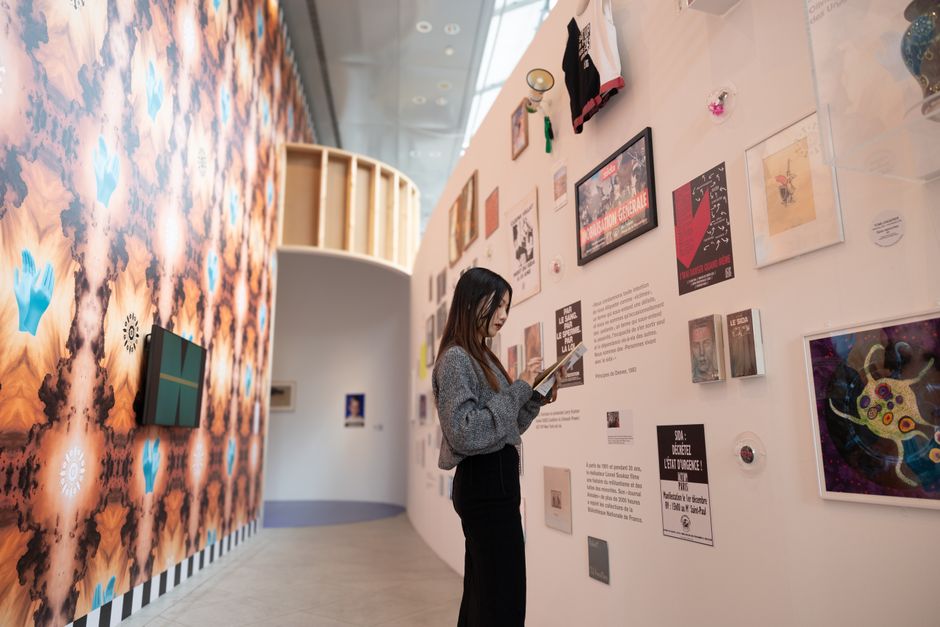
Barcelona’s cultural standing this July is less about the grand spectacles at the Estadi Olímpic and more about the hum of feedback inside cramped, sweaty basements across the city. While headline tours are increasingly centralized, local promoters are fighting to keep the neighborhood scene the cornerstone of Barcelona’s identity. From the shifting rhythms of Carrer de Blai to the industrial echoes of Poblenou, the city’s music ecosystem is moving away from the stadium model in favor of hyper-local, independent curation.
This shift matters because Barcelona’s creative economy relies on talent churn. When venues like the Sala Apolo or the smaller, more volatile spaces in Gràcia struggle, the city loses more than just ticket sales; it loses the entry point for local artists. Current municipal data indicates that nearly 60% of the city’s independent concert halls have faced significant licensing hurdles or rent hikes over the last 18 months, forcing a re-evaluation of how much space we allocate to live culture in a city defined by its historic density.
The survival of venues like Sidecar Factory Club in Plaça Reial or the more intimate Heliogàbal in Gràcia serves as a proxy for the city’s soul. These spaces are currently operating under a 2024 municipal initiative aimed at protecting "Cultural Spaces of Special Interest," yet operators claim the bureaucratic weight of noise ordinances remains an existential threat. On a Tuesday night in July, you are more likely to find the city's next generation of electronic producers swapping gear at a neighborhood bar than on a grand stage, proving that the "Barcelona sound" is being brewed in non-traditional, often temporary, spaces.
Data from the Barcelona Music Association shows that the average ticket price for an independent club show has risen by approximately 15% since 2025, reaching an average of 18 euros per entry. Despite this, attendance at mid-sized venues holding fewer than 300 people has held steady, signaling that residents are prioritizing local community connection over mass-market events. The concentration of these venues in neighborhoods like Poble-sec, where the density of live music spots has increased by 12% in the last three years, indicates a deliberate move toward micro-tourism and local patronage that bypasses the typical tourist circuit.
The industry is now bracing for the fall concert cycle, which typically begins in September following the Festa Major de Sants. Promoters are calling on the City Council to fast-track the "Soundscape Zoning" project, which would grant permanent cultural status to legacy venues on Carrer d’En Robador and nearby alleys. Without this protection, owners fear the neighborhood character that fuels the local music scene will continue to be eroded by rising residential gentrification.
For those looking to engage with the city’s evolving scene, the advice is simple: follow the calendars of collective-run spaces rather than relying on global ticketing platforms. Venues like Freedonia in Raval are currently hosting acoustic sessions on Sunday afternoons that offer a clearer look at the city’s creative direction than any major festival lineup. Keep your eyes on the upcoming "Nit de la Música" listings for late August; if the local scene is any indicator, the most significant shifts in Barcelona’s identity will happen in rooms where the audience capacity stays under 200.
How does this story make you feel?
Spread the word
About this article
Published by The Daily Barcelona
Daily brief
Free, in your inbox before 7am. Weekdays.
More in culture