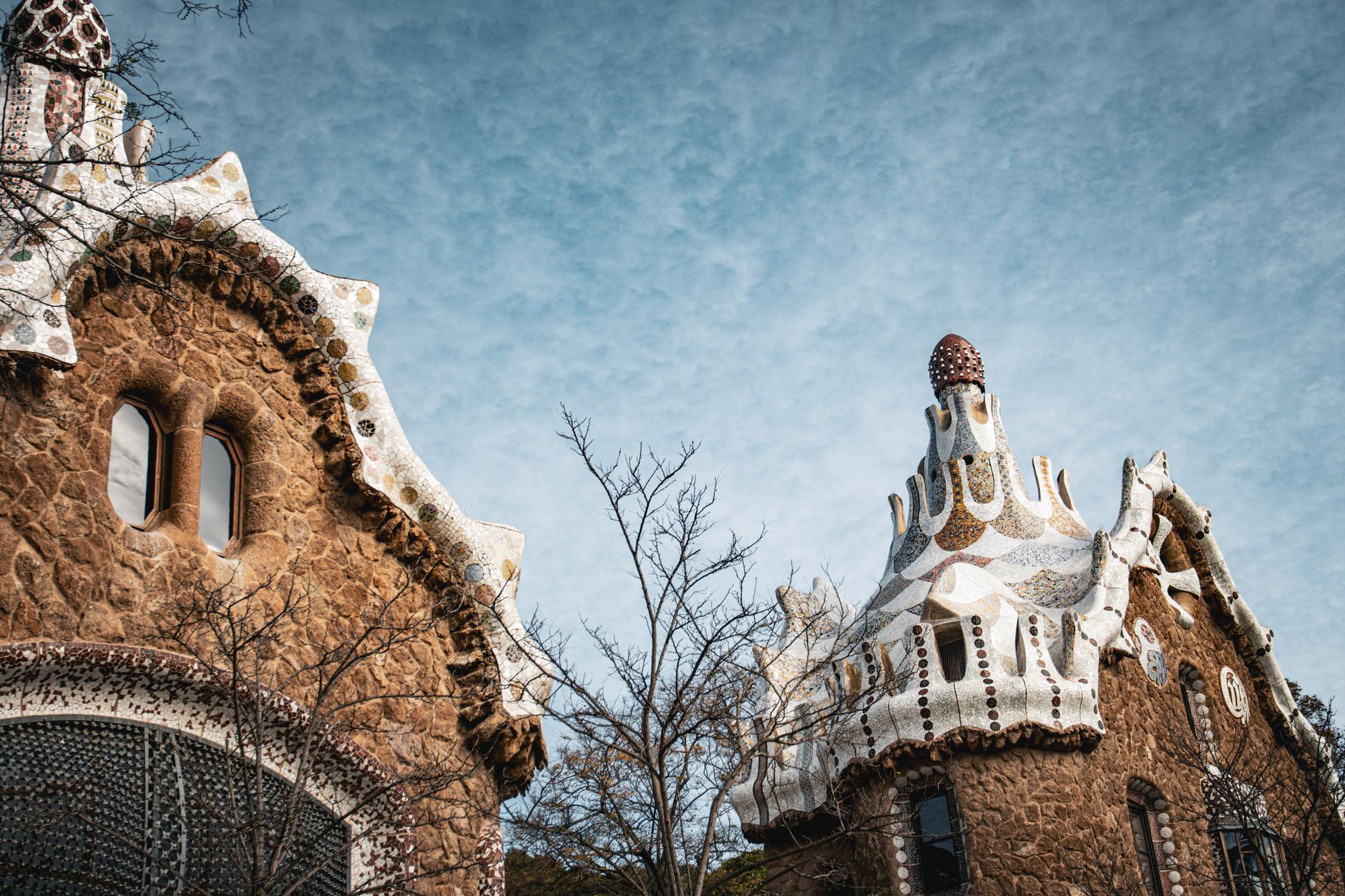
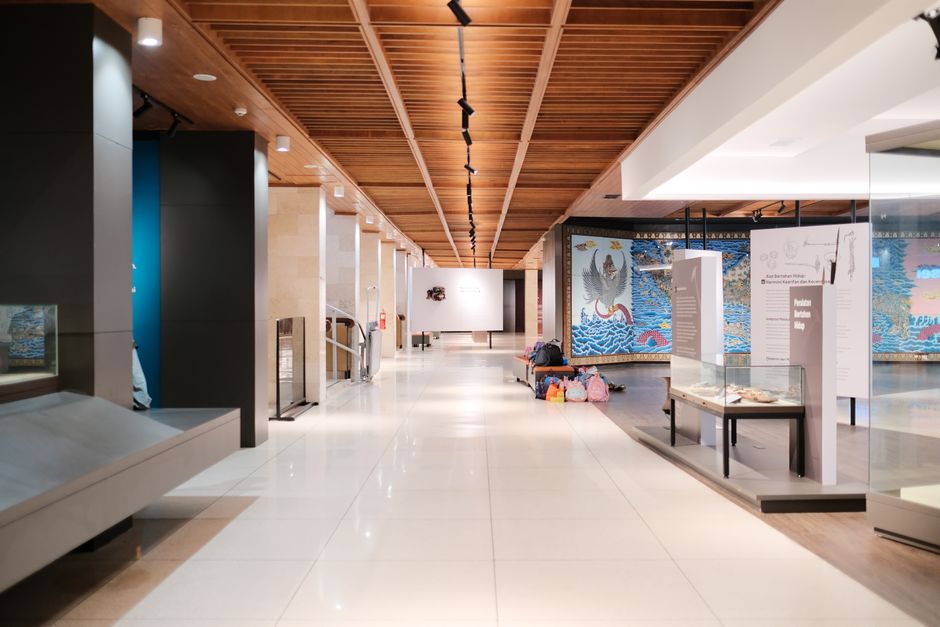
Barcelona's cultural institutions are feeling the heat—literally and figuratively. While record temperatures cancel festivals across Europe and geopolitical upheaval reshapes international cultural exchange, this city's arts scene faces a reckoning about what happens when the machinery of cultural production grinds against climate chaos and shifting travel patterns.
The question isn't new to Barcelona. For nearly forty years, this city has reinvented itself through culture. What started as a desperate attempt to remake a fading industrial port into a livable city has become a template studied by urban planners worldwide. Today's challenges—from extreme heat disrupting outdoor programming to the unpredictability of international tourism—echo earlier crises that forced Barcelona's cultural leaders to adapt or fade.
From Ruins to Renaissance: The Barcelona Model
In the 1980s, Barcelona was broke. The textile and manufacturing sectors had collapsed. The city looked inward and spotted opportunity in the 1992 Olympic Games. That gamble—transforming industrial wastelands like Poblenou into cultural districts and using the Games as a catalyst for infrastructure—pulled the trigger on what became Europe's most aggressive arts-led regeneration.
The Museu d'Art Contemporani de Barcelona (MACBA), which opened in 1995, three years after the Olympics ended, became the symbol of that transformation. Built on what had been a vacant plaza in the Raval neighbourhood, MACBA and its surrounding esplanade became a gathering point that attracted street artists, skateboarders, and international visitors. The museum's 25,000-square-metre collection now draws roughly 350,000 visitors annually, according to 2024 figures.
The Fundació Joan Miró in Montjuïc tells a parallel story. Established in 1975 but radically expanded after the Olympic push, it became a anchor institution that helped transform the Montjuïc hillside from a military fortress into a cultural park. Today the foundation manages over 14,000 works and operates on an annual budget exceeding €18 million.
What's crucial here: Barcelona didn't stumble into this. City planners consciously weaponised culture against decline. They zoned, invested, and recruited. The result was measurable. Between 1990 and 2010, Barcelona's GDP per capita nearly doubled. Arts and cultural tourism accounted for an estimated 8-12% of the city's economic output by the early 2020s.
Climate, Travel, and the Fragility of Success
But that model—built partly on the assumption of reliable summers and steady international foot traffic—now wobbles. The heat cancellations rippling across the Atlantic affect Barcelona indirectly but significantly. When Philadelphia and Washington DC scrap outdoor July programming due to lethal temperatures, insurance companies recalibrate risk assessments. Barcelona's summer festival season, which typically runs from May through September across venues like Sónar (the electronic music festival, now held in June), Primavera Sound, and countless street performances in the Gothic Quarter, faces mounting pressure.
Local venue operators reported that July 2024 saw a 34% drop in evening foot traffic compared to July 2019, data from the Barcelona Activa business chamber showed. Heat wasn't the only culprit—Instagram-driven tourism had flattened, and travel volatility discouraged spontaneous visits. Yet the correlation was stark enough to worry programmers planning 2026 and beyond.
The street culture that MACBA helped catalyse through its plaza design tells another story. The esplanade remains crowded, but city officials have increasingly restricted skating and performance licenses. Where once the space represented Barcelona's cultural openness, tensions now simmer between preservation (keeping the plaza from becoming a skateboard training ground that damages the stones) and authenticity (the very spontaneous street culture that made the plaza iconic).
For anyone planning to experience Barcelona's cultural depth this summer and beyond, the advice is practical: shift your schedule. Book museums during heat-of-day hours (10 a.m. to 2 p.m., when locals typically shelter indoors and queues shrink). Prioritise indoor institutions like MACBA and Fundació Joan Miró. Check festival websites in April before committing to July dates. The infrastructure built over three decades remains world-class, but it's no longer weather-proof or infinitely elastic.