Under the Cobblestones of El Born: The Story Behind the Scene and the People Who Created It
A century of artisanal resistance defines the narrow corridors of Barcelona's oldest quarter, where modern commerce meets radical history.
A century of artisanal resistance defines the narrow corridors of Barcelona's oldest quarter, where modern commerce meets radical history.
Barcelona’s El Born district remains the city’s most complex architectural palimpsest, yet behind the polished storefronts of Passeig del Born lies a narrative of radical social cohesion rarely found in modern urban centers. While tourists flock to the Santa Maria del Mar basilica, the true history of the neighborhood is etched into the ironwork and hidden courtyards of the Carrer de la Cirera and Carrer de la Blanqueria. This history was not built by the aristocracy, but by the 'blanquers'—the leather tanners—who occupied this quarter during the 14th century, setting a precedent for a collective identity that prioritized local craft over monarchical decree.
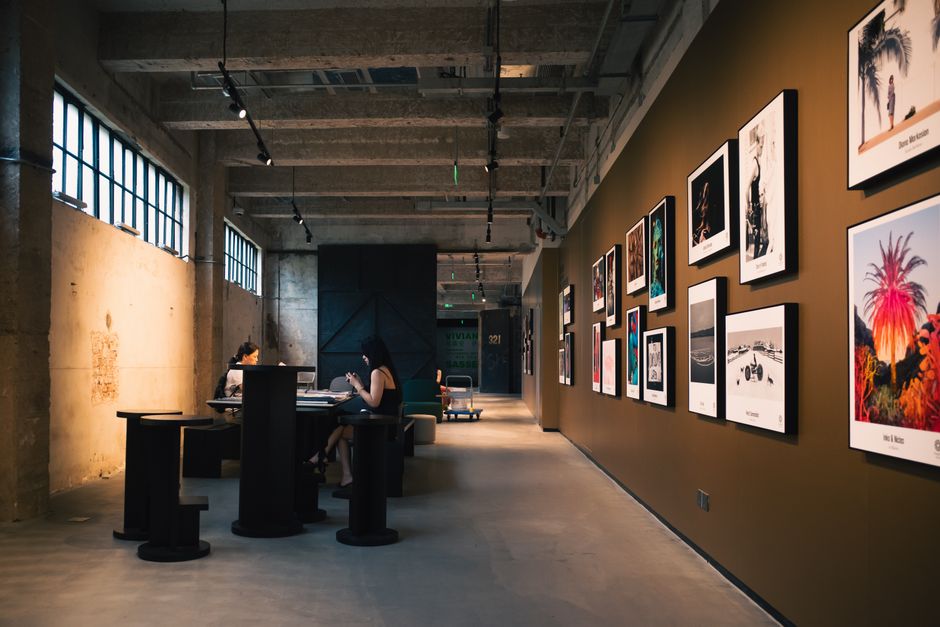
The cultural vitality seen in today’s independent galleries, such as the Espai B in the heart of the district, is a direct inheritance from the medieval guild system. These organizations once operated with a level of local autonomy that effectively governed the neighborhood’s economy until the siege of 1714. Recent archival research from the Arxiu Històric de la Ciutat de Barcelona confirms that the guild halls were not merely sites of labor, but hubs of political dissent against the Bourbon administration. This legacy of resistance is why El Born serves as the primary focal point for local civic movements, distinguishing it from the structured urban planning of Eixample or the aristocratic remnants of Pedralbes.
Today, the preservation of this identity rests on the shoulders of organizations like the Associació de Comerciants del Born, which struggles to maintain the district’s character against a tide of global retail homogenization. The struggle is tangible: while property values in the district have spiked by 18 percent since 2023, the number of multi-generational workshops has plummeted from forty-two to just twelve. The cost of maintaining a traditional workspace on Carrer de Montcada has reached upwards of 3,500 euros per month, forcing artisans to either commercialize their offerings for the tourist market or vacate entirely.
Despite these economic pressures, the soul of the district remains locked in the materials used by its residents. Local preservationists from the Fundació Enric Miralles are currently lobbying the City Council to grant protected status to the original 18th-century workshops, arguing that these spaces are the 'cultural marrow' of the city. Their proposal advocates for a tiered tax break system for businesses that maintain at least 60 percent of their original structural footprint, a measure that would keep the spirit of the 'blanquers' alive for the next generation of Barcelona creators.
For those looking to understand the mechanics behind this scene, a walk through the interior courtyards—often accessible through small, unassuming doorways on Carrer dels Banys Vells—is mandatory. Visit the Centre de Cultura i Memòria located at the site of the old El Born market. The permanent exhibition offers the most accurate mapping of how the residential lives of the tanners informed the architecture of the streets we walk today. If you visit, do not look for the monuments on the main thoroughfares; look for the stonemason marks hidden in the archways of the smaller alleys, where the people who actually created this scene left their signatures in granite.
How does this story make you feel?
Spread the word
About this article
Published by The Daily Barcelona
Daily brief
Free, in your inbox before 7am. Weekdays.
More in culture