Barcelona's Waterfront Neighborhoods Surge While City Centre Prices Stall
After months of correction, Barcelona's coolest neighbourhoods are bouncing back with double-digit gains, while traditional hotspots struggle to hold ground.
After months of correction, Barcelona's coolest neighbourhoods are bouncing back with double-digit gains, while traditional hotspots struggle to hold ground.
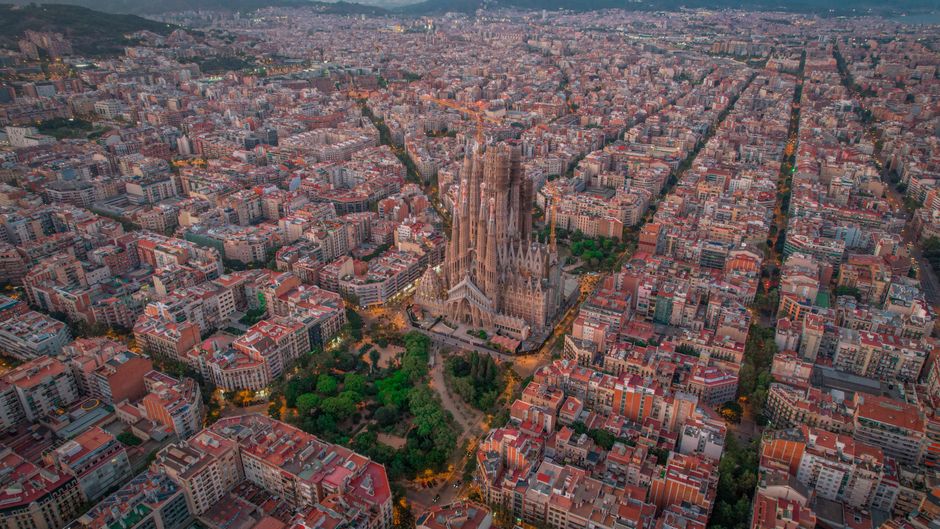
Barcelona's property market is experiencing a fascinating geographic realignment in 2026, with beachside and progressive inner-city neighbourhoods decisively outpacing the city centre in price momentum.
Data from local agents reveals that Poblenou, the revitalised industrial-turned-creative district, has seen asking prices climb 11.4% year-on-year to an average of €6,200 per square metre. The neighbourhood's combination of converted warehouse lofts, pedestrian-friendly streets, and proximity to Mediterranean breezes has magnetised buyers seeking alternatives to cramped Gothic Quarter apartments and congested Eixample blocks.
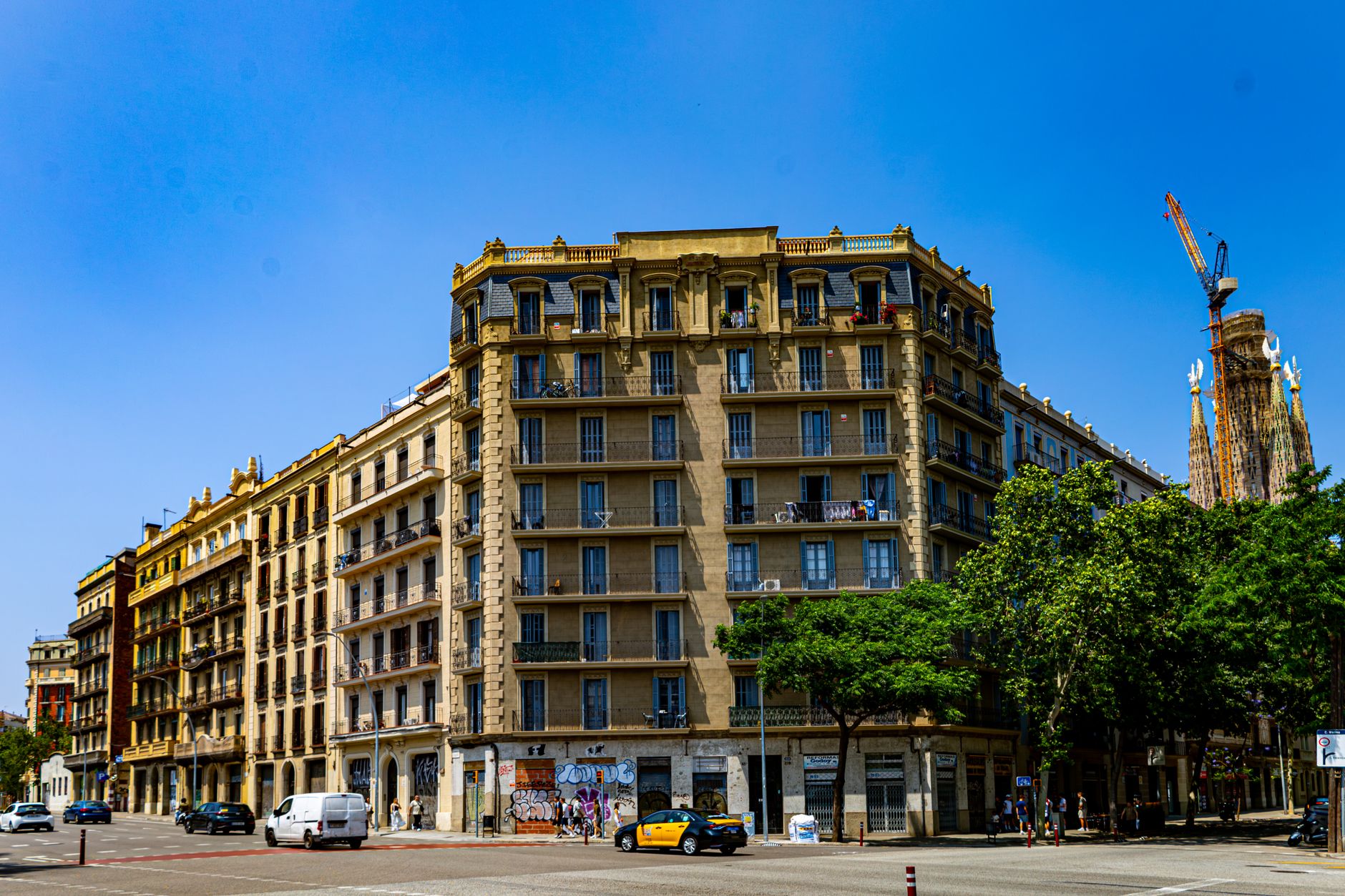
Eixample itself tells a more nuanced story. While the broader district has stabilised after 2025's correction, selective pockets are thriving. The tree-lined stretch around Passeig de Sant Joan and the quieter sections north of Avinguda Diagonal—where breathing room and light matter most to post-pandemic buyers—have recovered to €7,100 per square metre. By contrast, the heavily touristed blocks between Gran Via and Carrer de Còrsega remain sluggish, with vendors cutting asking prices by up to 8% to shift inventory.
The narrative reflects a broader Spanish trend observed across the nation: climate comfort is reshaping buyer priorities. Barcelona's cooler northern neighbourhoods—Sant Gervasi and Sarrià included—are attracting families willing to sacrifice central location for proximity to green spaces and relief from summer heat. Sarrià, traditionally village-like and peripheral, has climbed to €6,850 per square metre, a remarkable 13% jump that reflects genuine demand rather than speculation.
Conversely, the waterfront is experiencing its own bifurcation. Barceloneta, despite its beach appeal, remains challenged by noise and density concerns, hovering at €7,300 per square metre with minimal growth. But the emerging development zones further south—particularly around the Poblenou waterfront regeneration project—are capturing genuine buyer enthusiasm with fresh architecture and community infrastructure.
Market sentiment suggests the correction has mostly run its course. While asking prices are down approximately 3.2% from early 2025 across greater Barcelona, the velocity of decline is decelerating. Forward-looking agents report improved inquiry levels in spring 2026, particularly from international buyers navigating currency factors and seeking value in repositioned neighbourhoods.
For sellers, the lesson is clear: presentation, location within your neighbourhood, and honest pricing matter more than ever. The days of relying on Barcelona's generic appeal are over. Winners are those who understand hyper-local value drivers—light, walkability, temperature management, and authentic community character.
This article was compiled by AI and screened before publishing. See our editorial standards.
How does this story make you feel?
Spread the word
About this article
Published by The Daily Barcelona
Daily brief
Free, in your inbox before 7am. Weekdays.
More in Property