property
Barcelona Apartment Buying vs Renting: Eixample Analysis
Barcelona renters pay 40% more over 25 years than buyers. Eixample two-bedroom costs €420k-€480k rent vs €550k-€650k purchase with €70k-€80k deposit.
How we reported this
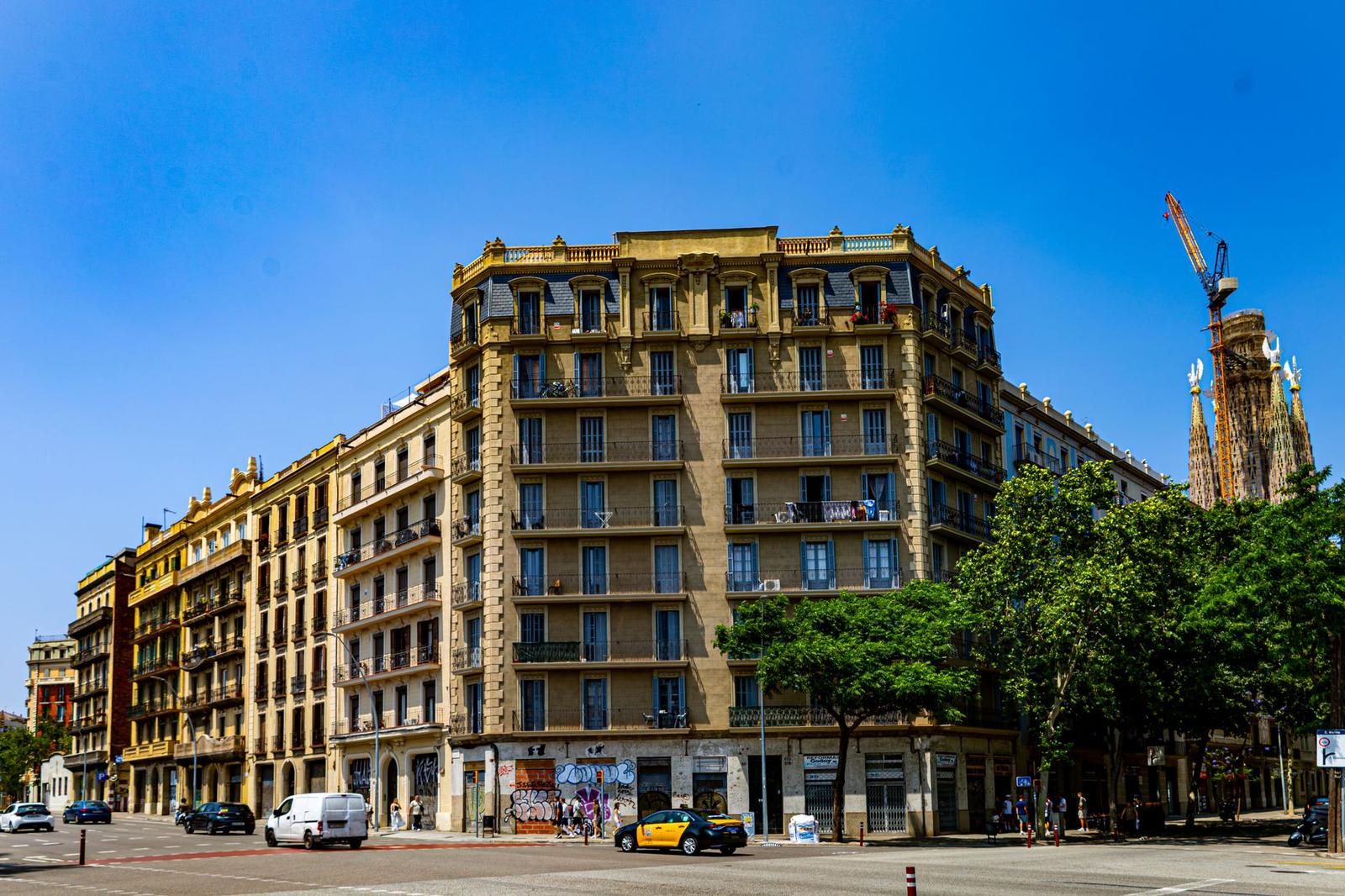
Barcelona's housing market presents a cruel paradox: buying is significantly cheaper than renting over time, yet the upfront capital required keeps most of the city's workforce trapped in the rental cycle. New financial data reveals that while long-term homeownership offers better value, the deposit barrier has created a two-tier housing system that favors the wealthy.
Consider Eixample, Barcelona's popular middle-class district. A modest two-bedroom apartment in the neighborhood currently rents for €1,400-€1,600 monthly. Over a 25-year period, that totals approximately €420,000-€480,000 in pure rental payments with nothing to show at the end. The same apartment, valued at €550,000-€650,000, becomes attainable through a mortgage requiring just €70,000-€80,000 upfront. Monthly mortgage payments hover around €2,200-€2,600 initially-higher than rent-but build equity and eventually plateau while rents climb 3-4% annually.
The mathematics favor buyers, yet renters dominate Barcelona's landscape. Across the city's popular districts-from Gràcia's bohemian charm to Sarrià's quieter residential streets-young professionals spend their 20s and 30s enriching landlords while saving for a deposit that increasingly feels unreachable. Average Barcelona salaries languish around €28,000-€32,000 annually, making the recommended 20% deposit (€110,000-€130,000 for properties in central neighborhoods) equivalent to 4-5 years of gross income without other expenses.
Banks demand that mortgage payments not exceed 35-40% of monthly income, limiting borrowing capacity. A professional earning €2,500 monthly can theoretically afford €875-€1,000 in mortgage payments-but that translates to a maximum loan of approximately €300,000. In Barcelona's inflated market, that buys little beyond the outer suburbs in Cornellà or Sant Feliu de Llobregat, far from employment centers and public transit hubs.
This structural trap explains why Barcelona and Madrid have adopted radically different housing crisis responses. Barcelona focuses on rent controls and social housing, acknowledging that demand-side interventions alone won't help renters who lack deposit capital. Madrid, by contrast, emphasizes construction and supply-a longer-term strategy that may eventually lower prices but offers no immediate relief.
Real estate agents report that 15% of rental listings vanish within 24 hours of posting-a frantic pace reflecting desperate demand. Yet those same agents rarely see first-time buyers competing for these properties, since they're still saving for deposits they may never accumulate at current wage rates.
Barcelona's affordability crisis isn't purely about price; it's about financial gatekeeping. Until deposit assistance programs or lower-barrier mortgage products emerge, the city's renters will continue paying premium rates to avoid homeownership they mathematically cannot access.
This article is general information only and is not personal financial or investment advice. Consider your own circumstances and seek licensed professional advice before making financial decisions.