wellness
Barcelona's Streets Transform Daily Walks Into Powerful Mindfulness Practice
Barcelona's streets, seafront, and parks offer something most mindfulness apps can't, and researchers say the combination of movement and awareness may be the most accessible mental-health tool most of us are ignoring.
How we reported this
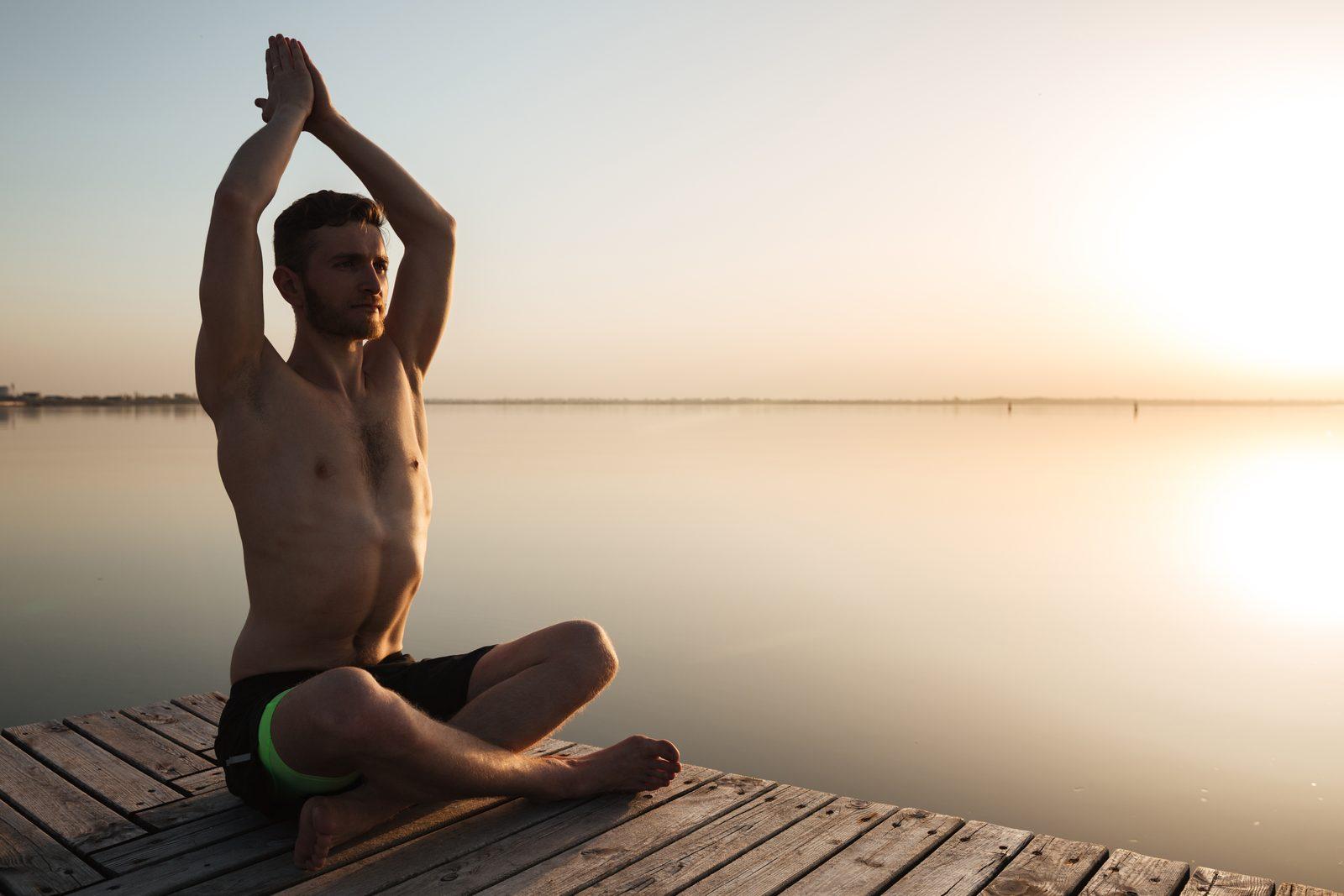
Most mornings before 8 a.m., the Passeig Marítim is already busy. Runners, dog walkers, retirees doing stretches by the sea wall, the familiar choreography of a city that takes its outdoor life seriously. But a smaller, quieter contingent is doing something different: walking slowly, deliberately, eyes soft rather than fixed on a phone screen, pausing occasionally to notice the light on the water. They are, whether they know the term or not, practising walking meditation.
The practice has been gaining traction across Europe's major cities throughout 2025 and into 2026, pushed along by a growing body of research and a general fatigue with screen-based mindfulness tools. A January 2026 report from the European Institute of Mental Health found that structured outdoor movement practices, including walking meditation, showed statistically significant reductions in self-reported stress scores among urban adults who practised for at least 20 minutes, four days a week. For a city of 1.6 million people where the average working week has lengthened and housing costs in the Eixample district alone have risen sharply over the past three years, the appeal of a zero-cost intervention is obvious.
Barcelona's Built-In Advantage
Few cities are better equipped for this kind of practice. The grid logic of Ildefons Cerdà's 19th-century Eixample plan, wide pavements, chamfered corners, interior courtyards, creates a rhythm that suits slow, intentional walking. The 70-hectare Parc de la Ciutadella in Sant Martí offers tree-lined paths where noise from Carrer de Wellington drops away within 50 metres of the gate. Montjuïc's network of trails, accessible by cable car or the escalators from Paral·lel, gives walkers a changing elevation that naturally encourages attention to breath and footing, two of the three anchors that mindfulness teachers use to structure a walking meditation session.
The Centro de Mindfulness Barcelona, based in the Gràcia neighbourhood on Carrer de Verdi, has run an eight-week Mindfulness-Based Stress Reduction (MBSR) course adapted specifically to include outdoor walking sessions since 2022. The course, which costs around €320 for the full programme, dedicates its fifth week entirely to kinhin, the Zen-derived form of slow walking meditation, conducted in the Jardins de Laribal on Montjuïc. Places fill within days of each cohort opening, according to the centre's public booking page. Separately, the municipal parks authority, Parcs i Jardins de Barcelona, has listed guided mindful-walking sessions in Parc del Laberint d'Horta as part of its summer 2026 cultural programme, with free sessions running on Saturday mornings through to late August.
How to Actually Do It
The mechanics are simpler than most people expect. Walking meditation is not about walking slowly for its own sake, though beginners often start that way. The core instruction is to anchor attention to physical sensation, the pressure of the foot against the ground, the swing of the arms, the temperature of the air at the nostrils, and to return to those sensations whenever the mind drifts, which it will, constantly. That returning is the practice, not a failure of it.
A practical entry point for Barcelona residents is the 1.3-kilometre arc of Barceloneta beach from the Barceloneta neighbourhood to the base of the W Hotel at the end of Passeig Joan de Borbó. The surface is firm near the water's edge, the sound of the Mediterranean provides a consistent auditory anchor, and the lack of traffic removes a significant source of distraction. Early morning, before 7:30 a.m. in July, means the beach is sparsely populated enough to walk without negotiating around groups.
Practitioners are generally advised to start with 15 minutes and resist the pull of headphones. The point is to notice what is already there: the grit of sand, the shift in shadow as the sun clears the Hotel Arts tower at the Vila Olímpica waterfront, the smell of salt and coffee drifting from the chiringuitos that open early on summer weekdays. Mindfulness teachers typically suggest combining three or four days of solo practice per week with at least one structured session, a class, a group walk, or an app-guided outdoor session, to build consistency.
Anyone considering starting a mindfulness practice, particularly if they are managing anxiety, depression, or chronic pain, should speak with a local GP or a registered psychologist before beginning. The Institut Català de la Salut lists accredited mental health professionals across all Barcelona districts on its public website.