How to Start a Walking Group in Your Neighbourhood
From Barceloneta to Gràcia, locals are turning weekend strolls into something bigger — and the formula is simpler than you think.
From Barceloneta to Gràcia, locals are turning weekend strolls into something bigger — and the formula is simpler than you think.
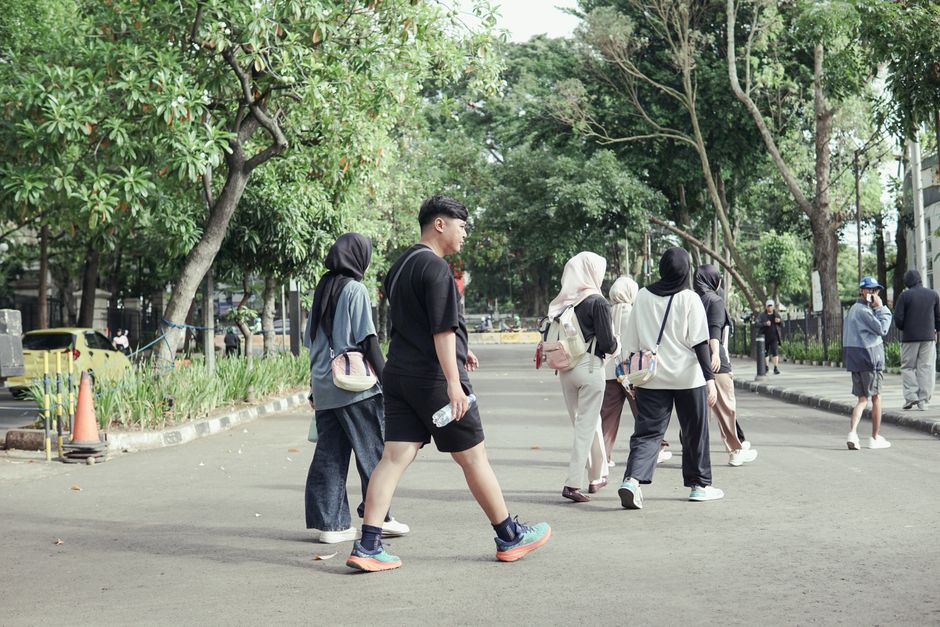
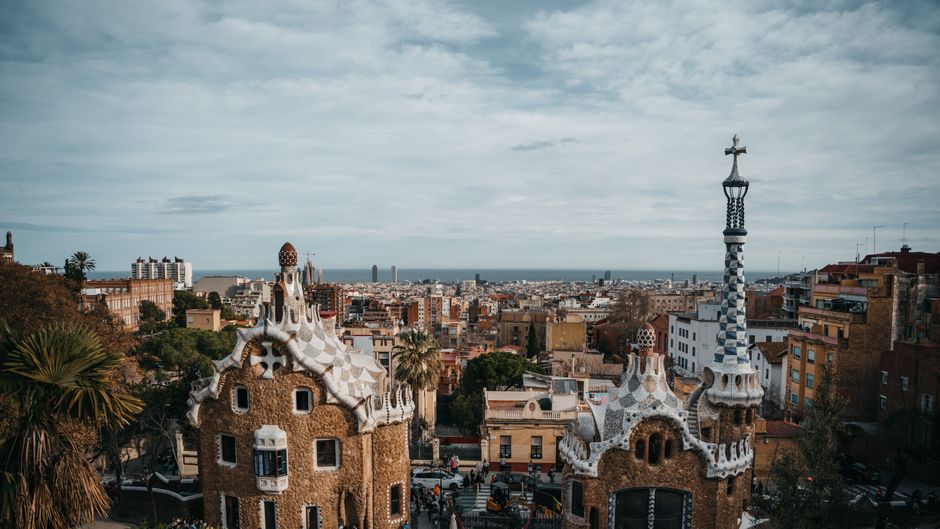
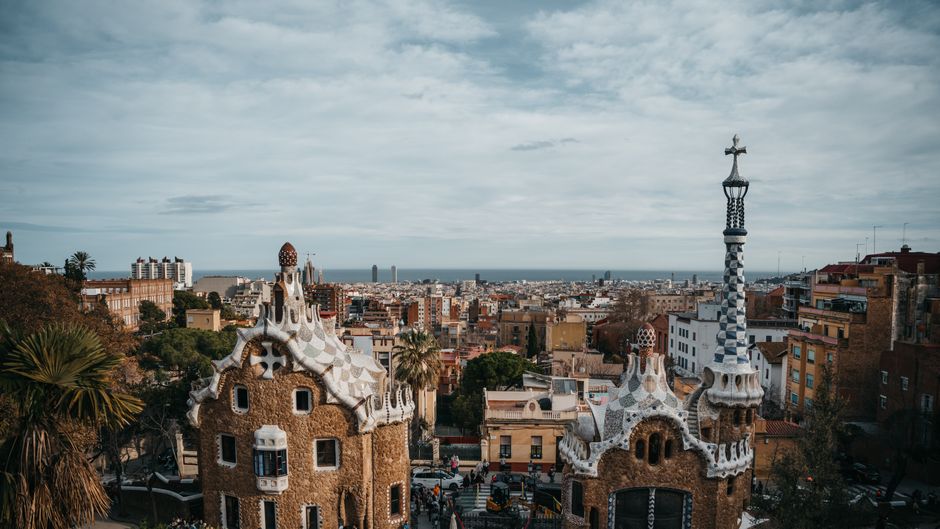
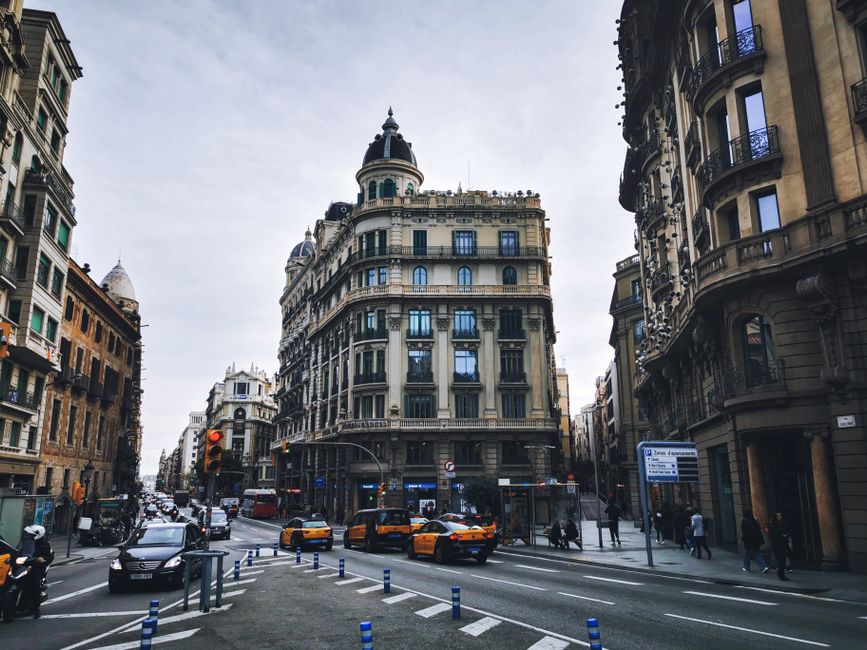
Barcelona's streets, parks and seafront promenade logged more recreational walkers last summer than at any point since the city began tracking active mobility through its Pla de Mobilitat Urbana 2024–2028. This July, with temperatures already grazing 34°C on the Passeig Marítim by mid-morning, the urge to move — but to do it smartly, in company, at a manageable pace — has never been stronger.
The timing matters for reasons beyond the heat. Across Europe, public health bodies are quietly sounding alarms about post-pandemic social isolation that never fully reversed. Spain's Ministry of Health reported in its 2025 annual survey that nearly 28 percent of adults over 45 described themselves as socially lonely — a figure that tracks closely with sedentary behaviour. Walking groups sit at the intersection of both problems, and city planners in Barcelona have started noticing.
The infrastructure is already there. Parc de la Ciutadella, in the Sant Pere i la Ribera district, has a well-marked perimeter loop of roughly 2.3 kilometres that draws dozens of informal running and walking clusters every morning before 9am. The park's north gate, on Passeig de Pujades, functions as an unofficial gathering point for older residents who do a daily circuit before the tourist foot traffic builds. Meanwhile, the Carretera de les Aigüies — a flat, shaded firebreak road running along the Collserola ridge above the Sarrià-Sant Gervasi neighbourhood — has become the preferred long-route option for groups wanting 90 minutes to two hours of uninterrupted walking with panoramic views of the city below.
The city's Barcelona Activa programme, run through the Ajuntament, already coordinates free group exercise sessions in several districts. Its Activa't als Parcs initiative schedules guided walks in Parc de la Ciutadella and Parc de la Guineueta, among others, every week between April and October. Registration is free and sessions are supervised by accredited monitors. That programme is the easiest on-ramp for anyone who wants to feel how a structured walking group actually operates before launching one independently.
Starting your own group does not require institutional backing. Pick a fixed meeting point — the fountain at Plaça del Sol in Gràcia is a reliable landmark, easily reached from the L3 metro at Fontana — and commit to one day and time. Saturday mornings at 8:30am, before the neighbourhood market crowds arrive on Carrer de l'Encarnació, give you at least an hour before the streets fill. Consistency is everything. Groups that meet on a rotating or irregular basis typically collapse within six weeks.
Keep the first route under five kilometres. A loop from Plaça del Sol through Carrer Gran de Gràcia, down to the Jardins de Laribal on Montjuïc via the Funicular, or east toward the Avinguda de Gaudí, gives new members a clear sense of distance and endpoint without intimidation. Use a free app like Wikiloc — which already hosts hundreds of Barcelona urban walking tracks uploaded by local users — to share the route in advance via a WhatsApp group. That single step removes the most common drop-off reason: uncertainty about where you're going.
Gear requirements are minimal. Comfortable trainers, a 500ml water bottle and a cap are enough for July morning walks. If your group eventually extends into the Collserola natural park, where some trails cross uneven terrain near the Torre de Collserola, light hiking shoes become advisable — but that is a conversation for week six, not week one.
Numbers matter less than regularity. Four committed walkers who show up every Saturday build more momentum than a WhatsApp group of 40 who drift in and out. Set a soft cap of 15 participants for the first month. Beyond that size, the group loses the conversational intimacy that makes it socially useful, not just physically useful. Splitting into two parallel groups at that point, running the same route 10 minutes apart, is a natural and manageable solution.
Anyone unsure about appropriate pace or distance given their personal health circumstances should consult their GP or a physiotherapist before joining or founding a group — particularly in summer heat. The CAP Gràcia health centre on Carrer de Ramón y Cajal offers free preventive health consultations for adults registered with a local doctor. Starting is straightforward. The only real decision is when.
How does this story make you feel?
Spread the word
About this article
Published by The Daily Barcelona
Daily brief
Free, in your inbox before 7am. Weekdays.
More in Wellness