Run Before Breakfast, Walk After Dinner: The Daily Habits Keeping Barcelona Fit
From Barceloneta to Montjuïc, local runners and cyclists have quietly built routines that are turning the city's streets and parks into a de facto public gym.
From Barceloneta to Montjuïc, local runners and cyclists have quietly built routines that are turning the city's streets and parks into a de facto public gym.
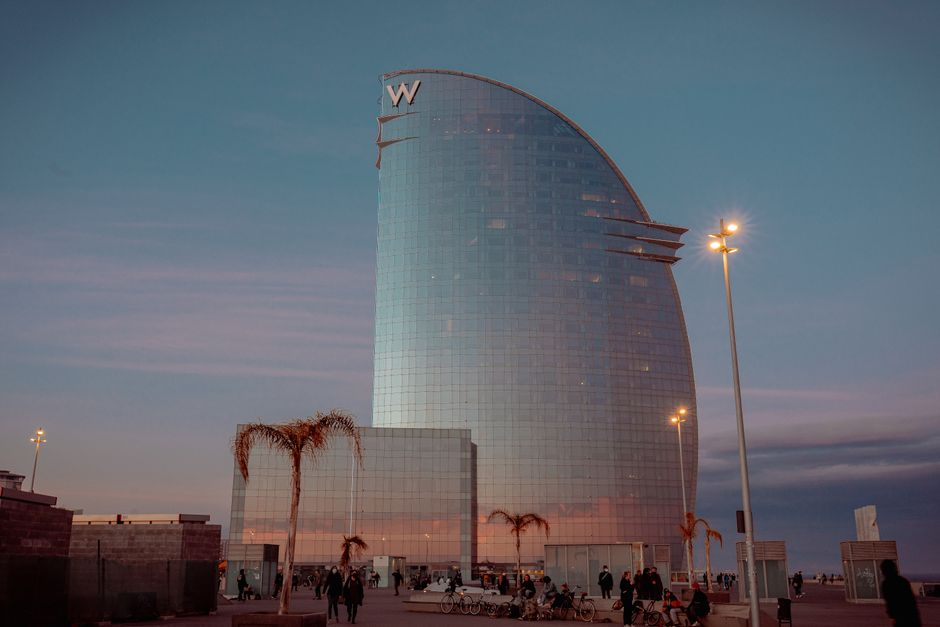
By 6:45 on a July morning, the Passeig Marítim is already busy. Regulars in worn-in trainers move in both directions along the 4.5-kilometre seafront promenade, some with earphones in, some without, most of them nodding to faces they recognise. This is not a fitness trend. For a growing number of Barcelonins, it is simply Tuesday.
With temperatures this summer regularly hitting 31°C before noon, the city's most dedicated outdoor exercisers have reorganised their days around the heat. The shift is practical and it is visible — and it points to something deeper about how urban populations adapt their physical routines when the climate stops cooperating with conventional schedules.
The Passeig Marítim stretch between Barceloneta beach and the Port Olímpic remains the most popular flat running corridor in the city. It is lit, paved, and reliably breezy off the Mediterranean even in midsummer. Serious runners, however, tend to treat it as a warm-up. Many continue north through the Parc de la Ciutadella — 17 hectares of shaded paths where the canopy drops the perceived temperature by several degrees — before looping back through the Born neighbourhood via Carrer del Comerç.
Montjuïc is the other anchor. The hill's network of roads and trails, which climbs roughly 180 metres above the port, attracts a different type: cyclists grinding up the Avinguda de Miramar in the early morning, trail runners descending the Camí dels Jardins de Laribal by 8am, and yoga groups settling onto the grass near the Fundació Joan Miró by 7:30. The city's municipal sports programme, the Pla d'Activitat Física de l'Ajuntament de Barcelona, runs free group fitness sessions on Montjuïc from June through September — a detail that still surprises many residents who have never looked up the schedule on the bcn.cat portal.
Locally, the nonprofit organisation Correm per Barcelona has tracked participation in its voluntary running registry since 2021. Its 2025 report counted more than 14,000 registered recreational runners in the city, up from roughly 9,200 in 2021 — a 52 percent increase in four years. The group estimates that a third of those runners complete at least four outings per week before 8am during the summer months.
What separates the regulars from the occasional gym-goer, according to trainers working out of facilities like the Centre Esportiu Municipal Pau Negre in Poblenou, is not intensity — it is scheduling. Midday runs are largely abandoned by experienced locals from June through August. The pattern that sticks tends to look like this: a 45-minute run or ride between 6:30am and 8am, a walking commute of at least 20 minutes to replace a metro trip, and a post-dinner stroll through neighbourhoods like Gràcia or Sant Antoni, where the streets stay busy until 11pm and the ambient social energy makes movement feel less like exercise and more like participation.
The Mediterranean diet is woven into this rhythm rather than treated separately. Many regulars report eating their largest meal at lunch, keeping dinner light, and heading out again before bed — a pattern that aligns with the city's natural social schedule rather than fighting it.
Practical entry points exist at every fitness level. The Anella Olímpica on Montjuïc has a free outdoor athletics track open to the public most mornings. The Diagonal Mar park in the 22@ district offers a 2.3-kilometre flat loop popular with beginners. Monthly guided trail runs organised through the Federació d'Entitats Excursionistes de Catalunya cost between €5 and €12 and leave from the Plaça de Catalunya on the first Saturday of each month.
The simplest advice from the people who have made this work: pick one route, run it at the same time for three weeks, and let the habit set before adding variety. The city provides the infrastructure. The rest is repetition. As always, anyone starting a new exercise programme should check in with a local medical professional before pushing the pace.
How does this story make you feel?
Spread the word
About this article
Published by The Daily Barcelona
Daily brief
Free, in your inbox before 7am. Weekdays.
More in Wellness