Walking Meditation: How to Turn Your Daily Walk Into Mindfulness
Barcelona's streets, parks and seafront offer some of Europe's best natural settings for the ancient practice making a serious comeback among urban wellness seekers.
Barcelona's streets, parks and seafront offer some of Europe's best natural settings for the ancient practice making a serious comeback among urban wellness seekers.
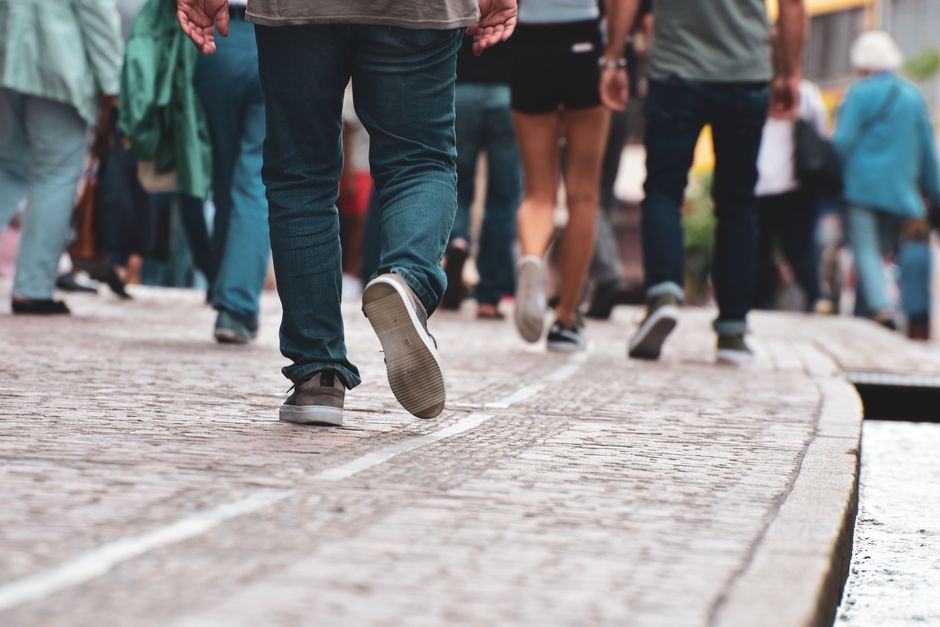
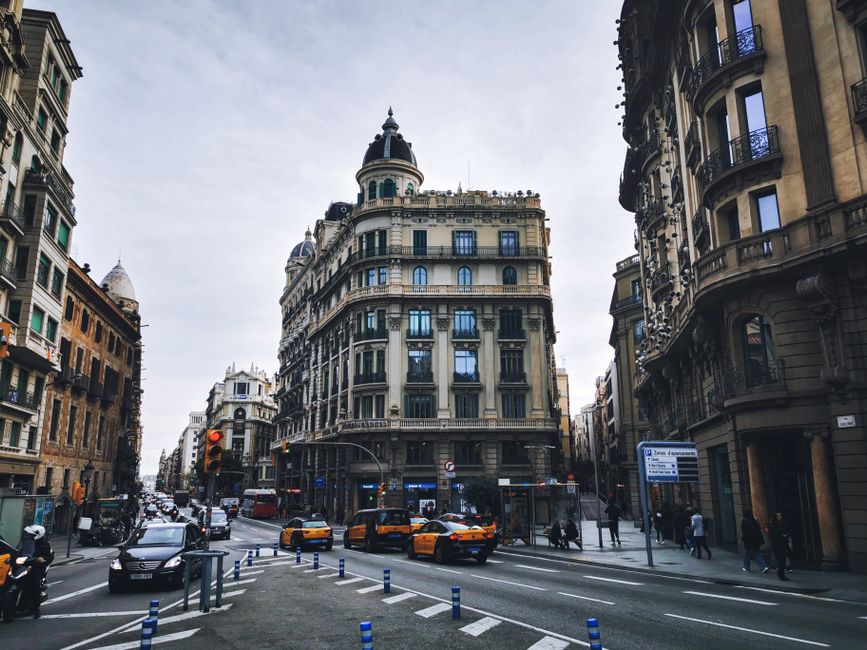
Most people in Barcelona already walk. A lot. The city's compact neighbourhoods, the pull of the seafront, the long lunch-hour stroll through the Eixample — walking is embedded in the daily rhythm here in a way that few northern European capitals can match. What fewer people do is walk with any conscious attention. That gap between automatic movement and deliberate presence is exactly where walking meditation lives, and wellness practitioners across the city say demand for guided sessions has climbed sharply since the start of 2026.
The timing matters. Urban stress indicators in Barcelona have not improved. A 2025 report from the Ajuntament de Barcelona found that 34 percent of residents described their day-to-day stress levels as moderate or high — a figure that has barely shifted since 2022. Meanwhile, gym memberships, which spiked post-pandemic, have plateaued. People are looking for something that requires no equipment, no fee and no commute to a studio. A walk to the shops, it turns out, can qualify.
Walking meditation is not complicated. The core instruction, drawn from both Buddhist vipassana tradition and the more secular Mindfulness-Based Stress Reduction programme developed at the University of Massachusetts in 1979, is to slow down enough to notice what your body is actually doing. Heel contacts ground. Weight shifts. Breath moves. The mind wanders — that is expected — and then you return attention to the physical act of moving.
What Barcelona offers is unusually rich sensory material to return to. Practitioners who run sessions in the city consistently point to the same locations. Parc de la Ciutadella, with its 17 hectares of plane trees and gravel paths cutting through the Sant Pere neighbourhood, gives walkers a circuit long enough to settle the nervous system without requiring a bus journey to reach it. The park opens at 10am on weekdays and earlier on weekends; the northern path along the Passeig dels Til·lers, shaded even in July, is reliably quieter than the central fountain area by 8am. Barceloneta beach is the other anchor. The 1.2-kilometre stretch of the Passeig Marítim between the W Hotel and the Barceloneta neighbourhood beach entrance runs almost dead straight, which removes navigational decisions from the mind and lets attention drop into the body.
The Centro de Mindfulness Barcelona, based near Plaça de la Universitat, runs an eight-week Mindfulness-Based Stress Reduction course that includes a formal walking meditation module. Fees run around €320 for the full programme. On a more accessible budget, the city's network of public yoga and wellness activations under the Barcelona Activa framework has incorporated outdoor mindful movement sessions into its summer 2026 calendar, several of them free and held in Parc del Laberint d'Horta on Saturday mornings through August.
The practical challenge is not learning the technique — it is remembering to use it on a Tuesday morning when you are already running three minutes late for the Línia 4 metro at Barceloneta station. Instructors working in the MBSR tradition suggest starting with a single five-minute segment rather than attempting to transform an entire commute. Choose one fixed point: the walk from your front door to the nearest corner, or the final block before you reach your office on Carrer d'Aragó. Same route, same time, every day. Repetition builds the habit faster than sporadic longer sessions.
Montjuïc offers another option for those who can shift a morning. The network of paths above Avinguda del Paral·lel, particularly the section climbing through the Jardins de Laribal toward the Fundació Joan Miró, combines elevation change with enough natural material — pine scent, city views, the specific creak of gravel under foot — to anchor attention without manufactured stimulus. The walk from the Paral·lel funicular station to the castle takes roughly 35 minutes at a slow, deliberate pace.
None of this replaces professional support for anyone managing clinical anxiety or depression; a conversation with a metge de família at your nearest CAP health centre is the right first step if that is the context. But for the broader population looking for a low-cost, evidence-supported way to reduce daily mental noise, the infrastructure is already here. The city is literally built for it. The only adjustment is what you pay attention to while crossing it.
How does this story make you feel?
Spread the word
About this article
Published by The Daily Barcelona
Daily brief
Free, in your inbox before 7am. Weekdays.
More in Wellness