More families in Barcelona are ditching the car keys and picking up helmets as the city expands its web of protected cycling routes, offering safe spaces for riders of all ages to explore local parks and neighbourhoods. A stretch of the popular Carrer de la Marina greenway this weekend saw a steady procession of parents balancing toddler seats, packs of tweens in matching jerseys, and older cyclists out for an easy morning spin.
The boom in cycling comes as summer brings crowds back to beaches and parks, with traffic in central Barcelona surging since schools closed on June 21. Safety on the city’s roads is a top concern, especially for parents. Viu Bici, a Barcelona cycling advocacy group, recorded a 15% rise in first-time family riders at their beginner clinics this year. Many cite worries about busy intersections and delivery scooters as the reason they’ve held off until recent infrastructure changes.
Pedalling Through Parks and Waterfronts
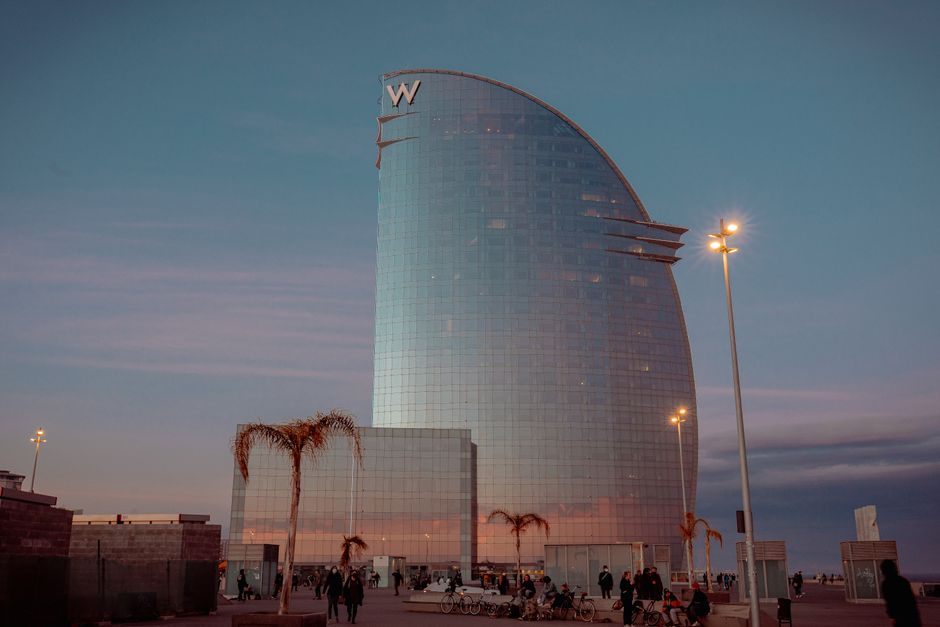
For those just starting out or teaching a child, Parc de la Ciutadella stands out as a gateway. Its wide, flat paths loop past playgrounds, fountains, and shady lawns, forming a three-kilometre circuit uninterrupted by car traffic. The city’s park rangers report Saturdays see up to 650 cyclists, many bringing bikes rented from the Born Bikes shop on Carrer de la Marquesa. Along the waterfront, the new separated cycle path running from the W Hotel at Barceloneta’s southern tip all the way to Port Olímpic has made coast-hugging rides safer—and more scenic. The route stays clear of speeding cars and is dotted with chiringuitos (beach bars) for well-earned breaks.
Another accessible route: the cycle lanes threading through Montjuïc. While the hill has some steeper segments, the trails circling the Olympic Stadium and Jardins de Joan Brossa draw both families and beginners, thanks to security patrols and clear signage. Bicing, Barcelona’s public bike-sharing system, reports a 30% jump in casual ride subscriptions in Ciutat Vella and Sants-Montjuïc districts since April, pointing to broader interest in easy outings rather than speed or distance.
Riding by the Numbers
Barcelona’s Ajuntament (city council) has invested more than €35 million in expanding dedicated cycle lanes since 2023. As of June 2026, the city boasts a total of 272 kilometres of segregated bike paths, up from just 189 kilometres in 2020. Reported cycling accidents are trending downward, with the Guàrdia Urbana logging 18% fewer incidents involving children or families last year compared to 2024. Bicing’s one-day family passes start at €5.25, making spontaneous explorations affordable for residents and visitors alike.
Cycling advocates credit this progress to projects like Superilles (Superblocks), which reroute traffic and prioritise green mobility in neighbourhoods such as Sant Antoni and Poblenou. Families say these zones feel noticeably calmer: weekday morning counts at the Superilla on Carrer Consell de Cent show as many as 190 cyclists—half under age 16—using the new lanes per hour during peak school run times.
For beginners, the city’s sports department recommends starting with short, circular routes like Parc de la Ciutadella or Montjuïc’s ring, then linking up with longer stretches such as the Eixample’s leafy Avinguda Diagonal. Maps and safety tips are available from Centre d’Atenció a la Mobilitat (C/ Lepant 142) and online at barcelona.cat/bicicleta. Helmets are required for riders under 16 and strongly advised for all ages when leaving the parks. Early mornings or early evenings are best to avoid heat and crowds. For those without bikes, rental shops in El Born and at Passeig Marítim keep family and children’s bikes in stock, with rates from €8 a half day. With the right routes and a bit of planning, Barcelona’s gentle paths open up a breezy, worry-free adventure for all ages.