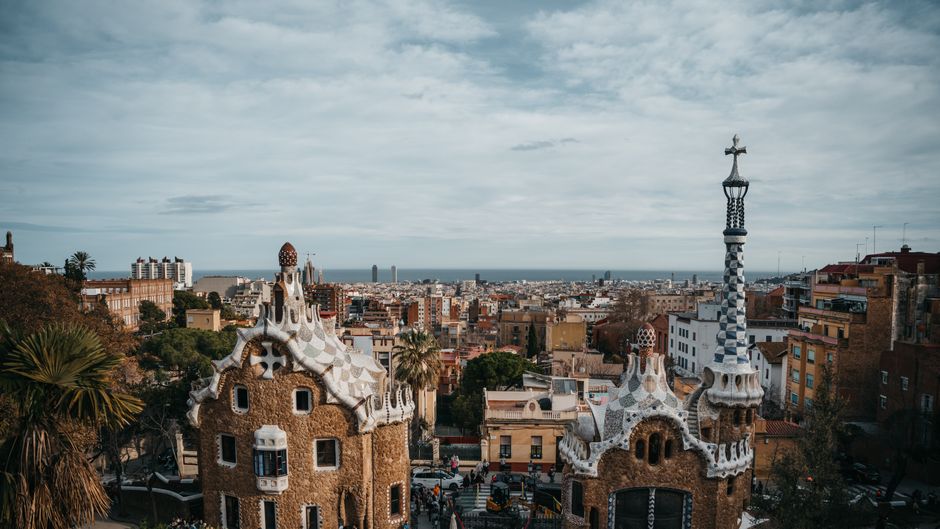
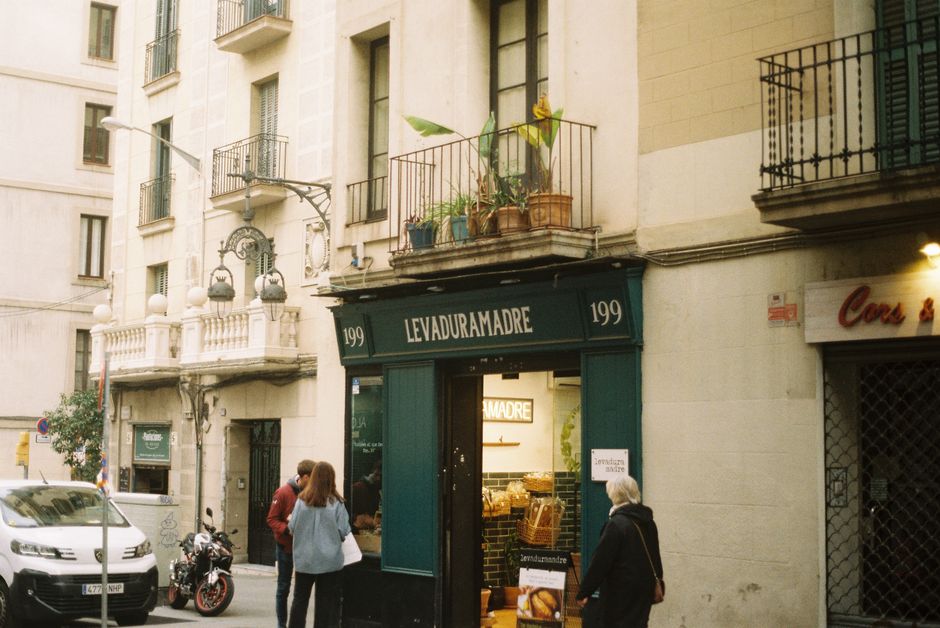
At a wellness circle in Gràcia last month, a group of Barcelona residents gathered to discuss something rarely celebrated in a city known for its vibrant nightlife: the power of a good night's sleep. What emerged wasn't prescriptive advice, but honest stories of transformation—and practical strategies that locals are using to reset their relationship with rest.
Maria, who works irregular hours at the Port Vell area, credits her shift toward consistent sleep schedules with improving her focus during morning runs around Barceloneta beach. She's one of many Barcelonans discovering that sleep quality directly impacts athletic recovery and mental resilience. Research shows that 7–9 hours nightly enhances immune function by up to 30%, yet nearly 40% of Spanish urban workers report insufficient rest.
The Mediterranean lifestyle—traditionally associated with afternoon siestas and leisurely evenings—has collided with modern work culture, leaving many residents caught between tradition and pace. A local sleep coach working from an office near Passeig de Sant Joan notes that clients increasingly struggle with phone use before bed, despite Barcelona's culture of terrace dining and face-to-face connection.
Small shifts yield surprising results. Residents using the parks strategically—morning walks through Parc de la Ciutadella to sync circadian rhythms with natural light, evening strolls through Montjuïc's quieter paths to wind down—report deeper sleep within weeks. One Eixample-based marketing professional extended her evening routine by just 30 minutes, dimming lights and avoiding screens after 22:00, and found herself sleeping through the night for the first time in three years.
Local gyms and wellness centres, from studios in Poblenou to fitness hubs near Universitat, increasingly frame sleep as foundational to their programming. Instructors emphasize that Mediterranean-style evening meals—lighter, earlier, and social—naturally support better sleep architecture than late-night eating.
The cultural shift matters. Barcelona's neighbourhood associations and community centres are hosting informal sleep wellness talks, recognizing that rest isn't indulgent—it's preventative. When locals prioritize sleep, they show up differently: more present during family dinners, sharper at work, and more resilient during the city's hot summers when heat disrupts rest cycles.
These aren't dramatic interventions. They're neighbours noticing that consistency, environment, and intentional wind-down rituals—the building blocks of Mediterranean living—can reclaim what modern life has stolen: genuine rest.
This article was compiled by AI from the sources linked above and screened before publishing. See our editorial standards.