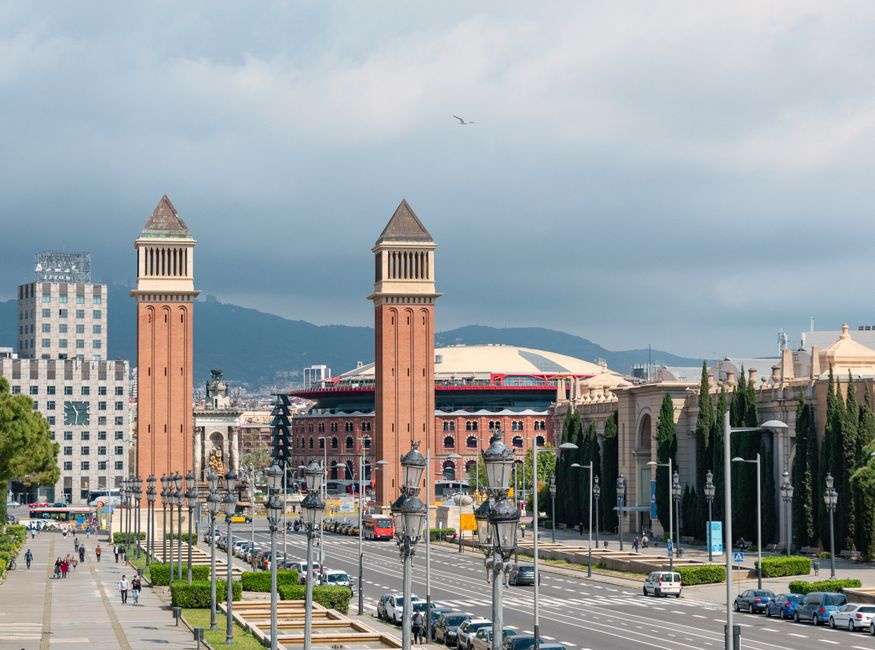
Walk along Carrer de Còrsega on any Tuesday evening and you'll spot runners heading towards Parc de la Ciutadella. But increasingly, Barcelona residents are trading high-intensity fitness for something slower, deeper. In studios tucked behind modernist facades and in community spaces across Gràcia, Eixample, and Barceloneta, a quiet wellness revolution is taking root—one built on local stories of genuine transformation.
The shift reflects broader patterns. According to a 2025 wellness survey by Barcelona's Institut Municipal de Salut Pública, 34% of city residents now prioritise stress management as their primary health goal, up from 19% in 2019. Yoga and meditation studios have grown by roughly 40% across Barcelona's central districts since 2022, with average class fees ranging from €12 to €18 per session, making holistic practice increasingly accessible.
In Gràcia, community centres like the Centre Cívic de la Virreina have become hubs for free or low-cost meditation circles, attracting working parents, retirees, and shift workers seeking grounded alternatives to expensive wellness trends. These spaces prioritise inclusivity: classes offered in Catalan, Spanish, and English; sessions adapted for mobility differences; sliding-scale pricing that reflects local economic reality.
What distinguishes Barcelona's wellness movement is its integration with Mediterranean lifestyle values. Instructors frequently weave mindfulness into discussions of seasonal eating, neighbourhood walking routes through Montjuïc, and the coastal rhythm of Barcelona's geography. This isn't wellness imported wholesale from global trends—it's locally rooted.
The transformation stories emerging are notably unglamorous. People describe managing chronic stress accumulated over demanding careers; reconnecting with their bodies after sedentary office work; rebuilding relationships with sleep and appetite through consistent practice. One neighbourhood yoga initiative in Barceloneta reports that 62% of regular participants experienced measurable reductions in anxiety-related symptoms within twelve weeks, tracked informally through participant feedback rather than clinical metrics.
Long-term practitioners note something unexpected: yoga and meditation haven't replaced other aspects of Barcelona's active culture. Instead, they've deepened engagement with it. Regular meditators report increased enjoyment of morning runs along the beach, more mindful appreciation of meals at local markets, greater presence during social time in neighbourhood plazas.
As Barcelona continues evolving—balancing tourism, urban density, and quality of life—these wellness communities offer something increasingly valuable: structured spaces for slowing down, connecting with others, and building resilience from within. The transformation isn't miraculous or instant. It's local, incremental, and deeply human.
For personal health concerns or guidance on starting a practice, consult with a local medical professional or qualified wellness instructor in your neighbourhood.
This article was compiled by AI from the sources linked above and screened before publishing. See our editorial standards.