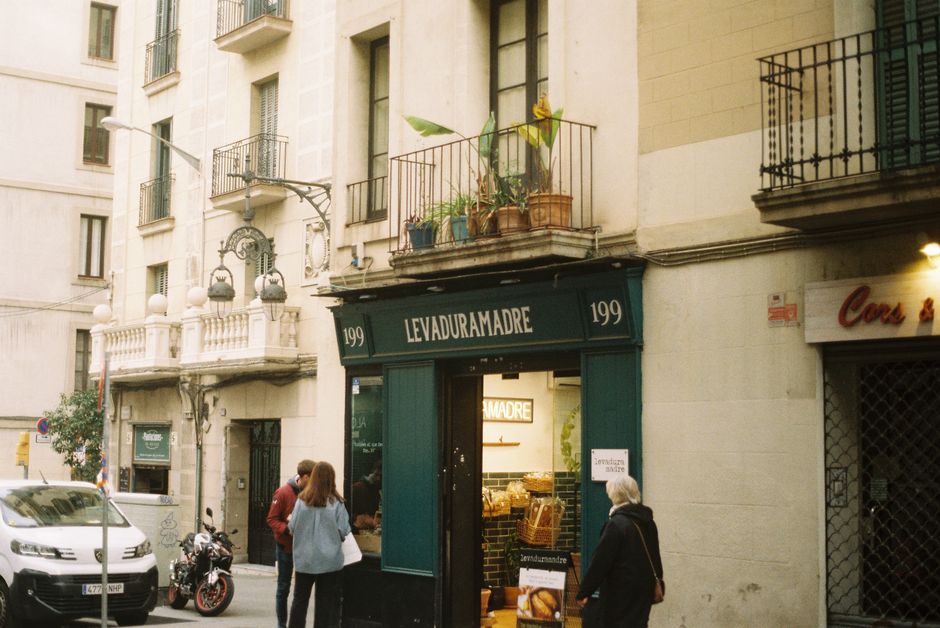
How Barcelona's everyday routines are keeping preventive health on track
From morning swims at Barceloneta to annual check-ups at neighbourhood clinics, locals share the simple habits that catch problems early.
From morning swims at Barceloneta to annual check-ups at neighbourhood clinics, locals share the simple habits that catch problems early.
Walk through Barceloneta on any summer morning and you'll spot a pattern: swimmers entering the water before 8am, many of them the same faces month after month. These aren't elite athletes—they're Barcelona residents who've made preventive health non-negotiable. Regular physical activity, it turns out, is just the beginning.
The Mediterranean lifestyle has long been celebrated for its health benefits, but what's less discussed is how Barcelona's neighbourhoods have quietly become hubs for preventive screening culture. The Catalan Health Institute reports that residents in districts like Gràcia and Sant Antoni show higher uptake rates for preventive check-ups than the national average, largely due to proximity and community knowledge-sharing.
Take the Clínic Barcelona neighbourhood: residents here often schedule annual cardiovascular assessments and metabolic screenings as casually as booking a haircut. The normalisation of preventive care starts with accessibility—the health centres scattered across Passeig de Sant Joan and around Parc de la Ciutadella make it harder to postpone appointments. Many locals also pair these screenings with lifestyle tracking: monitoring blood pressure at home, logging activity via neighbourhood running groups along the Montjuïc routes, and maintaining consistent meal patterns rooted in Mediterranean principles.
What distinguishes successful local adopters isn't extraordinary discipline—it's routine stacking. A woman from Eixample might combine her weekly Tuesday morning run through Parc de la Ciutadella with a quarterly health check scheduled for the same day. A resident of Poblenou integrates market visits on Saturday mornings (checking fresh produce quality becomes a proxy for nutritional awareness) with annual bloodwork appointments. Small habits compound.
The investment is modest. Basic preventive screenings through public health services cost between €40–€150 annually. Private options at facilities near Passeig de Gràcia range higher, but the principle remains the same: early detection saves both money and health crises later.
Barcelona's year-round climate also plays a role. Unlike cities where outdoor activity stops seasonally, locals here maintain consistent physical routines—cycling on Montjuïc, swimming, or walking—which naturally supports cardiovascular health monitoring and weight stability, two pillars of preventive wellness.
The takeaway from local success stories isn't revolutionary: preventive health thrives when it's embedded into daily life rather than treated as a separate obligation. Whether you're new to Barcelona or established here, start by identifying one neighbourhood health centre near your regular routes, schedule one screening, then anchor it to an existing habit. The Mediterranean coast will still be there for your morning swim—and you'll do it knowing your baseline health metrics are current.
This article was compiled by AI from the sources linked above and screened before publishing. See our editorial standards.
How does this story make you feel?
Spread the word
About this article
Published by The Daily Barcelona
Daily brief
Free, in your inbox before 7am. Weekdays.
More in Wellness