The Rise of Outdoor Boot Camps: What to Expect
Barcelona's fitness community is embracing high-intensity group training in parks and beaches—here's what newcomers need to know.
Barcelona's fitness community is embracing high-intensity group training in parks and beaches—here's what newcomers need to know.
On any given Tuesday morning in Parc de la Ciutadella, you'll spot clusters of people in athletic wear moving through burpees, sprints, and resistance drills under the watchful eye of a trainer. This scene has become routine across Barcelona's neighbourhoods over the past three years, as outdoor boot camps have shifted from niche fitness trend to mainstream community fixture.
The appeal is straightforward: group accountability, structured training, and the Mediterranean air. Unlike indoor gyms, boot camps leverage Barcelona's year-round climate and public spaces—from the tree-lined paths of Montjuïc to the open stretches of Barceloneta beach. According to local fitness coordinators, attendance at organized outdoor group sessions has grown by roughly 40 percent since 2023, with classes ranging from €8 to €15 per session or €45 to €80 monthly.
What exactly happens in a typical session? Most Barcelona boot camps run 45 to 60 minutes, combining cardiovascular bursts with bodyweight exercises and minimal equipment. Trainers typically incorporate circuits using benches, resistance bands, or natural terrain—think hill sprints near Montjuïc or sand work along Barceloneta. The intensity scales; beginners aren't expected to match advanced participants, and modifications are standard practice.
The social dimension resonates particularly well here. Barcelona's Mediterranean fitness culture already emphasizes outdoor activity and community gathering. Boot camps amplify this: you're training alongside neighbours, building friendships, and creating accountability networks that gym memberships rarely foster. Many participants report that group motivation matters more than the workout itself.
Before joining, expect to scout locations and trainers carefully. Not all outdoor sessions are formally organized; some are freelance operations with varying certifications. Established groups through local sports associations or registered fitness platforms typically offer better structure and insurance clarity. Ask about trainer credentials, class size, and whether sessions adapt for different fitness levels.
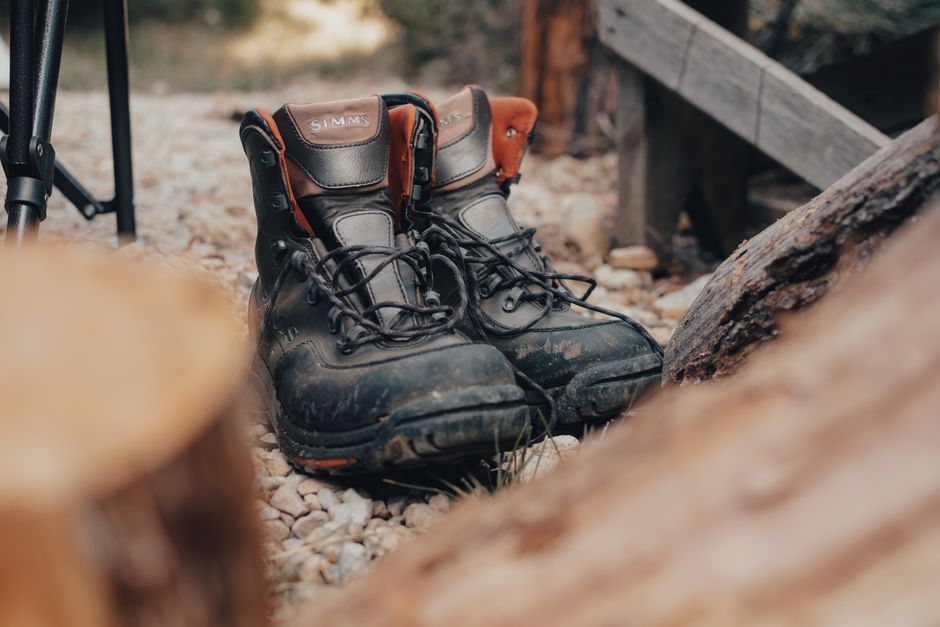
Practical considerations matter too. Bring water—Barcelona's summer heat is real—and choose appropriate footwear for whatever terrain you'll cover. Most boot camps operate year-round, but attendance dips slightly in August when many locals travel. Early morning sessions (6:30 to 8:00 a.m.) and evening classes (18:30 to 19:30) fill quickly, particularly spring through autumn.
The trend reflects a broader shift toward accessible, community-driven fitness. Rather than isolating yourself in a climate-controlled studio, you're exercising in public parks, breathing fresh air, and participating in something genuinely social. For Barcelona's fitness landscape, that's proving to be exactly what people want.
This article was compiled by AI from the sources linked above and screened before publishing. See our editorial standards.
How does this story make you feel?
Spread the word
About this article
Published by The Daily Barcelona
Daily brief
Free, in your inbox before 7am. Weekdays.
More in Wellness