At 7 a.m. on a Tuesday morning, nearly forty residents gather near the tree-lined pathways of Parc de la Ciutadella, moving through a gentle sequence of tai chi movements. For most, the only cost is their commitment to show up. This scene has become emblematic of Barcelona's quietly ambitious approach to senior fitness: making structured, professional exercise accessible to all older adults, regardless of income.
The Barcelona Municipal Sports Council has significantly expanded its free programming for residents aged 60 and above over the past three years. What began as a handful of sessions now includes over 150 weekly classes across neighbourhoods from Gràcia to Sants, Sarrià to Sant Martí. Walking groups, aquatic fitness, functional strength training, and Mediterranean-inspired movement classes form the backbone of a system designed to address both the physical and social isolation many seniors face.
The rationale extends beyond altruism. Municipal health data suggests that participants in regular group exercise reduce doctor visits by an average of 23 per cent annually, while depression and anxiety symptoms decline measurably. For Barcelona's ageing population—nearly one in five residents is over 65—investing in preventive fitness represents significant long-term savings for the city's healthcare infrastructure.
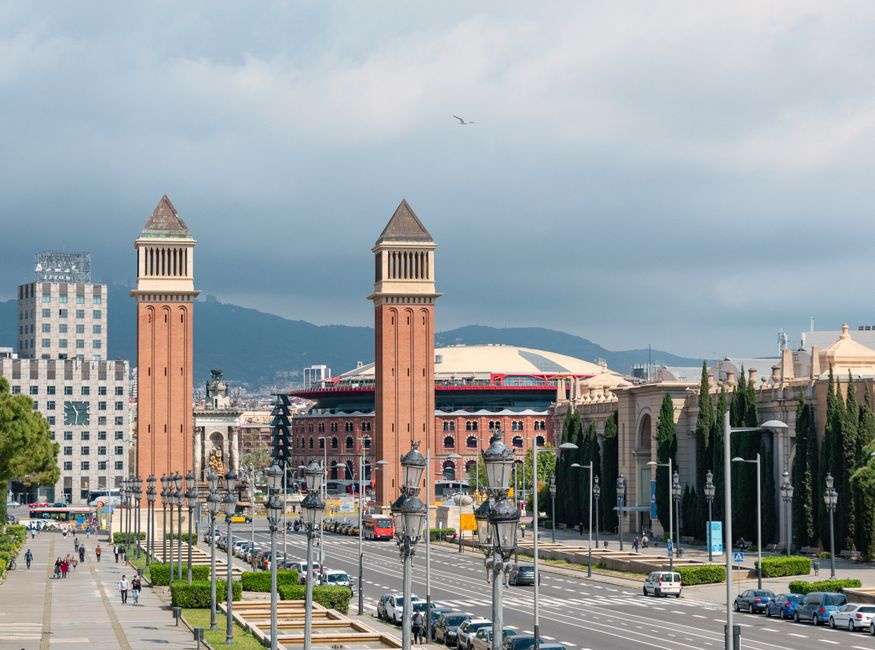
Sessions run across accessible venues: municipal sports centres on Carrer de Còrsega, waterfront locations near Barceloneta Beach, and quiet corners of Montjuïc where cyclists and walkers coexist. The council partners with local physiotherapists and certified instructors who volunteer or work on modest municipal contracts, ensuring professional quality without commercial pricing.
Participation requires minimal bureaucracy. Registration happens online or in person at any neighbourhood civic centre, with sessions typically lasting 45 to 60 minutes. Classes accommodate varying fitness levels, from gentle mobility work to more vigorous cardiovascular options. Many groups organize informal social activities—coffee meetups, weekend walks toward Bunkers del Carmel—that extend benefits beyond the structured hour.
What distinguishes Barcelona's model is its integration with the city's existing outdoor culture. Rather than confining seniors to gymnasium interiors, programming capitalizes on Mediterranean weather and green spaces. A walking group might meet at Plaça Reial one week, then venture toward Montjuïc's gardens the next, combining exercise with neighbourhood exploration.
The programme represents a philosophical shift: treating senior fitness not as specialized medicine, but as fundamental urban infrastructure. As Barcelona's population continues ageing, these free, community-rooted classes may prove as essential to public health as the city's celebrated cycling networks.
To find your nearest class, visit the Barcelona Sports Council website or visit your local civic centre.
This article was compiled by AI from the sources linked above and screened before publishing. See our editorial standards.