Sleep Like a Local: The Practical Habits Barcelona Residents Swear By
From siesta culture to Mediterranean timing, we reveal the evidence-backed routines that help Barcelonians rest better.
From siesta culture to Mediterranean timing, we reveal the evidence-backed routines that help Barcelonians rest better.
Barcelona's relationship with rest is more sophisticated than most cities realise. While the traditional siesta has evolved, locals have adapted time-honoured practices into modern sleep habits—and science backs what they're doing.
The shift is clear across neighbourhoods like Gràcia and Sant Antoni, where residents increasingly schedule their day around natural energy rhythms rather than fighting them. Many have adopted a flexible late-morning break (even just 20–30 minutes) rather than the stereotypical two-hour siesta, aligning with emerging research showing that brief afternoon pauses boost evening sleep quality. This is especially practical for those juggling work and Barcelona's vibrant social calendar.
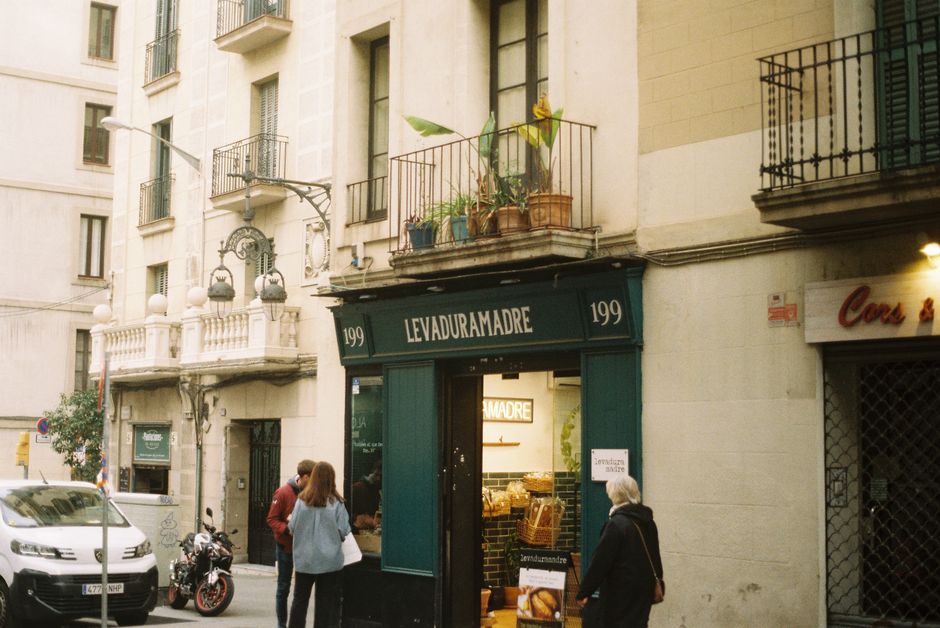
Timing meals with daylight has become another anchor habit. Barcelona's Mediterranean diet culture—built on fresh fish from the nearby markets and seasonal vegetables—naturally supports circadian rhythm regulation. The city's major markets, including La Boqueria and the neighbourhood shops along Carrer de Còrsega, encourage residents to eat their largest meal at lunch (typically 13:00–15:00), leaving dinner lighter and earlier. Research from the University of Barcelona's sleep medicine team has noted that residents eating in this pattern report better sleep onset and fewer night-time disruptions.
Movement timing matters too. The 7 km of Barceloneta beach attracts early risers, and joggers often report that morning runs (before the heat peaks at 11:00) improve sleep depth. Similarly, evening walks through Parc de la Ciutadella or along the seafront promenade at sunset have become embedded in local wellness routines—the combination of gentle movement and natural light exposure signals the body to prepare for rest.
Temperature control reflects local ingenuity. Many Barcelona homes lack air conditioning (a reality that still affects significant portions of the city), so residents keep shutters closed during the day and open windows after sunset when Mediterranean breezes cool the apartment. This passive temperature regulation—combined with lightweight cotton bedding sourced from local shops—creates optimal sleep conditions even during warm June and July nights.
Perhaps most importantly, Barcelona's café culture has adapted. While coffee remains central to mornings, locals increasingly respect a 15:00 cutoff, knowing that summer's long daylight hours amplify caffeine's effects. This boundary, combined with the city's natural rhythm of quieter evenings, allows cortisol to drop naturally before bed.
These aren't exotic biohacks. They're practical daily choices rooted in Barcelona's geography and culture—and they're working. For visitors or newcomers, adopting even one habit can make a measurable difference to sleep quality.
This article was compiled by AI from the sources linked above and screened before publishing. See our editorial standards.
How does this story make you feel?
Spread the word
About this article
Published by The Daily Barcelona
Daily brief
Free, in your inbox before 7am. Weekdays.
More in Wellness