Walk down Passeig de Sant Joan on any weekday evening, and you'll notice something that would have seemed unlikely a decade ago: queues outside boutique fitness studios. Barcelona's gym culture, long overshadowed by the city's legendary outdoor fitness culture—from Barceloneta beach runners to Montjuïc cyclists—is experiencing unexpected growth.
The shift reflects a broader trend across Spanish cities. According to recent industry data, Barcelona now hosts over 300 registered fitness facilities, up 40% since 2020. What's driving this change? Partly practical: June temperatures regularly exceed 30°C, pushing morning joggers indoors by mid-summer. Partly cultural: younger professionals increasingly favour structured, community-driven fitness over solitary outdoor routines.
The trend clusters heavily in central neighbourhoods. L'Eixample hosts the highest concentration of studios, particularly around Carrer de Còrsega and Avinguda Diagonal, where boutique concepts—from high-intensity interval training to yoga-pilates hybrids—command premium pricing (€15–20 per class, or €80–120 monthly memberships). Gràcia and Sant Antoni have seen smaller, neighbourhood-focused gyms flourish, often positioning themselves as alternatives to corporate chains.
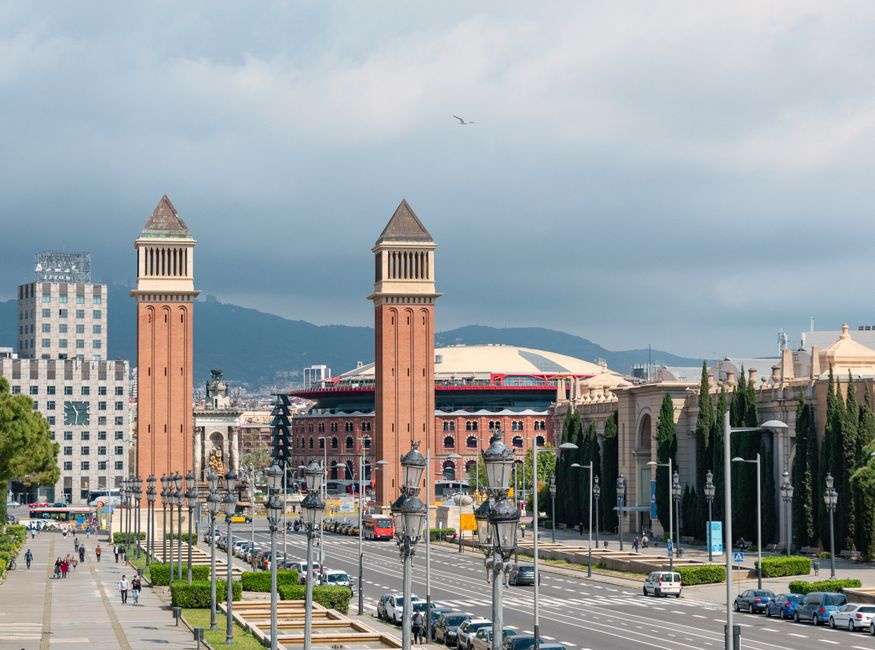
Traditional gyms remain dominant. Large facilities near Plaça Espanya and along Avinguda Parallel continue attracting members with competitive pricing (€30–50 monthly) and equipment variety. But the real momentum belongs to specialists. Functional fitness studios, spin clubs, and paddleboard yoga experiences—capitalising on Barcelona's Mediterranean setting—are capturing younger demographics willing to pay more for niche experiences.
This isn't replacing Barcelona's outdoor fitness identity. Parc de la Ciutadella remains packed with morning swimmers and runners. Barceloneta beach continues its summer ritual of sunrise fitness enthusiasts. Rather, indoor studios are complementing these traditions, offering flexibility for those juggling office hours, family commitments, and climate challenges.
Local fitness professionals attribute part of the trend to changing attitudes toward wellness. The rise mirrors broader European patterns: gym membership is increasingly viewed as preventative healthcare rather than vanity pursuit. Barcelona's Mediterranean diet culture—historically the city's wellness cornerstone—is now being paired with structured fitness routines.
Whether this indoor boom will sustain once summer passes remains uncertain. Industry observers suggest it will: remote work flexibility means off-peak membership has grown 35% year-on-year, suggesting people aren't just escaping heat—they're building consistent habits. For Barcelona, that signals a fundamental shift. The city isn't abandoning its outdoor DNA. It's simply adding another layer to how it stays healthy.
This article was compiled by AI from the sources linked above and screened before publishing. See our editorial standards.