Walking through Parc de la Ciutadella on any given morning, you'll spot runners, cyclists, and tai chi practitioners. But behind the visible wellness culture, a quieter revolution is unfolding in clinics across Barcelona's neighbourhoods. People are catching health issues early—sometimes decades earlier than previous generations—and the ripple effects are reshaping how we think about prevention.
In Gràcia, where residents pride themselves on neighbourhood solidarity, local health centres like the Centre de Salut Gràcia have reported a 34% increase in preventive screening uptake over the past three years. The reasons are straightforward: accessible appointments, affordable packages ranging from €150 to €450 for comprehensive check-ups, and community word-of-mouth. Spanish National Health System (SNS) coverage often handles basics, but many residents invest in private screenings for faster, more detailed results.
The transformation stories are subtle but profound. People discovering early-stage hypertension before symptoms emerge. Others identifying metabolic markers that shift their entire approach to the Mediterranean diet—not as romantic tradition, but as precise medicine. Some uncover thyroid irregularities or cholesterol patterns that would have silently progressed for years.
What's changed isn't just technology. It's accessibility and normalisation. Clinics in Sant Antoni, near the iconic market, now offer walking-in blood work and cardiovascular assessments. Montjuïc's sports medicine facilities coordinate with preventive health teams, creating pathways where cyclists and runners transition from fitness tracking into formal health surveillance. Even Barceloneta, despite its seasonal tourist influx, has established year-round screening programmes acknowledging that beach culture and genuine prevention aren't opposing forces.
Dr-led platforms and apps have democratised some screening—home cholesterol tests, blood pressure monitoring—but they've also increased demand for professional interpretation. Many locals report that their transformation began not with dramatic symptoms, but with a routine check recommended by a friend, a family member's health scare, or simply crossing age forty and deciding to take stock.
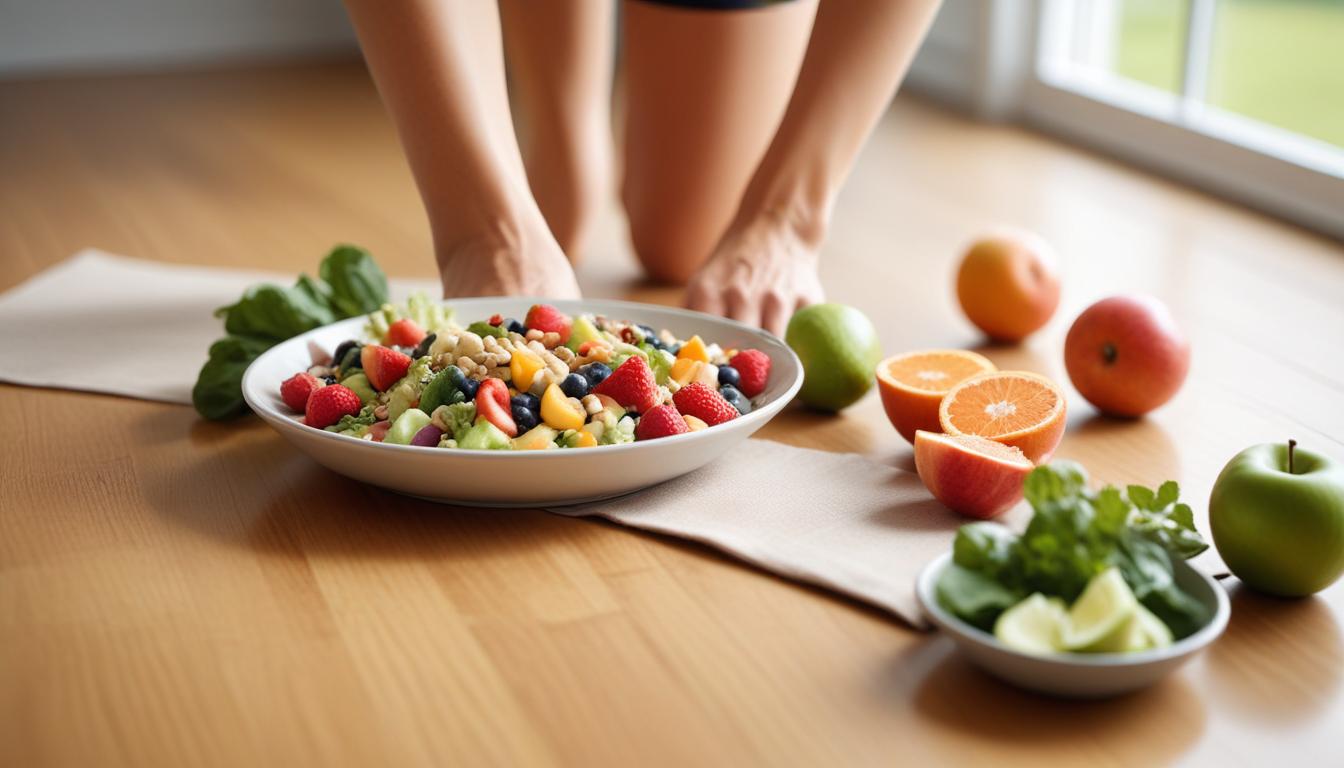
The Mediterranean diet culture that defines Barcelona's identity has merged with this preventive movement. Rather than eating well as vague aspiration, residents now pursue it as medically informed strategy—backed by baseline bloodwork, family history profiles, and personalised risk assessments from clinics across Eixample, Sarrià, and beyond.
The pattern is clear: early detection changes outcomes. And in Barcelona, that knowledge is finally becoming routine. For those considering preventive screening, consulting local medical professionals remains essential to understanding which tests suit individual circumstances.
This article was compiled by AI from the sources linked above and screened before publishing. See our editorial standards.