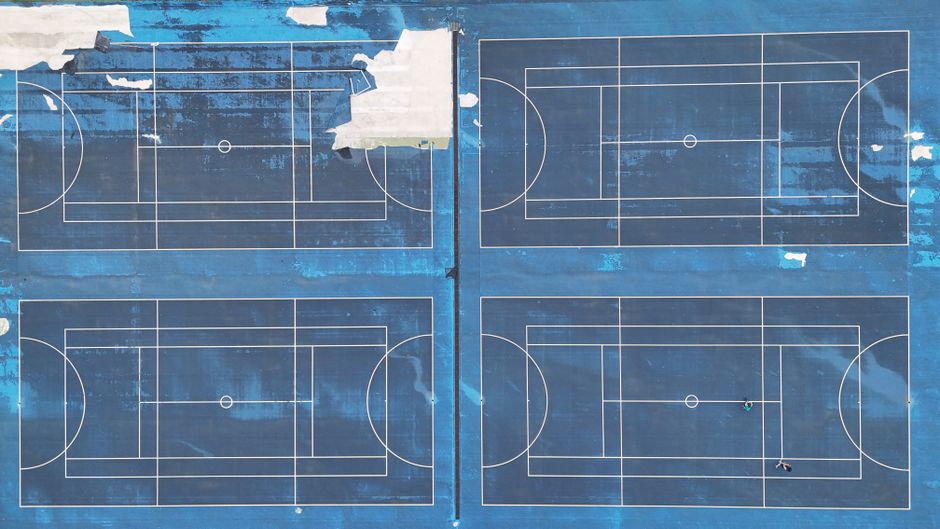
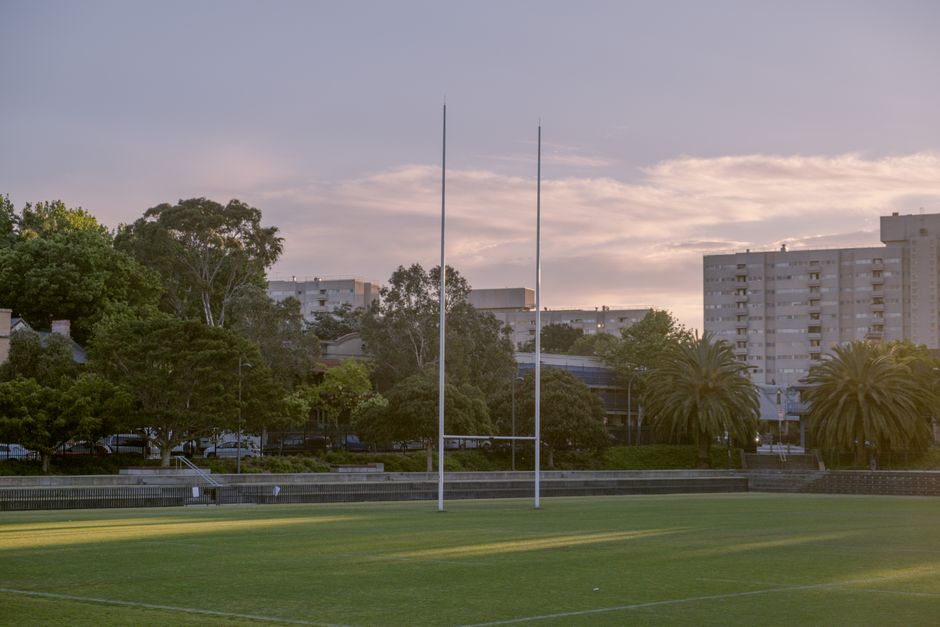
Walk past Marrickville Oval on a Saturday morning and you'll see what community sport really looks like: junior netballers in mismatched socks practising hand passes, under-10 footballers laughing through drills, parents manning the BBQ. This is where Sydney's grassroots sports ecosystem thrives—not in the gleaming stadiums of the CBD, but in the local grounds and clubs that anchor our neighbourhoods.
Over the past three years, participation in junior grassroots programs across Sydney's local clubs has grown by an estimated 22 per cent, according to data from Sport NSW. The numbers tell a compelling story: families are hungry for affordable, accessible sport, and community clubs are delivering.
At Cronulla Sharks Junior Rugby League Club, which operates from Southend Reserve, the waiting list for under-6s has ballooned to over 150 children. Club officials attribute the surge to a deliberate shift toward affordability—annual fees capped at $280 for the season—and a focus on development over elite selection. "We're not looking for future NRL players," says the club's development coordinator. "We're looking to create healthy, confident kids who love being part of something."
Similar stories emerge across the inner west. Coogee Dolphins Swimming Club, based at Arden Street Pool, has expanded from three junior squads to seven in just 18 months, while maintaining group fees at $35 per session. The club deliberately recruits volunteers from the local community, transforming parents into coaches and officials—a model that strengthens social bonds beyond the pool deck.
What's driving this resurgence? Experts point to post-pandemic reconnection, screen fatigue among young people, and parental recognition that organised sport builds resilience. But there's also a grassroots infrastructure story. Local councils, including Randwick and Marrickville, have invested in facility upgrades and subsidised hiring rates for junior programs, keeping costs manageable for middle and lower-income families.
Strathfield District Junior Athletics Club exemplifies the model. With 340 registered juniors and a volunteer committee of 18 parents, the club runs Saturday morning sessions for $15 per child. They've created a pathway system where kids progress through age groups without competitive pressure until they're ready.
The ripple effects extend beyond sport. These clubs have become crucial social infrastructure in an increasingly fractured urban landscape. They're where neighbours meet, where isolated families find belonging, where kids develop grit and friendship simultaneously.
Sydney's grassroots clubs aren't chasing gold medals or national profiles. They're quietly doing something more valuable: binding communities together, one Saturday morning at a time.
This article was compiled by AI from the sources linked above and screened before publishing. See our editorial standards.