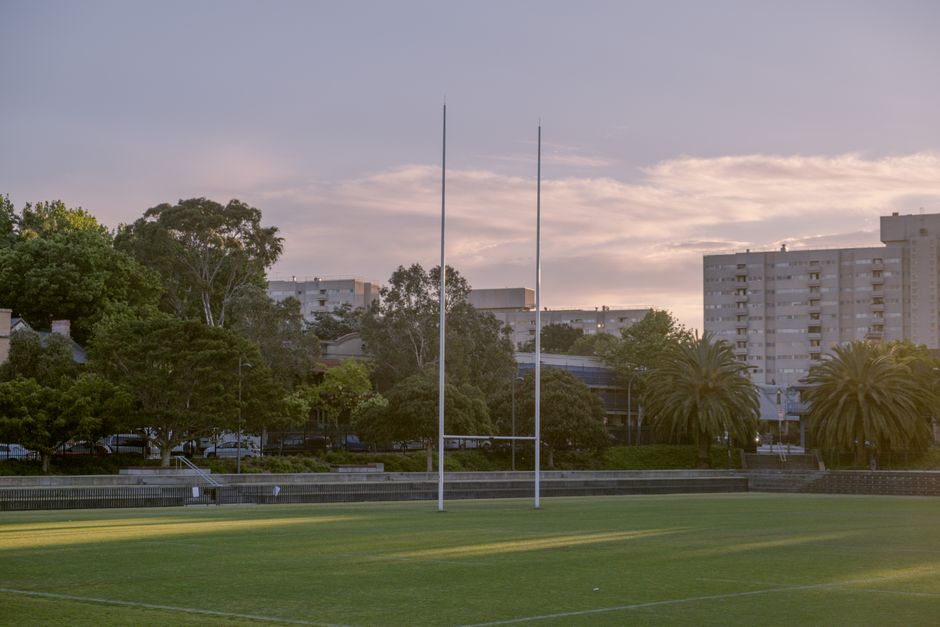
On any Tuesday evening across Sydney, something remarkable unfolds in the shadows of the city's more famous sporting venues. In Strathfield, a mixed-age netball team takes the court at Strathfield Park. In Erskineville, a local soccer club fields three grades on the fields behind Alexandria Park. In Cronulla, junior and senior rugby league sides prepare for weekend fixtures at Cronulla-Sutherland Rugby League Club's ground.
These are the grassroots—the foundation upon which Australian sport is built, yet rarely celebrated beyond the communities that sustain them.
Sydney's amateur leagues operate with remarkable infrastructure. The NSW Amateur Athletic Association coordinates track and field clubs across the city, while local district competitions in rugby union, AFL, and cricket remain the lifeblood of suburban participation. A typical registration fee for an amateur club ranges from $150 to $400 annually, with players often volunteering countless hours as officials, coaches, and administrators.
"The numbers are staggering," explains one administrator at a major inner-west sporting association. "We're talking tens of thousands of participants across the greater Sydney region, yet they rarely make headlines."
What makes Sydney's grassroots movement distinctive is its geographic diversity. Clubs in Penrith compete in their own competitions separate from those in the Eastern Suburbs. Manly and Parramatta have their own historical club structures that predate many professional franchises. Meanwhile, multicultural suburbs like Fairfield and Liverpool have spawned vibrant amateur leagues reflecting their communities—soccer clubs with deep cultural roots, cricket associations serving migrants from South Asia and the subcontinent.
The sustainability challenge, however, is real. Facility access remains contested. Councils juggle demands from schools, professional bodies, and grassroots clubs. A junior soccer side at Centennial Parklands or netball league at Roseberry Park competes for timeslots against commercial hiring interests.
Yet recruitment and retention tell an optimistic story. Amateur participation in team sports has remained resilient, particularly post-pandemic, as Sydneysiders sought community connection. Local clubs report waiting lists for junior programs and steady senior membership.
The grassroots movement's true measure isn't found in scorelines or media coverage. It's in the forty-year-old running club meeting at Centennial Park every Saturday morning. It's in the teenager discovering she loves Australian Rules at a local club in the Hills District. It's in the social bonds forged through shared commitment to sport, week after week, in suburbs across greater Sydney.
These clubs don't produce headlines. They produce community.
This article was compiled by AI from the sources linked above and screened before publishing. See our editorial standards.