From the Barceloneta to the Pyrenees: Your Guide to Starting Out in Endurance Sport
Barcelona is one of Europe's best cities for running, cycling and triathlon — here's everything a beginner needs to know before lacing up.
Barcelona is one of Europe's best cities for running, cycling and triathlon — here's everything a beginner needs to know before lacing up.
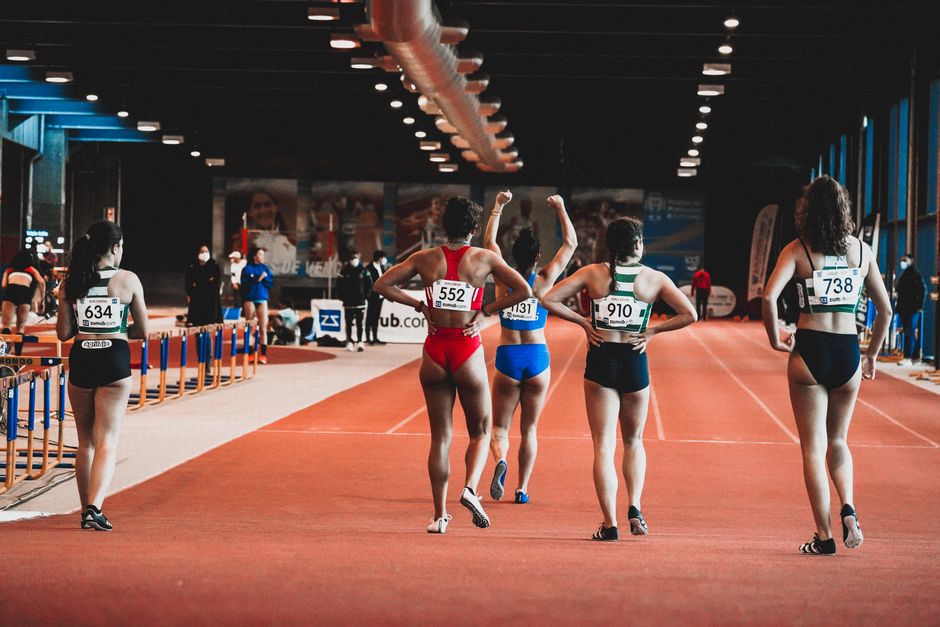
Sign-ups for the 2027 Barcelona Triathlon opened last month and sold out the entry-level sprint-distance wave in under 72 hours. That tells you something. This city has developed one of the most active endurance sport communities on the continent, and for newcomers arriving in July — whether expats, students or long-time residents finally making a move — the summer window is the best moment to start.
The timing matters for a specific reason. Barcelona's club and group training calendars reset in September, when most running clubs and cycling groups open their beginner cohorts. That gives anyone starting now roughly eight weeks to build a base, sort equipment and figure out which discipline suits them before the formal season kicks in. Doing some legwork in July beats scrambling in October.
For running, the most accessible entry point is the Passeig Marítim. The 4.5-kilometre promenade between the Port Olímpic and the Barceloneta is flat, well-lit and trafficked by runners at every level from 6am onwards. It is also where Club Atletisme Barcelona — one of the city's oldest athletics clubs, founded in 1913 — runs its free Saturday morning community jogs at 8am, open to anyone who shows up. The club's beginner programme, which starts each September, costs around €80 for a full season and includes coached sessions three times a week on the Pista d'Atletisme de la Vall d'Hebron in the Horta-Guinardó district.
Cyclists should look at Bicicleta Club de Catalunya, which organises Sunday sportive rides departing from the Fòrum area in Diagonal Mar. The club distinguishes clearly between its competitive section and its leisure-touring groups, and the touring rides — which range from 40 to 90 kilometres depending on the week — welcome riders on road bikes, gravel bikes and even well-maintained hybrids. Annual membership runs to approximately €120, which includes third-party insurance, a legal requirement for group road riding in Catalonia.
Triathlon sits at the intersection of both sports, plus swimming. Triatló Barcelona, based near the Piscina Municipal de Montjuïc, runs an eight-week Try-a-Tri course each autumn priced at €195. It covers open-water swimming in the harbour at the Club Natació Athlètic-Barceloneta, bike-handling drills on the Carretera de les Aigües above Sarrià, and track running on the Olympic circuit. The club requires no previous triathlon experience and provides loaner wetsuits for the harbour sessions.
Equipment costs are the question every beginner asks first. For running, a decent pair of shoes from a specialist retailer — Buff Running Store on Carrer de Londres in the Eixample carries a solid range — sits between €110 and €160. That, a technical t-shirt and a cheap GPS watch covers you for a year. Cycling involves more outlay: a roadworthy second-hand road bike sourced through Wallapop or from the second-hand section at Trek Barcelona on Carrer de Diputació can be had for €400 to €700, and that is the honest floor. Add a helmet (legally mandatory, minimum €50 for a certified model) and a basic lock.
Triathlon's swimming component adds a wetsuit if you plan to race in open water. The Club Natació Athlètic-Barceloneta sells rental memberships for €55 a month, giving access to both the indoor pool and supervised open-water sessions in the harbour between May and October — useful before committing to buying your own kit.
The broader picture is encouraging. A 2024 survey by the Catalan Sports Council found that 34 percent of Barcelona residents aged 18 to 45 reported doing some form of endurance exercise at least once a week, up from 24 percent in 2019. The infrastructure has kept pace: the city added 42 kilometres of protected cycling lanes between 2021 and 2025, much of it connecting the coastal path to the Collserola hills.
The practical next step is simple. Pick one discipline, show up to one free group session — the Passeig Marítim on a Saturday morning costs nothing — and go from there. September's club enrolments fill fast. The entry windows typically open in the last week of August.
How does this story make you feel?
Spread the word
About this article
Published by The Daily Barcelona
Daily brief
Free, in your inbox before 7am. Weekdays.
More in Sport


