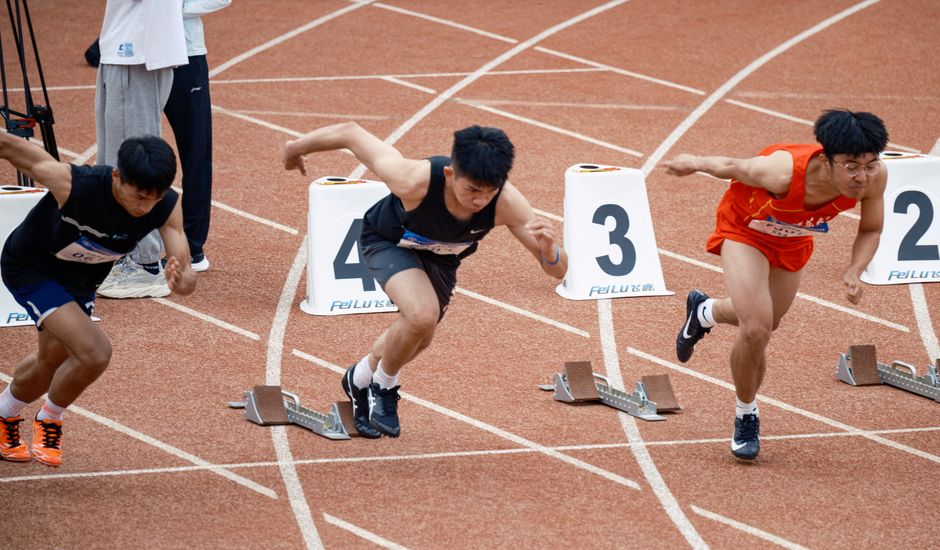
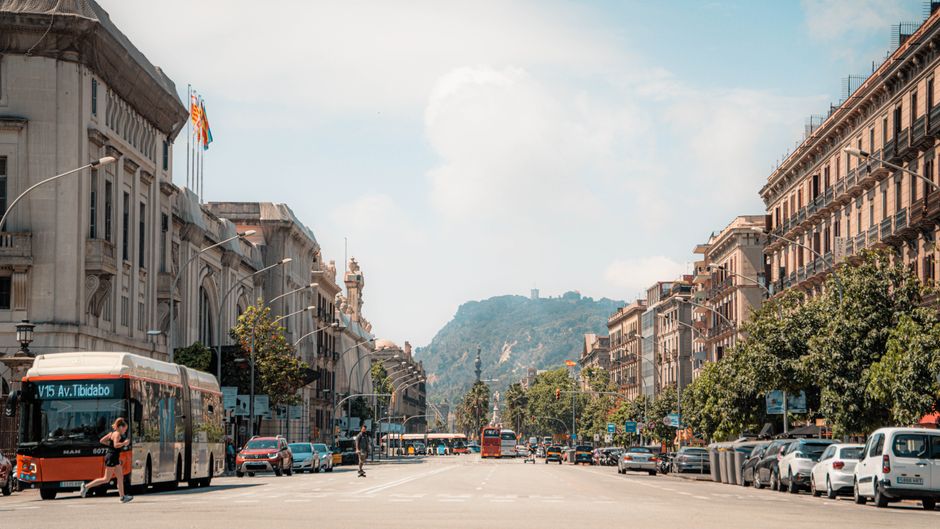
Barcelona's relationship with its sporting infrastructure has undergone a quiet transformation. While Camp Nou and the Palau Blaugrana remain iconic anchors, data from municipal recreation departments reveals that the real fitness revolution is happening in repurposed Olympic venues and neighbourhood sports complexes scattered across Eixample, Gràcia, and Sant Martí.
The Estadi Cornellà-El Prat, home to RCD Espanyol, has expanded its community programmes to accommodate over 8,000 weekly participants in athletics clinics, football academies, and general fitness classes—a 340% increase since 2019. Yet the numbers tell a more nuanced story than simple growth. Municipal data shows that participation in traditional gym memberships has plateaued at around 42% of the city's adult population, while open-air and public-venue fitness activities have surged by 67% over the same period.
The Poliesportiu Joan Miró in Montjuïc, which underwent significant renovation two years ago, now serves approximately 12,500 active members monthly across its swimming pools, basketball courts, and multipurpose halls. At €35 per month for residents, it has become a bellwether for affordability-driven fitness participation. Similarly, the Complex Esportiu Municipal Poblenou in the revitalized industrial district attracts nearly 6,000 regular users weekly, suggesting that location and accessibility remain paramount.
What this data really illuminates is a shift in Barcelona's fitness culture away from boutique exclusivity toward inclusive, municipality-supported programming. The city's investment in illuminated running tracks along the Parc de la Ciutadella and renovation of courts near Passeig de Sant Joan has created a fitness landscape that doesn't require membership fees or air-conditioned interiors.
Sports officials attribute the trend partly to post-pandemic preferences for outdoor activity and community-based exercise. But there's also a distinctly Catalan pragmatism at play: why pay €60 monthly for a private gym when the Piscina Bernat Picornell, a legacy of the 1992 Olympics, offers world-class facilities for a fraction of the cost?
The data suggests Barcelona's fitness culture is becoming democratized rather than homogenized. Elite venues still thrive, but they're increasingly positioned within a broader ecosystem where community participation drives municipal policy and infrastructure investment. For a city that built its modern identity around hosting the Olympics, the real victory today isn't measured in medals—it's counted in the thousands of citizens using their city's sporting spaces every single day.
This article was compiled by AI from the sources linked above and screened before publishing. See our editorial standards.