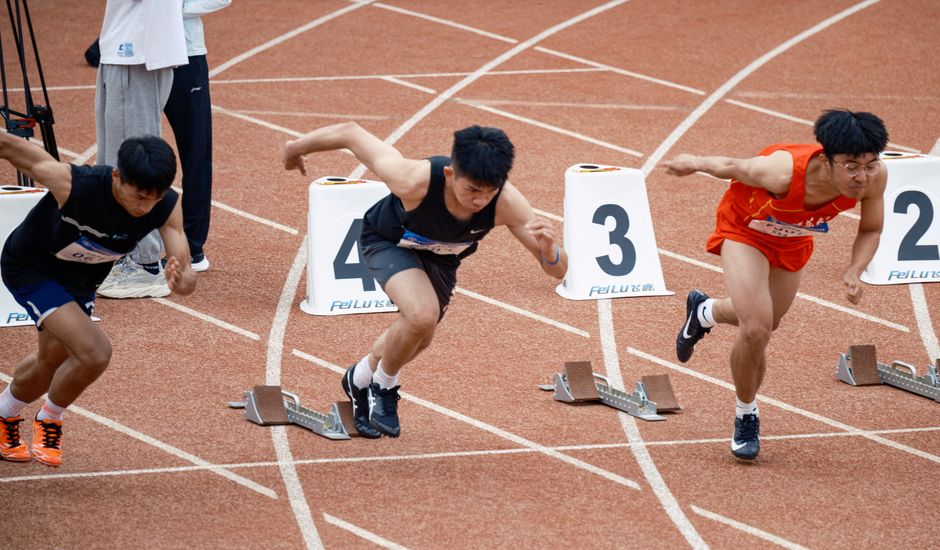
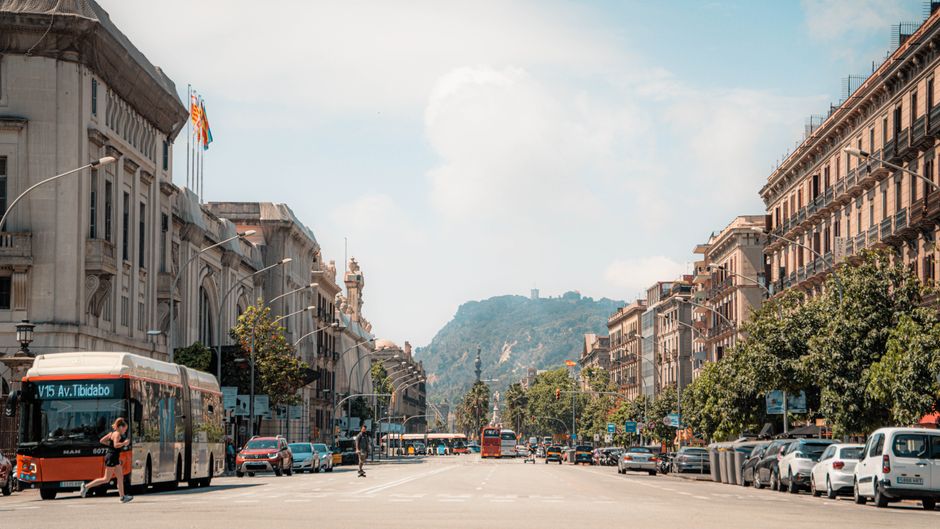
Barcelona's landscape of sporting infrastructure tells the story of a city that refuses to rest on its Olympic laurels. Nearly four decades after hosting the 1992 Games, the Catalan capital continues investing substantially in venues and facilities that serve everyone from elite athletes to weekend recreational enthusiasts across its neighbourhoods.
The most visible transformation remains underway at Camp Nou, where FC Barcelona's iconic stadium in Les Corts is undergoing its most significant renovation in decades. The Espai Barça project, when complete, will expand capacity to approximately 110,000 while incorporating modern hospitality and training facilities. Meanwhile, the club's training ground in Sant Joan Despí has become a state-of-the-art complex that rivals Europe's best academies, essential infrastructure for developing the talent pipeline that sustains Catalan football's reputation.
The Montjuïc complex remains Barcelona's sporting crown jewel. The Olympic Stadium, still hosting major athletics events and FC Barcelona's rugby team, sits alongside the Palau Sant Jordi—a 17,000-capacity venue that regularly hosts basketball, handball, and volleyball. The nearby facilities at the National Training Centre continue supporting everything from swimming to rhythmic gymnastics, maintaining the sporting diversity that defined Barcelona's Olympic vision.
Beyond the marquee venues, the city's infrastructure network extends throughout neighbourhoods. The Complejo Esportiu Municipal de Vallvidrera in the Sarrià-Sant Gervasi district provides comprehensive facilities for climbing, running, and cross-country skiing. The Piscines Bernat Picornell on Montjuïc offer Olympic-standard diving and swimming pools available to the public—a crucial democratic approach to sports access that characterises Barcelona's philosophy.
Investment continues strategically. The Port Vell neighbourhood's waterfront developments have enabled water sports expansion, while neighbourhood-level poliesportius (multi-sport centres) distributed across Eixample, Gràcia, and Sants provide accessible facilities for residents. The city allocates approximately €45 million annually to sports infrastructure maintenance and development, according to municipal figures.
Barcelona's approach reflects understanding that hosting world-class events requires permanent infrastructure benefiting residents long after athletes depart. When the city hosts the 2030 Winter Olympics (jointly with Pyrenees mountain venues), these facilities—modernised yet proven—will again serve as showcases. More importantly, they represent Barcelona's commitment to sport as fundamental infrastructure, not luxury. That philosophy, embedded in concrete and steel across the city, remains the real legacy.
This article was compiled by AI from the sources linked above and screened before publishing. See our editorial standards.