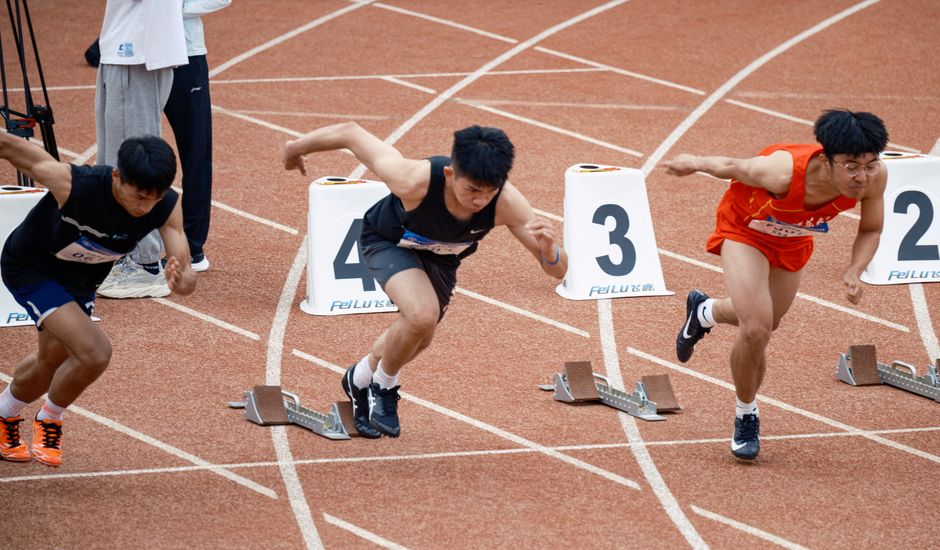
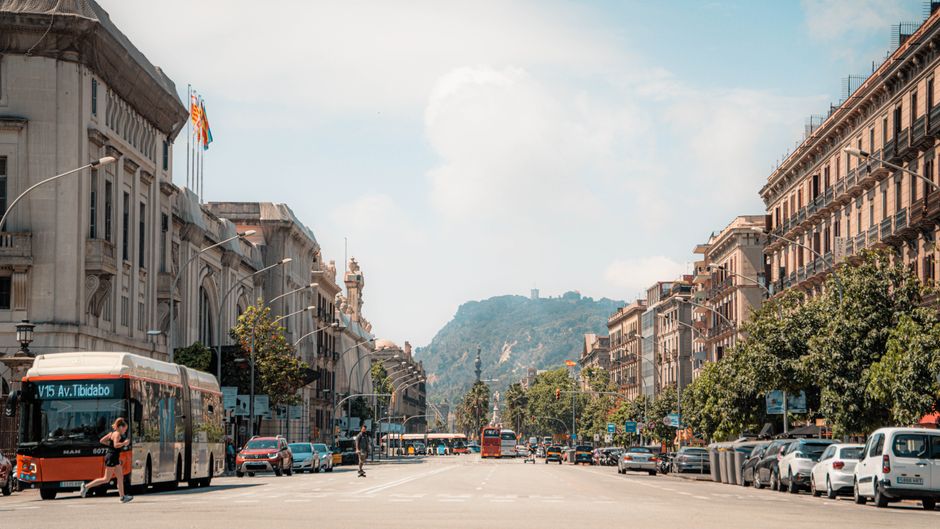
Barcelona's grassroots sports sector is experiencing a quiet revolution. According to figures compiled by the Consell de l'Esport, youth participation in organised club sports across the city has grown 22% over the past four years, with registration numbers now exceeding 145,000 children and teenagers aged 6-18. On the surface, it's a triumph for local fitness culture. Dig deeper, however, and the data tells a more complex story about inequality, accessibility, and what families in different neighbourhoods actually value.
The surge is uneven. Clubs in affluent areas like Sarrià-Sant Gervasi and Les Corts—where facilities such as the Federació Catalana d'Esports and private venues dot the landscape—report waiting lists. Youth football academies affiliated with FC Barcelona's grassroots network alone process over 8,000 registrations annually. Meanwhile, participation in working-class districts like Nou Barris and parts of Sant Martí remains stubbornly flat, despite similar population densities.
Cost remains the primary barrier. Standard membership at a mid-tier club on Carrer de Còrsega or near Plaça Reial runs between €60-120 monthly, plus kit and travel expenses. For families already stretched financially, this is prohibitive. A study by the Ajuntament's Direcció de Joventut found that 67% of non-participating youth cite affordability as the main obstacle, up from 51% three years ago.
What's genuinely encouraging is the diversification beyond football. Basketball clubs around Montjuïc are expanding rapidly. Swimming participation—crucial in a Mediterranean city—is up 31% at municipal facilities like Piscines Picornell, where subsidised rates for residents make access realistic. Climbing walls, increasingly common in industrial spaces converted into community hubs across Poblenou, attract teenagers previously uninterested in traditional sports.
The data also reveals something about Barcelona's evolving relationship with sport itself. Young people aren't simply choosing individual fitness; they're choosing community. Club sports offer structure, mentorship, and belonging—elements increasingly rare in fragmented urban life. Participation in team sports outpaces individual pursuits by a ratio of 3:1.
Yet questions linger. Are we genuinely creating inclusive pathways, or simply documenting how privilege manifests through sport? The next phase of Barcelona's grassroots development depends on answers. More facilities in underserved neighbourhoods, realistic pricing mechanisms, and targeted outreach could transform participation data from a story of some children thriving into one where all can.
This article was compiled by AI from the sources linked above and screened before publishing. See our editorial standards.