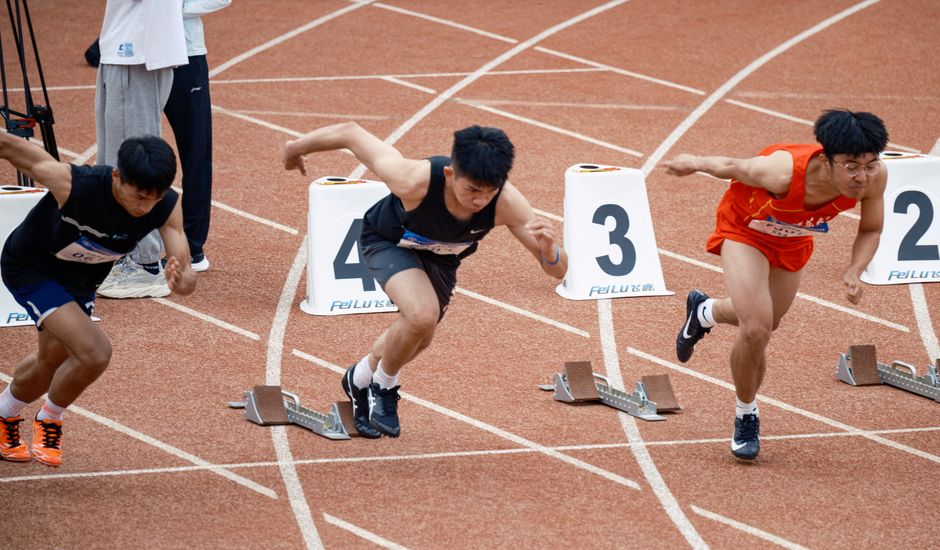
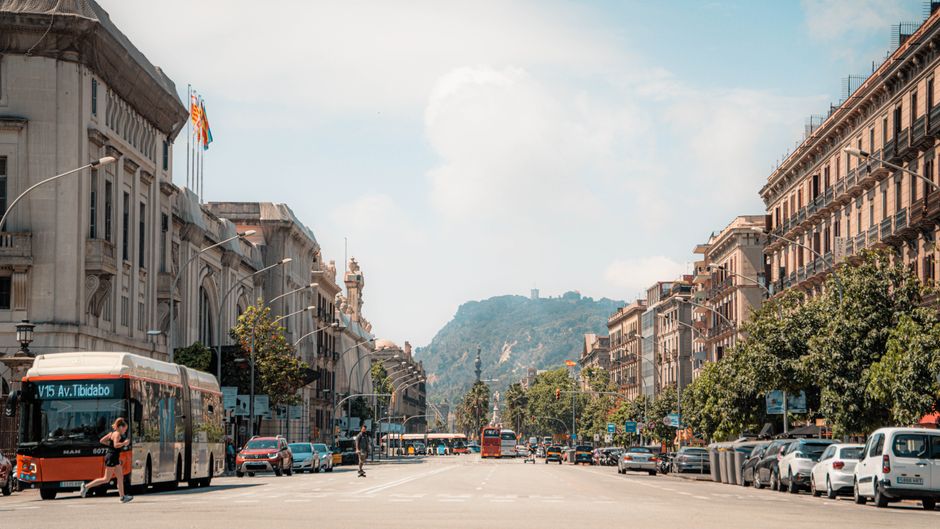
Walk through Gràcia on any summer evening and you'll see it: children kicking balls across Plaça del Sol, teenagers scaling climbing walls at local leisure centres, swimmers cutting through Olympic-legacy pools. Barcelona's sports infrastructure isn't just world-class — it's woven into the fabric of ordinary neighbourhoods, accessible to families regardless of budget.
The city's commitment to junior sport flows directly from its venues. Take the Piscines Bernat Picornell, nestled beneath Montjuïc's tree-lined slopes. Built for the 1992 Olympics, these five pools now serve as the backbone of Barcelona's aquatic development, offering competitive training for €180 monthly memberships alongside casual swimming at €8 per session. Around 15,000 young swimmers cycle through its programmes annually — a pipeline that feeds everything from school competitions to elite federation teams.
But Olympic monuments tell only part of the story. The real catalyst for participation lies in neighbourhood facilities. Sant Antoni's recently renovated sports centre on Carrer de la Carme houses four basketball courts and a fully equipped gymnasium; Sarrià's municipal complex near Plaça Sarrià offers subsidised tennis coaching for under-16s at €45 per month. For families in Poblenou, the waterfront's state-of-the-art leisure centre provides athletics tracks, futsal courts, and climbing walls — intentionally designed to serve a diverse demographic.
The infrastructure extends beyond brick and concrete. Barcelona's network of 23 municipal sports centres, coordinated through the Direcció de Serveis d'Esports, distributes opportunities across all ten districts. Entry-level programmes — typically €60–120 monthly — offer football, basketball, athletics, and gymnastics for ages 4–18. Poorer families benefit from subvencions socials (social subsidies), covering up to 75% of fees for households earning under €1,200 monthly.
What distinguishes Barcelona is integration. The Fundació Barcelona Activa links sports access to broader social mobility, particularly in historically underserved areas like Ciutat Vella and Nou Barris. Their initiatives have recruited over 8,000 young participants into formal sports structures since 2015.
For parents seeking entry points: contact your district's municipal centre directly, visit the Ajuntament's sports portal for area-specific programmes, or visit established clubs like FC Barcelona's grassroots academy (which operates beyond Camp Nou, across 14 satellite facilities). The infrastructure is democratic. The participation, increasingly, is too.
This article was compiled by AI from the sources linked above and screened before publishing. See our editorial standards.