Climbing Barcelona: How World-Class Facilities Are Making the City an Extreme Sports Hub
From indoor walls in Poblenou to outdoor crags in Montserrat, Barcelona's climbing infrastructure is attracting athletes and adventurers from across Europe.
From indoor walls in Poblenou to outdoor crags in Montserrat, Barcelona's climbing infrastructure is attracting athletes and adventurers from across Europe.
Barcelona's climbing scene has undergone a dramatic transformation over the past decade, driven by substantial investment in dedicated facilities and a growing recognition of outdoor adventure sports as integral to the city's leisure economy. Today, the Catalan capital boasts infrastructure that rivals major climbing destinations across Europe, cementing its status as more than just a football city.
The most visible symbol of this shift is the emergence of high-specification indoor climbing gyms. Bloc Shop, located in the heart of Poblenou's creative district, operates over 1,200 square metres of climbing wall space, featuring routes ranging from beginner bouldering problems to advanced lead climbing challenges. Day passes cost €18, with monthly memberships at €65—pricing that reflects the professional standard of the facility. Similarly, Explora Climbing Centre in Sant Antoni has established itself as a training ground for competitive athletes, hosting regular competitions sanctioned by the Federació d'Esports de Muntanya de Catalunya.
Yet indoor facilities tell only part of the story. Barcelona's proximity to Montserrat—approximately 50 kilometres northwest—has positioned the city as a gateway to world-renowned outdoor climbing. The distinctive sandstone formations around Montserrat offer over 2,000 established routes, attracting climbers from across Europe. This accessibility has prompted local authorities to invest in infrastructure around Monistrol de Montserrat station, including improved parking facilities and marked trail systems that prioritise both safety and environmental conservation.
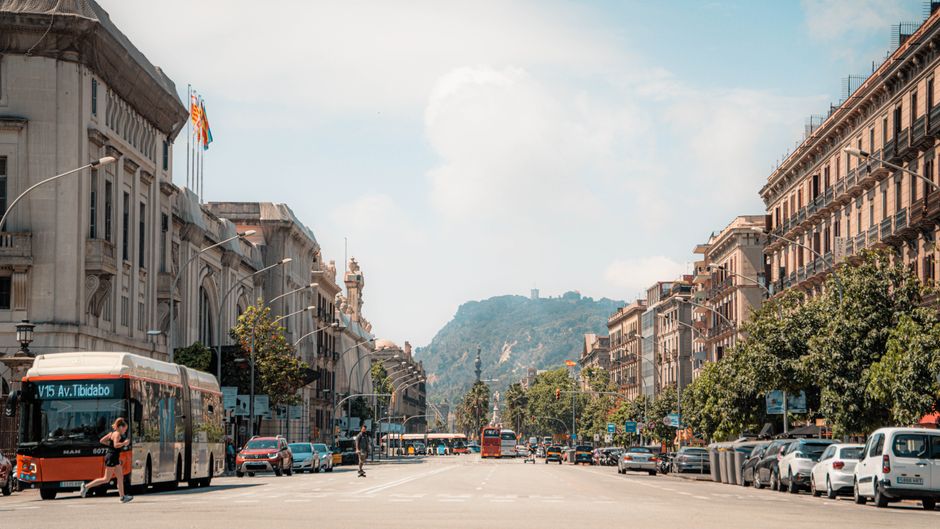
The municipal government has also recognised climbing's economic potential. Investment in the Via Ferrata infrastructure near Collserola—the mountain range visible from the city centre—has created accessible vertical adventures for tourists and locals alike. These protected climbing routes, maintained by volunteer organisations like the Club d'Esports de Muntanya Barcelona, offer a safer introduction to vertical terrain while generating revenue through guided tours and equipment rental.
Infrastructure supporting extreme sports extends beyond climbing. The city's skateparks in Parc de l'Estació del Nord and the beachfront spots in Bogatell have received €2.3 million in municipal funding since 2020, modernising concrete features and expanding capacity. These investments reflect a broader urban strategy recognising that adventure sports infrastructure attracts younger demographics and enhances Barcelona's reputation beyond traditional tourism.
Challenges remain. Environmental concerns around overuse of Montserrat's crags have prompted restrictions on group sizes, while some Poblenou residents express concerns about gentrification linked to the climbing community's growth. Nevertheless, the infrastructure investment demonstrates Barcelona's commitment to positioning itself as a comprehensive sports destination—one where climbing anchors sit alongside goal posts in the city's sporting identity.
This article was compiled by AI from the sources linked above and screened before publishing. See our editorial standards.
How does this story make you feel?
Spread the word
About this article
Published by The Daily Barcelona
Daily brief
Free, in your inbox before 7am. Weekdays.
More in Sport