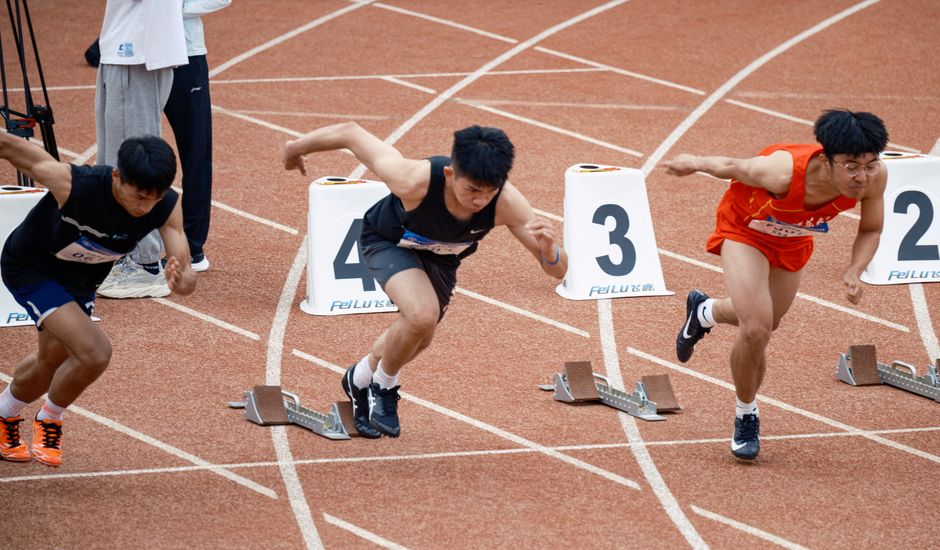
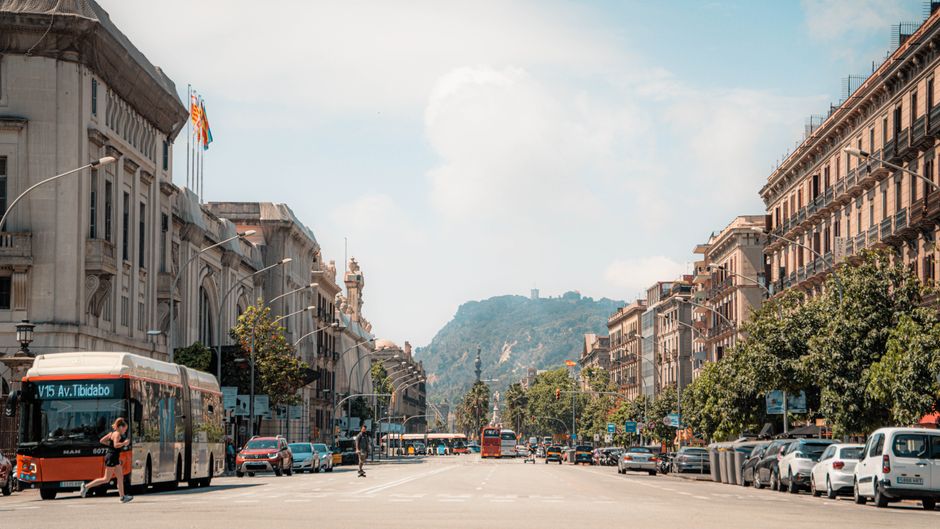
Running, Cycling, and Triathlons Reveal a Barcelona Fitness Culture in Flux
Participation data from the city's endurance sports scene shows rising amateur engagement but raises questions about who gets left behind.
Participation data from the city's endurance sports scene shows rising amateur engagement but raises questions about who gets left behind.
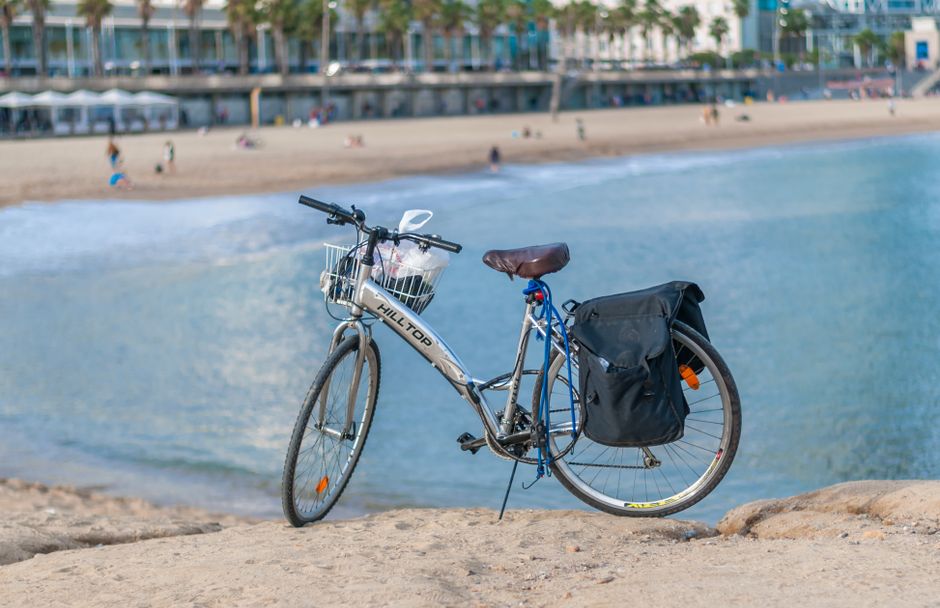
Barcelona's endurance sports landscape is experiencing a curious transformation. Registration figures from the Catalan Athletics Federation and cycling clubs paint a picture of a city where fitness culture is fragmenting along distinct lines—with explosive growth in some quarters and stubborn stagnation in others.
The numbers are striking. Over the past three years, triathlon participation in the metropolitan area has surged by 34%, with local federations reporting nearly 8,400 licensed triathletes competing across Olympic, sprint, and half-Ironman distances. Meanwhile, cycling club memberships have climbed steadily, with outfits like the Pedalada Popular and clubs operating from bases in Sarrià-Sant Gervasi reporting waitlists for entry-level programs. Running, traditionally the most accessible endurance pursuit, shows more modest but consistent growth of around 8% annually.
Yet beneath these headline figures lies a more complex reality about Barcelona's fitness culture. The boom is concentrated among affluent neighbourhoods and established cycling and triathlon clubs with entrance fees ranging from €150 to €600 annually—before equipment costs. Participation in working-class districts like Nou Barris and Besós remains comparatively low, according to municipal sports department data compiled this year.
The infrastructure tells a partial story. Runners have benefited from improved facilities around Parc de la Ciutadella and along the Mediterranean beachfront path, while cyclists enjoy expanding segregated lanes on avenues like Diagonal and Gran Via. Triathletes rely heavily on private pools and the Besos beach for open-water training—resources not equally distributed across all neighbourhoods.
Local sports shop density offers another insight. The Eixample district hosts more than 40 specialist endurance sports retailers, compared to just three in Bellvitge. This clustering reflects spending power and proximity to training communities rather than demand from residents.
What the data ultimately suggests is a city where endurance sports participation is becoming increasingly stratified. Investment in equipment, club memberships, and training infrastructure requires disposable income that not all Barcelonans possess. The weekend cyclist or weekend warrior triathlete is increasingly a recognisable social figure—but primarily in Sarrià, Pedralbes, and upper Eixample.
The municipal government's 2026 sports initiative promises €2.3 million toward community-level programs in underserved areas. Whether this moves the needle on participation equity, however, remains to be seen. For now, Barcelona's endurance sports boom is real—but it is decidedly uneven.
This article was compiled by AI from the sources linked above and screened before publishing. See our editorial standards.
How does this story make you feel?
Spread the word
About this article
Published by The Daily Barcelona
Daily brief
Free, in your inbox before 7am. Weekdays.
More in Sport