FC Barcelona's Fitness Revolution: How the Club's New Training Protocols Are Reshaping Gym Culture Across the City
Following a gruelling season, Barça's commitment to evidence-based conditioning is inspiring a fitness boom in Eixample and beyond.
Following a gruelling season, Barça's commitment to evidence-based conditioning is inspiring a fitness boom in Eixample and beyond.
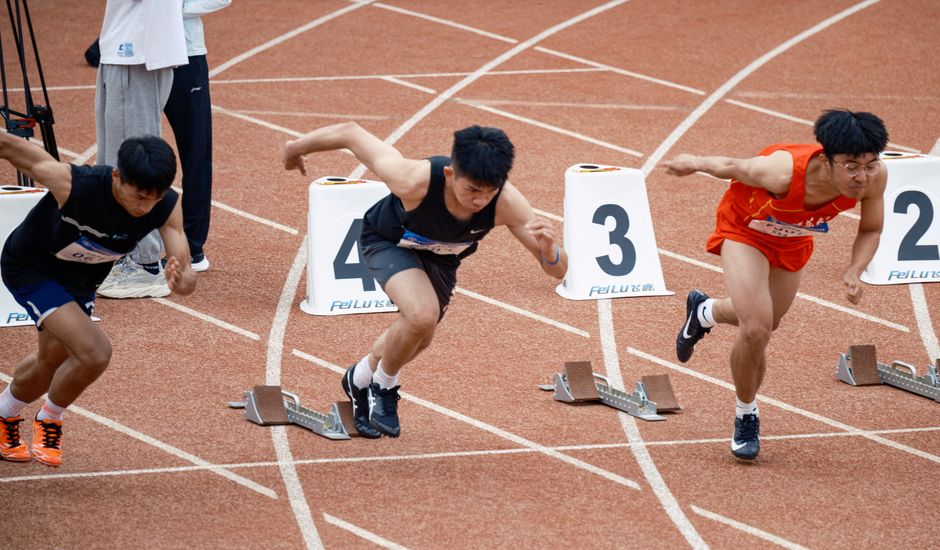
The buzz around Barcelona's fitness scene has reached fever pitch following FC Barcelona's recent announcement of a comprehensive overhaul of its conditioning programmes at the Ciutat Esportiva Joan Gamper. The club's investment in cutting-edge recovery protocols and neuromuscular training—designed to prevent the injury crises that plagued their 2025-26 campaign—is trickling down through gyms across the city, creating an unexpected surge in demand for science-backed training methodologies.
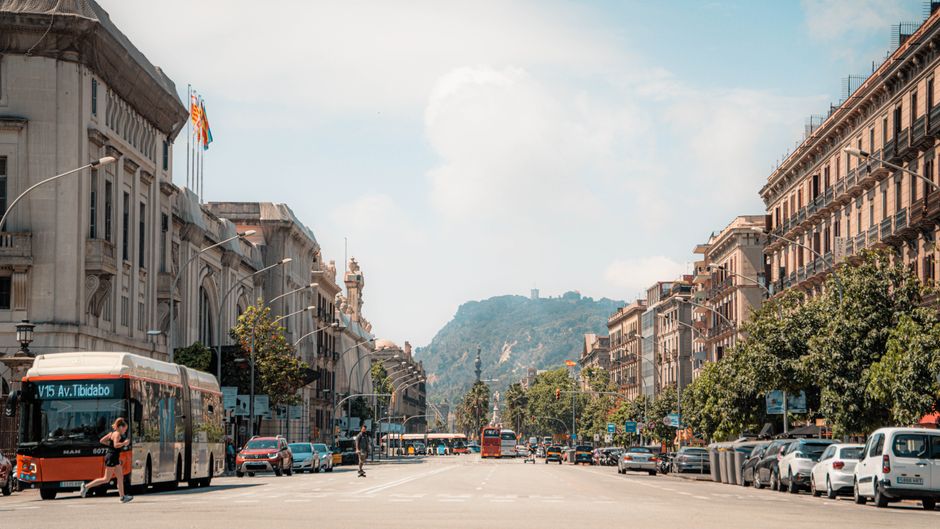
Personal trainers at premium facilities along Passeig de Gràcia and in Eixample report a 34% spike in enquiries about periodised training plans and biomechanical assessment services since Barça's fitness strategy became public knowledge in late June. "Members are asking specifically about the type of work Barcelona's athletes do," explains one coach at a leading facility near Plaça de Catalunya. "It's no longer just about aesthetics—people want functional, athlete-level conditioning."
The club's renewed emphasis on individualised load management and GPS-tracked sessions has prompted several Barcelona-based gyms to upgrade their technology infrastructure. Facilities in Sarrià and Sant Gervasi, traditionally favoured by the city's professional athlete community, are now installing real-time biometric monitoring systems. Session packages—once priced between €60-80 per month for standard memberships—now extend to premium tiers at €150+ for access to performance analytics and periodised programming comparable to elite sports standards.
What makes this moment particularly significant is its grassroots impact. Barcelona's fitness culture has historically been about Mediterranean lifestyle aesthetics; the current shift toward evidence-based training mirrors how top football clubs globally are professionalising player development. The city's younger demographic—particularly those aged 18-35 in neighbourhoods like Gràcia and Poblenou—are embracing this transition enthusiastically.
Dr. Joan Laporta's administration has also commissioned a city-wide initiative encouraging Barcelona's sports facilities to adopt similar conditioning frameworks, positioning the metropolis as a hub for athletic performance science. The Ajuntament's sports department reports discussions with major gym chains about subsidised access to training modules based on Barça's methodologies.
Whether this represents a sustainable shift in how Barcelona approaches fitness, or merely a temporary spike driven by club loyalty, remains to be seen. What's undeniable is that Barcelona's football institution—even amid institutional challenges—retains remarkable cultural influence over how the city's residents train, move, and think about athletic performance.
This article was compiled by AI from the sources linked above and screened before publishing. See our editorial standards.
How does this story make you feel?
Spread the word
About this article
Published by The Daily Barcelona
Daily brief
Free, in your inbox before 7am. Weekdays.
More in Sport