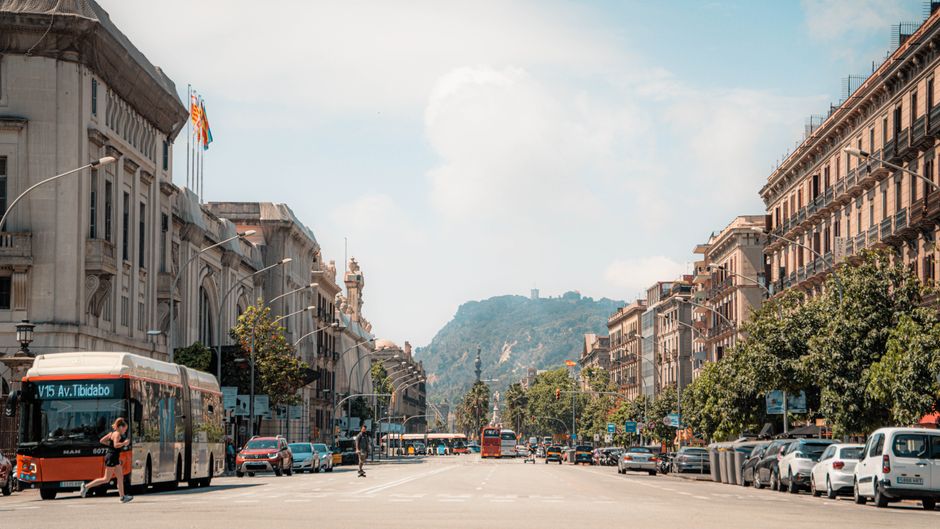
Walk down Passeig de Sant Joan on any weekday morning, and you'll see them: clusters of residents in athletic wear, heading toward the proliferation of fitness studios that have transformed Barcelona's urban landscape over the past three years. The trend isn't anecdotal—it's backed by concrete numbers that paint a revealing picture of how locals prioritise health and community.
Recent participation data from Barcelona's municipal sports department shows gym and structured fitness memberships have surged 34% since 2023, with over 185,000 active members across certified facilities citywide. More telling is the demographic spread: participation among residents aged 25-40 has nearly doubled, while over-40s represent the fastest-growing segment, increasing by 41% year-on-year. These aren't vanity metrics—they suggest a fundamental shift in how Barcelona approaches wellness.
The geographic distribution reveals something equally significant. Neighbourhoods like Eixample and Sant Antoni, traditionally associated with Barcelona's nightlife, now host some of the city's densest concentration of boutique gyms, CrossFit boxes, and yoga studios. A single block near Mercat de Sant Antoni can claim at least five dedicated fitness venues. Meanwhile, working-class areas like Poblenou and Sants have seen community sports centres expand their offerings, indicating fitness culture isn't exclusively premium-driven.
Pricing data underscores this democratisation. While high-end facilities near Passeig de Gràcia charge €80-120 monthly, neighbourhood gyms in Horta or Nou Barris operate at €30-45, with municipal facilities offering memberships under €20. This accessibility appears deliberate: 62% of new members come from households with incomes under €2,500 monthly, suggesting Barcelona's fitness culture is increasingly inclusive rather than aspirational.
Group fitness classes dominate participation trends. Data shows 73% of active members engage in at least one weekly group activity—spinning, functional training, or team sports—rather than solo gym work. This preference for collective experience speaks volumes about Barcelona's social fabric: fitness here is as much about community as cardiovascular health.
The rise also correlates with workplace wellness programmes. Companies operating from tech hubs in Poblenou and business districts near Plaça d'Espanya report that 58% of employees now use subsidised gym access, compared to 31% five years ago. Corporate investment suggests fitness has shifted from personal hobby to collective priority.
What does this tell us? Barcelona's fitness culture increasingly reflects the city's broader values: accessibility, community participation, and integration across neighbourhoods. We're not chasing Instagram aesthetics—we're building habits that bind us together.
This article was compiled by AI from the sources linked above and screened before publishing. See our editorial standards.