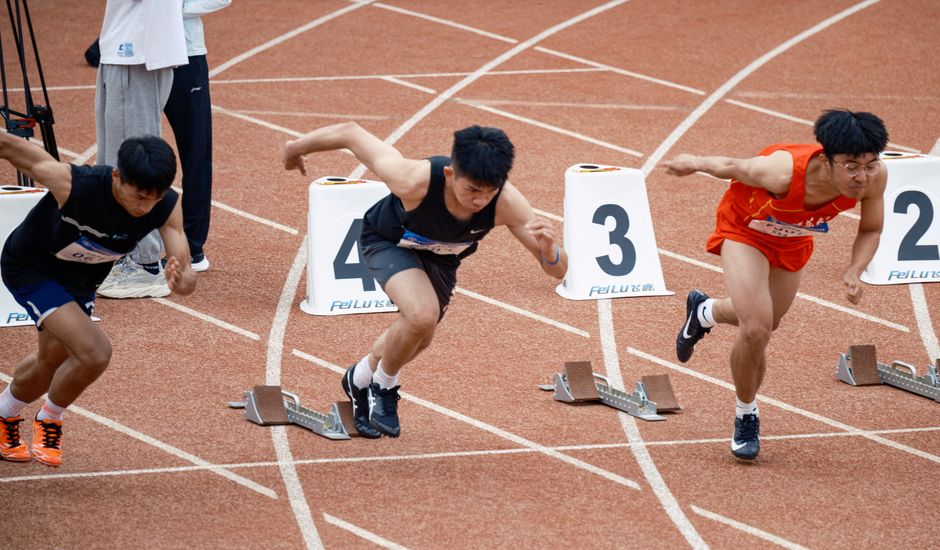
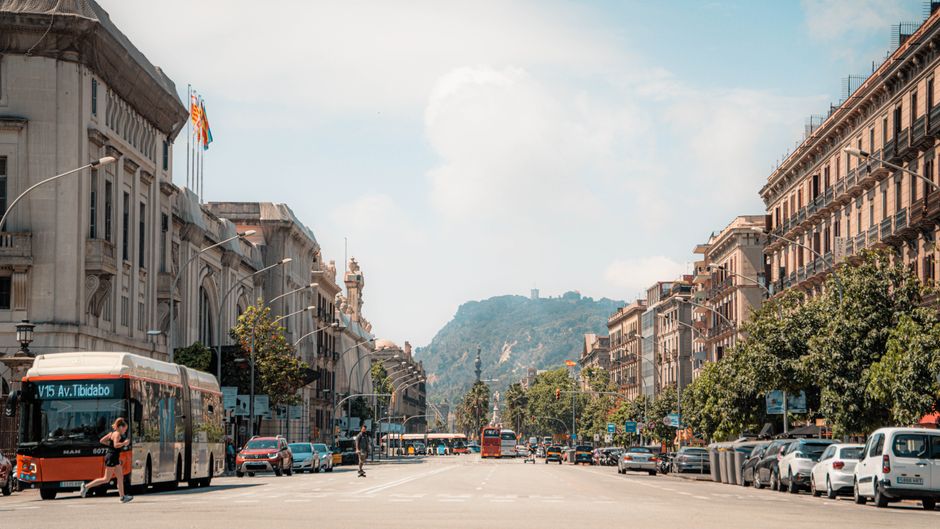
Walk through the Poblenou neighbourhood on a Tuesday evening and you'll find the pitches at Club Esportiu Poblenou alive with activity. Teams of engineers, teachers, and small-business owners line up for their weekly matches, while parents watch from the sidelines. It's a scene replicated across Barcelona's amateur sports landscape—a quiet revolution in community building that's gathering genuine momentum.
The numbers tell a compelling story. Barcelona's municipal sports department reported that recreational club memberships increased by 28% over the past three years, with over 85,000 people now registered in amateur leagues across football, futsal, handball, and volleyball. That surge reflects something deeper than mere participation: it's a reclamation of shared space and social connection in an increasingly fragmented city.
Club Esportiu Sarrià, nestled in the quiet neighbourhood near Avinguda Sarrià, has expanded from a single pitch to three, accommodating teams from over 200 families. Membership fees typically range from €120 to €200 annually—affordable enough to attract working-class players while sustainable enough to maintain facilities. "We've become a gathering place," explains one regular, describing how matches now draw spectators of all ages, from toddlers in prams to retired supporters who've watched the club evolve for decades.
The phenomenon isn't confined to football. Futsal leagues across Les Corts and Sant Antoni have experienced similar growth, with indoor courts fully booked most evenings. Meanwhile, handball clubs near Montjuïc have seen female participation double, reflecting broader shifts toward inclusive recreational sport. These aren't elite facilities—many operate from converted warehouses or municipal sports centres—yet they've become irreplaceable community assets.
What makes this resurgence particularly significant is its role in neighbourhood cohesion. In areas like Gràcia and Sants, where demographic diversity and transient populations can fragment social bonds, sports clubs provide structured gathering spaces. Teams organise beyond matches: barbecues after victories, fundraisers for local causes, mentorship programmes linking established players with newcomers.
Barcelona's city council has supported this growth through improved facility access and modest subsidies to smaller clubs, recognising that grassroots sport generates returns far beyond fitness metrics. The investment costs relatively little—grants averaging €5,000 to €15,000 per club annually—yet yields measurable social returns through reduced isolation and strengthened neighbourhood networks.
As Barcelona continues its urban transformation, these humble clubs represent something vital: spaces where community isn't constructed through grand civic projects, but through the simple act of people gathering to play together. In a city of over 1.6 million inhabitants, that matters profoundly.
This article was compiled by AI from the sources linked above and screened before publishing. See our editorial standards.