Barcelona's fitness landscape has undergone a remarkable transformation over the past three years, with the proliferation of specialised training facilities fundamentally reshaping how the city's residents approach sport and wellness. What was once dominated by traditional gyms has evolved into a sophisticated ecosystem of dedicated venues, each catering to increasingly specific athletic disciplines.
The shift is most visible in industrial neighbourhoods like Poblenou, where former factories have been converted into premium CrossFit boxes and functional training centres. These venues have become social hubs, attracting professionals seeking structured programmes away from the high street chains. Monthly memberships at these specialist facilities typically range from €80 to €150, reflecting the quality of coaching and personalised attention available—a significant investment that speaks to Barcelona's growing appetite for serious fitness culture.
Meanwhile, municipal infrastructure continues to expand. Barcelona's network of public sports centres (poliesportius municipals) now includes 42 facilities across the city's 10 districts. The recently renovated Poliesportiu Serraparera in Eixample exemplifies this modernisation, featuring Olympic-standard equipment, climbing walls, and dedicated recovery zones. These public venues remain accessible at around €40 monthly, ensuring fitness culture isn't exclusively reserved for affluent neighbourhoods.
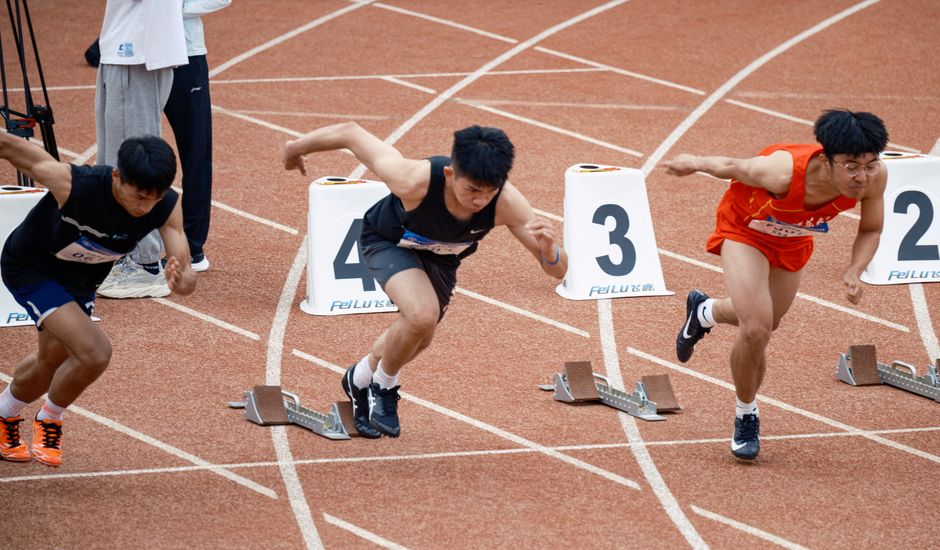
The Montjuïc sports complex has emerged as another crucial anchor. Beyond its historical Olympic legacy, the facilities now host everything from swimming academies to elite cycling training programmes. Recent investments have upgraded track facilities and added specialist strength-and-conditioning suites, positioning the complex as genuine infrastructure supporting both amateur enthusiasts and professional athletes.
Personal training has become increasingly professionalised. Independent trainers—many certified through international bodies—now operate from shared studio spaces throughout Sarrià-Sant Gervasi and Gràcia, where rents remain more manageable than Passeig de Gràcia. This decentralisation means quality coaching is no longer concentrated in expensive central locations.
Statistics from Barcelona's sports council suggest gym membership penetration has reached approximately 18 per cent of the population, up from 12 per cent in 2020. The emergence of hybrid models—combining virtual coaching with physical venues—has further democratised access, allowing residents in outer districts like Nou Barris to engage with trainers based elsewhere.
What's particularly notable is how this infrastructure boom reflects Barcelona's broader positioning as a sporting city. Beyond football's traditional dominance, the city is cultivating genuine grassroots fitness culture, supported by venues and facilities that make serious training achievable for ordinary residents. The infrastructure, finally, matches the ambition.
This article was compiled by AI from the sources linked above and screened before publishing. See our editorial standards.