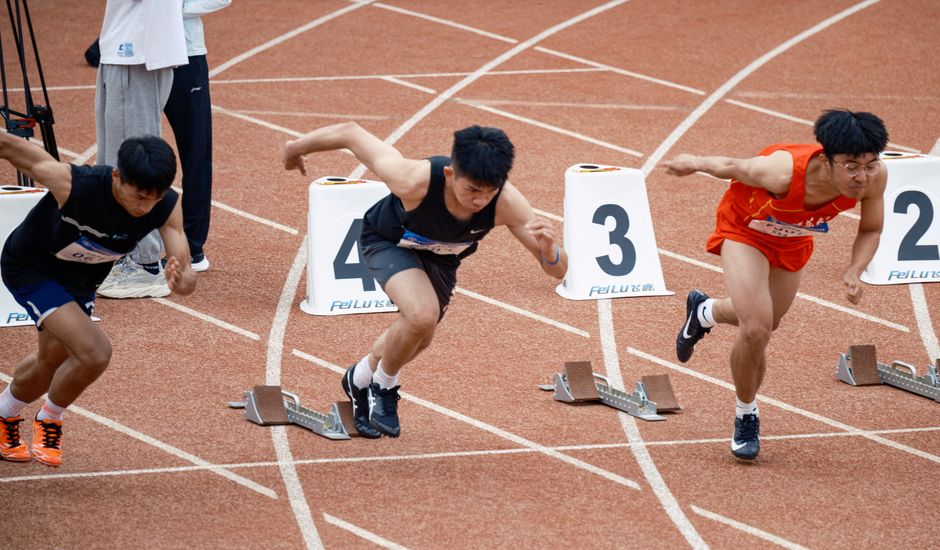
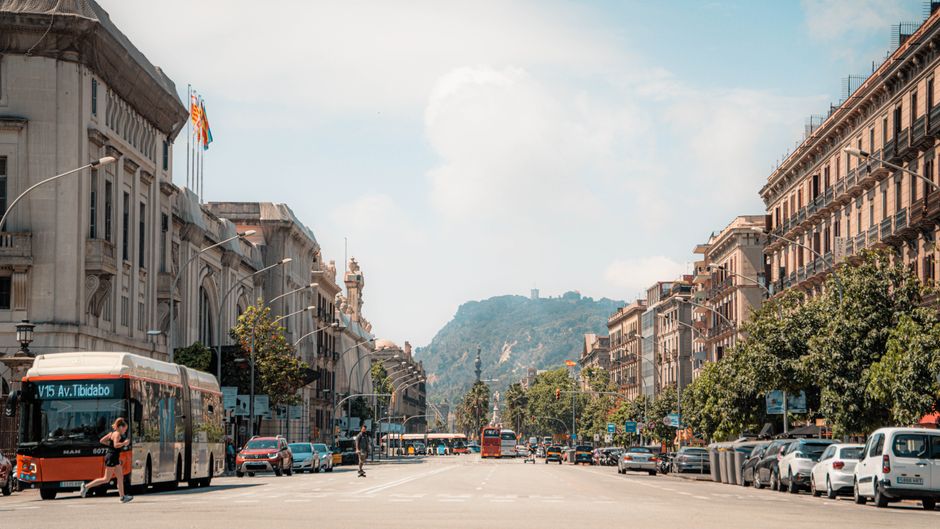
On Saturday mornings, the Paseo Marítimo fills not with tourists but with hundreds of cyclists in mismatched kits, their bikes ranging from vintage steel frames to entry-level aluminum. They're part of Barcelona's thriving grassroots cycling network—a movement born not from gyms or expensive clubs, but from neighbourhood garages and WhatsApp groups in districts like Gràcia, Sant Antoni, and Poblenou.
What began five years ago as informal meetups has evolved into a structured ecosystem. Clubs like Ciclos del Besòs and the Sant Martí Cycling Collective now organise weekly routes spanning 40 to 90 kilometres, with membership fees rarely exceeding €15 monthly. The numbers tell the story: participation in amateur cycling groups across the city has grown by 340% since 2021, according to the Barcelona Sports Council.
The running community shows similar momentum. Groups operating from parks like Montjuïc and Ciutadella attract participants of all abilities, from 5K joggers to ultramarathon enthusiasts. The Gràcia Running Collective, founded in 2019, has grown from 12 members to over 800, with members paying just €8 per month for structured training and community support.
Yet the real story lies in triathlon—traditionally an elite sport requiring expensive equipment and club memberships costing €300 annually. Grassroots triathlon cooperatives have democratised access. Groups organising around the Piscines Bernat Picornell now offer training for €50 monthly, providing coaching, nutrition guidance, and peer mentorship that rival premium facilities at a fraction of the cost.
What drives this movement? Community organisers point to accessibility and authenticity. Unlike corporate fitness chains proliferating along Paseo de Gracia, these neighbourhood initiatives operate on volunteer energy and shared passion. They've created informal support networks where beginners train alongside experienced athletes, where languages mix freely, and where Barcelona's diverse population intersects around a common commitment to endurance sport.
The infrastructure remains deliberately modest. Meeting points are public spaces: plazas, parks, waterfront promenades. Organisation happens through free platforms. Investment comes through member contributions and occasional local business sponsorships rather than venture capital.
This grassroots phenomenon reflects a broader shift in Barcelona's sports culture—one rejecting exclusivity and corporate gatekeeping. As the city positions itself for the 2030 Olympic bid, these humble running clubs and cycling collectives represent something equally valuable: a sustainable, inclusive athletic community built from the ground up by residents determined to keep endurance sport accessible to everyone.
This article was compiled by AI from the sources linked above and screened before publishing. See our editorial standards.