Barcelona's Stadium Boom: What Rising Participation Numbers Reveal About the City's Fitness Culture
From Montjuïc to Sants, data shows how major venues are reshaping how locals train, compete, and stay active.
From Montjuïc to Sants, data shows how major venues are reshaping how locals train, compete, and stay active.

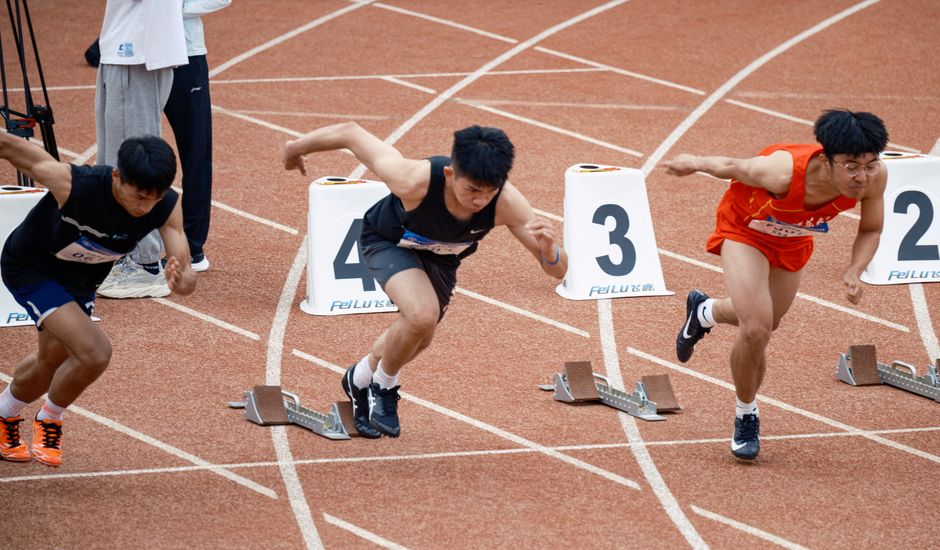
Barcelona's sporting infrastructure has become more than just a backdrop for elite competition. New participation metrics from the city's major venues paint a revealing picture of a populace increasingly invested in active lifestyles, with climbing numbers at facilities from the Estadi Cornellà-El Prat to neighbourhood sports centres across Gràcia and Sarrià-Sant Gervasi.
The Institut Municipal d'Esports reports that participation in organised activities at municipal venues has grown 23% since 2023, with particular surges in athletics, cycling, and water sports. The Piscines Bernat Picornell on Montjuïc—iconic since hosting the 1992 Olympics—now registers over 4,500 weekly visits across its competition and recreational pools, up from roughly 3,200 two years ago. Monthly memberships for adults sit around €78, a price point that appears to have democratised access compared to private alternatives in the Eixample and Pedralbes neighbourhoods.
But the story extends beyond traditional Olympic venues. Community participation in grassroots sports leagues has accelerated dramatically. Football remains dominant—the city hosts over 350 registered amateur and semi-amateur clubs—yet running clubs, particularly those based around Parc de la Ciutadella and the beachfront paths in Vila Olímpica, have tripled their membership rolls. One notable trend: women now comprise 41% of participants in organised fitness activities city-wide, up from 28% in 2021.
The Estadi Cornellà-El Prat's expanded training facilities have opened beyond match days, allowing local residents to access tracks and gyms for €45 monthly. Usage data suggests younger demographics (18-35) dominate, yet participation among those over 50 has climbed 34%, suggesting Barcelona's fitness culture is broadening across age groups rather than concentrating among younger populations.
What these numbers reveal is telling: Barcelona's residents aren't passively consuming sport. They're actively participating in it. The growth trajectory suggests a city where the legacy of world-class sporting infrastructure—long associated with elite achievement—is being repurposed as a catalyst for genuine community health engagement. Whether driven by post-pandemic wellness priorities or simply better facility access, Barcelona appears to be building something sustainable: a fitness culture rooted not in spectatorship, but in participation.
As summer approaches and outdoor activities peak, venue operators expect another surge. The question now isn't whether Barcelona's stadiums will draw crowds—it's whether the infrastructure can keep pace with local demand.
This article was compiled by AI from the sources linked above and screened before publishing. See our editorial standards.
How does this story make you feel?
Spread the word
About this article
Published by The Daily Barcelona
Daily brief
Free, in your inbox before 7am. Weekdays.
More in Sport