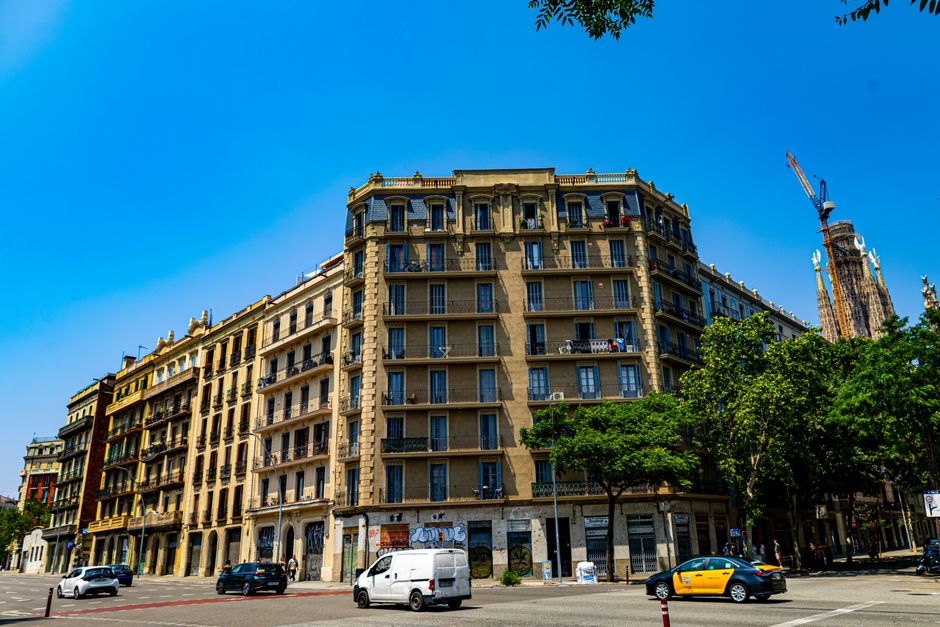
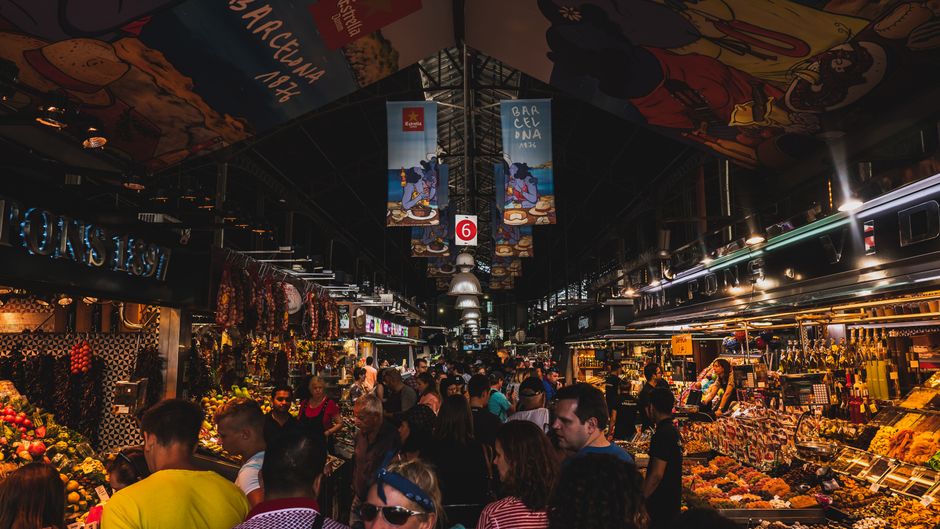
While Barcelona's property spotlight traditionally shines on beachfront Barceloneta and the Gothic Quarter's medieval maze, a quiet revolution is unfolding in Gràcia—the city's most underrated neighbourhood that's finally attracting serious investor attention.
Gràcia, nestled north of Passeig de Gràcia, has long been beloved by locals for its bohemian squares and tight-knit communities. But recent market data reveals why international buyers are now taking notice: property prices in the district have climbed 12-15% year-on-year, yet remain 18-22% below comparable Gothic Quarter listings. A two-bedroom apartment in the heart of Plaça del Sol currently averages €480,000–€550,000, while similar stock five minutes south costs €650,000+.
The shift reflects a broader Barcelona trend. As overtourism transforms the old city into a sterile backdrop for Instagram photos, genuine neighbourhoods offering authentic Spanish living are becoming the real prize. Gràcia delivers exactly that.
Key streets driving momentum include Verdi, now lined with independent restaurants and design studios that rival trendy Poblenou, and Còrsega, where renovation projects are unlocking period properties' full potential. Plaça de la Virreina remains the neighbourhood's beating heart—a genuine community hub where neighbours actually gather, setting it apart from the transient tourist zones.
Recent school improvements and metro accessibility upgrades have further strengthened Gràcia's investment case. The neighbourhood's proximity to both the city centre and Recinte Modernista de Sant Pau positions it perfectly for young professionals and families seeking authentic Barcelona living without sacrificing convenience.
Local real estate agents report significant interest from European buyers aged 35-50, particularly those relocating for remote work. These aren't flip-focused investors—they're buying family homes and viewing them as long-term assets in a neighbourhood with genuine staying power.
What makes Gràcia particularly compelling is its built-in resilience. Unlike areas entirely dependent on tourism, this neighbourhood's economy rests on residents, local businesses, and genuine community infrastructure. That foundation makes it far less vulnerable to the market corrections that could hit tourist-dependent precincts.
The message is clear: Barcelona's next wave of smart property investors aren't chasing postcards. They're recognising that Gràcia offers something increasingly rare in major European cities—an authentic neighbourhood where prices still reflect local value rather than international hype, but where fundamentals support long-term appreciation.
For Barcelona property watchers, Gràcia represents opportunity before the mainstream catches on.
This article was compiled by AI and screened before publishing. See our editorial standards.