Barcelona's Rental Yields Are Still Beating the Banks — If You Know Where to Look
A practical guide for first-time property buyers trying to make sense of a market where €4,000 per square metre is just the starting point.
A practical guide for first-time property buyers trying to make sense of a market where €4,000 per square metre is just the starting point.
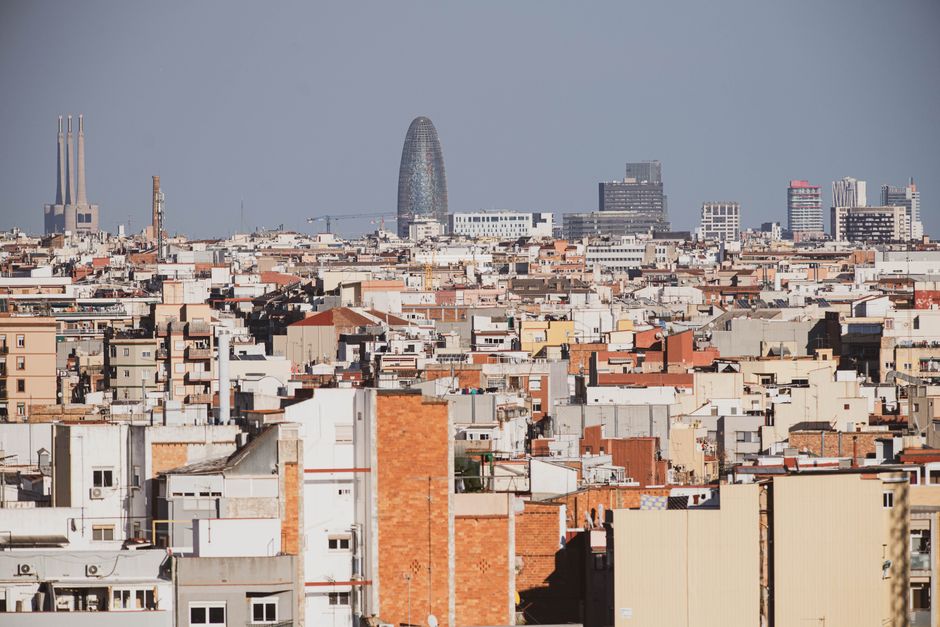
Gross rental yields in Barcelona are running between 4.5 and 6.2 percent depending on neighbourhood, according to data compiled by the Col·legi d'Agents de la Propietat Immobiliària de Catalunya — comfortably ahead of a standard Spanish savings account paying under 2 percent. For first-time buyers weighing up whether to enter the market, that gap is the single most important number to understand before signing anything.
Why does this matter right now? The city's rental regulation framework, introduced under Catalonia's Law 11/2020 and subsequently extended, has kept headline rents in tension with rising purchase prices. Landlords in the so-called stressed zones — which cover the vast majority of Barcelona's 73 neighbourhoods — face caps on what they can charge new tenants. That creates a specific arithmetic problem for buyers: the acquisition cost keeps climbing while the rental income ceiling holds. Getting the entry price right has never mattered more.
Poblenou is the neighbourhood most property advisers point to first. The 22@ technology district along Carrer de Pallars and the surrounding blocks has seen average asking prices reach €3,800 per square metre for older stock, below the city average of roughly €4,000, while demand from young professionals and digital-economy workers keeps vacancy rates low. A 55-square-metre apartment bought at €209,000 and rented at €1,050 per month generates a gross yield close to 6 percent before costs — realistic numbers for secondary stock that needs cosmetic work.
Gràcia tells a different story. Around Plaça de la Vila de Gràcia, prices for renovated flats routinely push past €4,500 per square metre. The neighbourhood has strong demand and low turnover, which reduces void periods, but the higher entry cost compresses yields toward the 4 to 4.5 percent range. For first-time buyers with a smaller deposit, the maths can be brutal. Sant Martí, immediately south of the old Rambla del Poblenou, offers a middle path: prices still below the city average in some pockets, improving transport links, and a tenant pool that skews toward stable, longer-term renters rather than short-stay tourists.
Eixample remains the prestige postcode and the trap for the undercapitalised. Prime blocks between Passeig de Gràcia and Carrer d'Enric Granados fetch €5,500 to €6,500 per square metre for renovated units. Yields drop to 3.5 percent or below. Unless a buyer is purchasing for capital appreciation over a ten-year-plus horizon, the yield case does not hold up against the financing costs on a standard 70 percent loan-to-value mortgage at current Euribor rates, which were still tracking around 2.7 percent in June 2026.
The three most common errors, according to property managers at firms operating in the Sant Martí and Poblenou corridors, are underestimating the purchase transaction costs, ignoring the community fee burden on older buildings, and failing to model the rental cap correctly before submitting an offer.
Transaction costs in Catalonia stack up fast. Buyers pay a 10 percent Impost de Transmissions Patrimonials on resale properties, plus notary, land registry, and agency fees that typically add another 1.5 to 2 percent. On a €250,000 flat, that is €30,000 in cash out of pocket before a single repair is made. First-time buyers who have saved exactly the 30 percent not covered by their mortgage often find they are short by the time they reach the notary's table on Carrer de Provença or wherever the signing happens.
The community fee — the quota de comunitat — on a building constructed before 1970 can run to €150 or €200 a month and is almost never disclosed prominently in listing descriptions. Combined with IBI property tax and basic insurance, an investor can easily lose one full month's rent per year to fixed costs before accounting for repairs or periods between tenants.
The practical advice is unglamorous but consistent: buy below the city average price per square metre, target buildings constructed after 1990 where possible to reduce maintenance exposure, model your rental income using the Índex de Referència de Preus de Lloguer tool provided by the Generalitat de Catalunya before making an offer, and treat anything above a 5 percent gross yield in a stressed zone with scepticism until the numbers are independently verified. The market rewards patience and penalises optimism priced in at acquisition.
How does this story make you feel?
Spread the word
About this article
Published by The Daily Barcelona
Daily brief
Free, in your inbox before 7am. Weekdays.
More in Property