Barcelona's Downsizers Drive Prices Up in Three Neighborhoods
Empty-nesters selling off sprawling family flats are reshaping demand in three specific neighbourhoods — and driving prices up in the process.
Empty-nesters selling off sprawling family flats are reshaping demand in three specific neighbourhoods — and driving prices up in the process.
The numbers are stark. Barcelona's over-55 demographic now accounts for nearly one in three property transactions in the city, according to data compiled by the Col·legi de Registradors de Catalunya for the first half of 2026. They are selling large, under-occupied flats in Eixample and Sarrià-Sant Gervasi and buying smaller, better-located units elsewhere — and the neighbourhoods absorbing that demand are shifting fast.
This matters because the city's housing debate has been dominated by tourist pressure and short-term rental regulations under the 2023 Plan Especial Urbanístic d'Allotjaments Turístics, which capped new licences across most central districts. The knock-on effect has been a flood of previously tourist-let stock back into the residential market. Downsizers, with cash freed from large family homes, are among the most competitive buyers for exactly those units: well-renovated, two-bedroom, with a terrace or lift. The collision of those two trends is quietly remaking the city's residential geography.
Poblenou tops the list for buyers wanting urban edge without the noise. The 22@ tech district has dragged investment into the broader neighbourhood for a decade, but it is the streets immediately south — Rambla del Poblenou itself, and the quieter blocks around Carrer de Pallars — that are catching the eye of buyers in their late 50s and 60s. Average ask prices there sit around €3,600 per square metre, roughly 10 percent below the city average, though that gap has narrowed by four points since January 2025. A 75-square-metre flat with a balcony and parking in this pocket was trading at approximately €270,000 eighteen months ago; comparable units are now listed above €310,000.
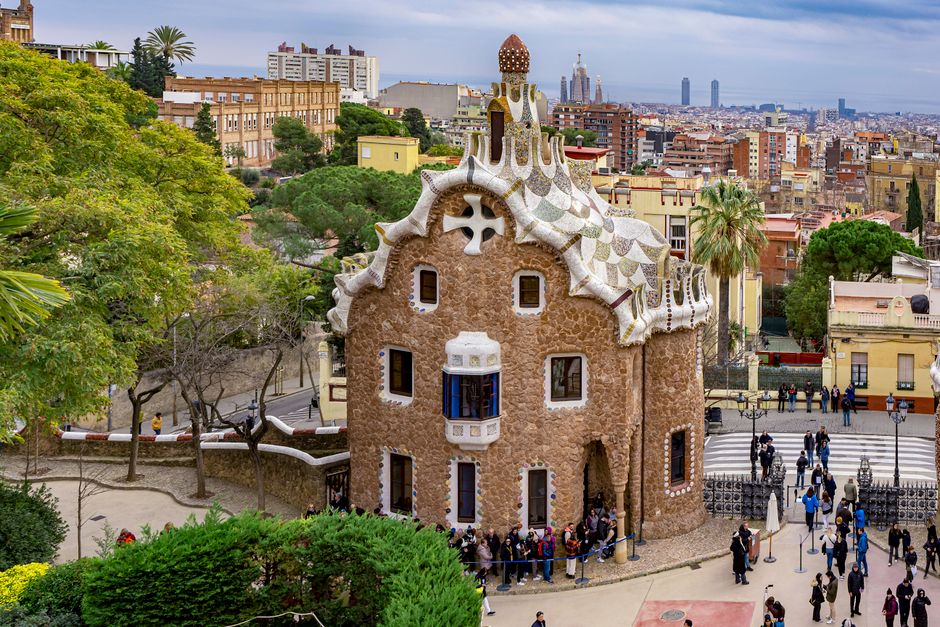
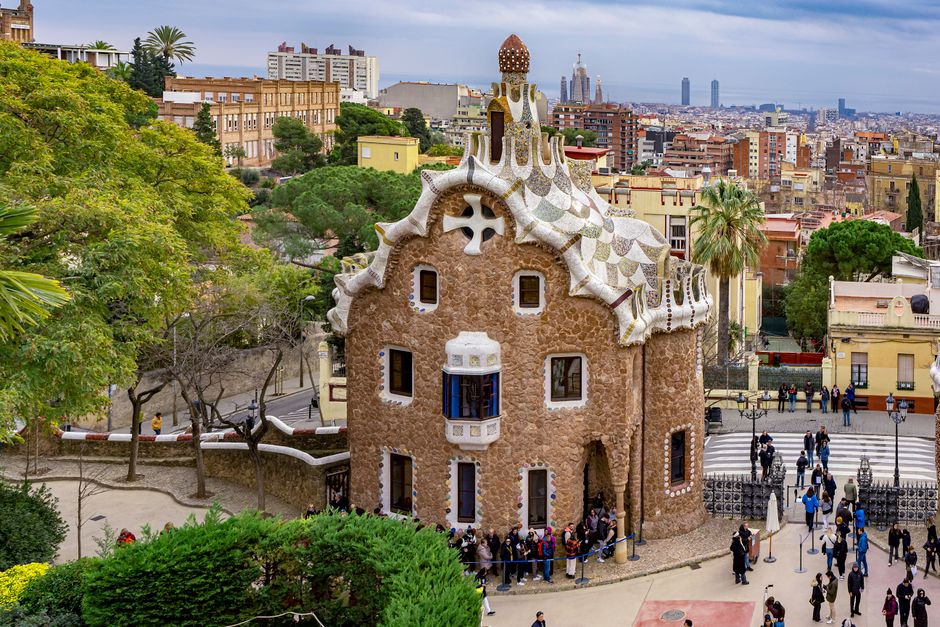
Gràcia is the second magnet. The neighbourhood's pre-war building stock, the Sunday market at Plaça de la Llibertat and the concentration of independent restaurants along Carrer de Verdi make it the default answer when downsizers describe what they want: walkable, characterful, not anonymous. Properties on the higher streets near Park Güell remain cheaper per square metre than the Eixample but carry strong resale fundamentals. The local residents' association, the Associació de Veïns de la Vila de Gràcia, flagged in its May 2026 bulletin that long-term rental vacancies in the neighbourhood had dropped to their lowest level in seven years.
The third option, less discussed, is Sant Andreu. The district sits north of Sagrada Família, anchored by the Mercat de Sant Andreu on Plaça del Mercadal, and it has absorbed a quiet migration of buyers priced out of Gràcia or put off by Poblenou's construction noise. Average prices here are still below €3,200 per square metre. The arrival of the Sagrera high-speed rail hub — construction on the surrounding urban park project, the Parc de la Sagrera, is now scheduled for partial opening in late 2027 — has given buyers a long-term infrastructure argument that did not exist five years ago.
A typical transaction in this cohort involves selling a 130-square-metre flat in the Esquerra de l'Eixample, which at current market values can clear €520,000 to €580,000 net of agent and notary fees. The buyer then acquires an 80-square-metre unit in one of the three neighbourhoods above for between €280,000 and €360,000, retains liquid capital, and cuts community fees and utility costs substantially. Mortgage brokers at Hipoo and Housell both report that this buyer profile — debt-free, equity-rich, motivated by lifestyle rather than price — is their fastest-growing client segment in Barcelona in 2026.
For anyone considering the same move, three practical realities apply. First, the window in Sant Andreu is probably the most time-sensitive: once the Sagrera park project opens, analysts at the Barcelona-based consultancy Forcadell expect prices to close the gap with Poblenou within 18 months. Second, buyers should check whether a target building has a valid Informe de l'Edifici, the mandatory structural inspection report; older Sant Andreu and Gràcia stock sometimes lags on compliance. Third, the city's Oficina de l'Habitatge operates neighbourhood-specific advisory sessions every Tuesday morning at its Carrer de Bisbe Caçador office — free, and genuinely useful for navigating the paperwork that accompanies any transaction above €400,000.
How does this story make you feel?
Spread the word
About this article
Published by The Daily Barcelona
Daily brief
Free, in your inbox before 7am. Weekdays.
More in Property