Sant Andreu Tops Barcelona Rental Yields: Investors Take Note
The northern district edges out Poblenou and Gràcia with returns now averaging 5.7%.
The northern district edges out Poblenou and Gràcia with returns now averaging 5.7%.
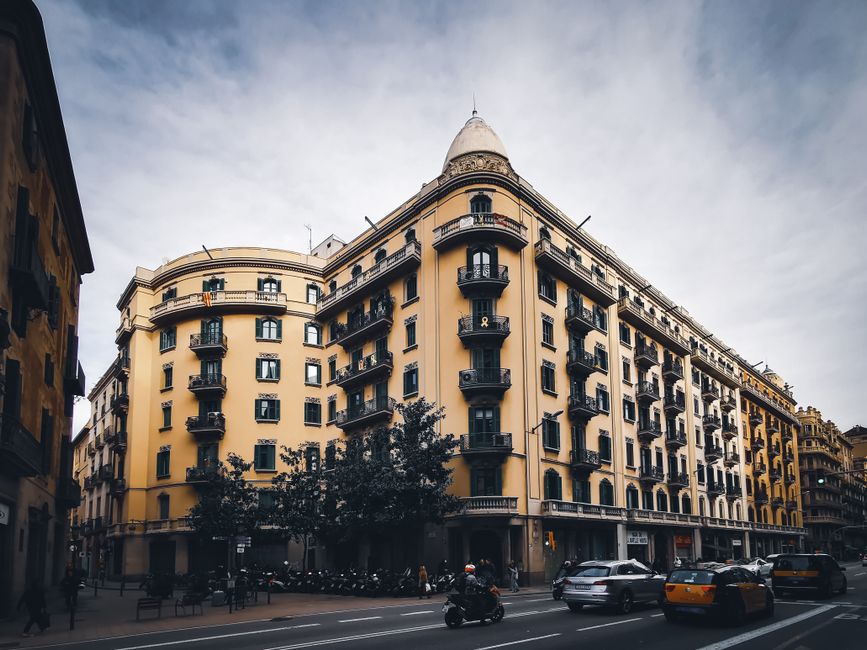
Sant Andreu, a traditionally working-class district in Barcelona’s north, has quietly clinched the city’s highest rental yield, surpassing flashier contenders in Eixample and the rapidly gentrifying Poblenou. According to June figures from Idealista, investors in Sant Andreu can now expect average yields of 5.7%—comfortably ahead of Poblenou’s 4.8% and Gràcia’s 4.5%.
This comes at a time when Barcelona’s property market is under heavy scrutiny. The city’s average price per square metre hit EUR 4,000 in May, squeezing returns in prime areas and shifting investor focus away from the tourist-choked districts. With France reeling from deadly heatwaves and southern Europe on high alert for more extreme weather, demand for “livable” rental stock in cities like Barcelona, especially away from the seafront, is outpacing supply.
Sant Andreu’s stretch along Carrer Gran de Sant Andreu and around Plaça d'Orfila has seen a steady influx of renters, young families, and even remote tech workers priced out of Eixample. The district enjoys excellent transit links—Clot and La Sagrera stations are both within a short ride, plugging commuters directly into the Rodalies and Metro grid, which has helped sustain rental demand. Local venues like Nau Bostik and the El Sant Andreu Teatre attract weekend crowds, underpinning a livelier high street than in the past.
Yet property purchase prices in Sant Andreu remain a relative bargain. In the neighbourhood of Bon Pastor, two-bedroom apartments have sold below EUR 3,200 per square metre in recent months, say market agents at Finques Feliu. Contrast that to core Eixample, where similar properties still breach EUR 5,200 per square metre, and the underlying appeal for yield-focused investors becomes clear.
The municipal clampdown on Airbnb-style short-term lets—the Ajuntament’s 2025 cap now restricts new tourist licences across Sant Martí, the Gothic Quarter, and Gràcia—has inadvertently funnelled demand towards stable long-term rentals. This has led to record occupancy rates in established neighbourhoods north of Avinguda Meridiana. According to property platform Photocasa, average asking rents in Sant Andreu climbed 11% year-on-year to reach EUR 18.40 per square metre by late June. A typical 70-square-metre flat now fetches EUR 1,288 per month, with most on the market snapped up in under three weeks.
Analysts at Sociedad de Tasación say the tightness is likely to persist. The number of new build permits issued in Sant Andreu in the first half of 2026 was just 94, compared with 312 in Sant Martí, leaving little risk of rental oversupply in the short term. The district’s relative insulation from tourist rental speculation has shielded yields, even as wider Barcelona debates stricter regulation and the looming extension of the housing rent cap beyond the current sunset at the end of 2026.
For would-be investors, advisers recommend looking at well-connected streets like Passeig de Torras i Bages and around the Sagrera Linear Park redevelopment zone. With the EUR 840 million Sagrera high-speed rail project nearing completion—and local schools like Institut Doctor Puigvert expanding intake—Sant Andreu’s future rental appeal remains robust. While prices are now edging upward, the gap with pricier districts means rental yields could hold above 5% for the foreseeable future, provided renters’ appetite for well-located, liveable flats persists. As always, careful diligence on building condition and tenant rights is essential; but for yield hunters, Sant Andreu is suddenly on every watchlist.
How does this story make you feel?
Spread the word
About this article
Published by The Daily Barcelona
Daily brief
Free, in your inbox before 7am. Weekdays.
More in Property