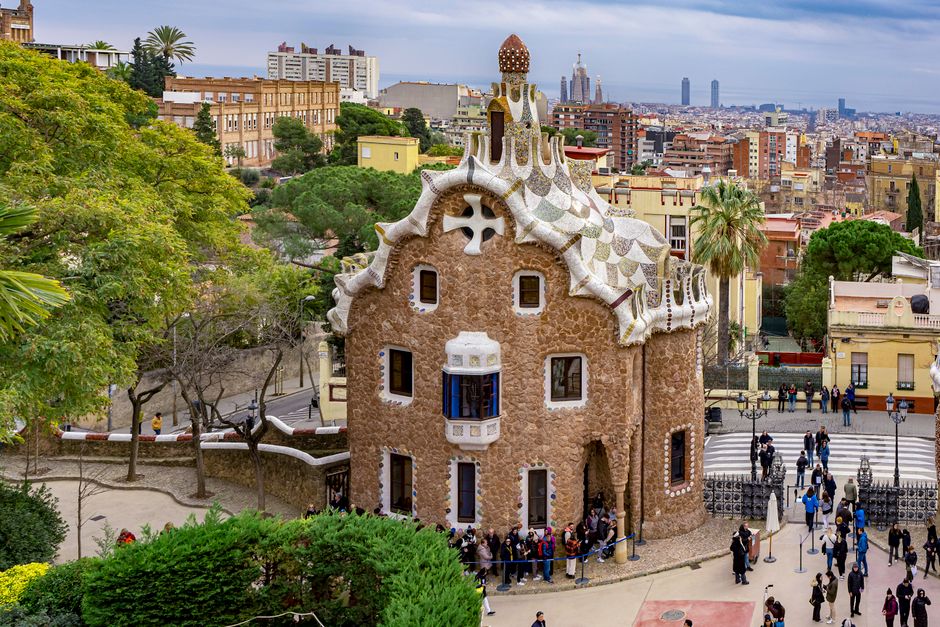
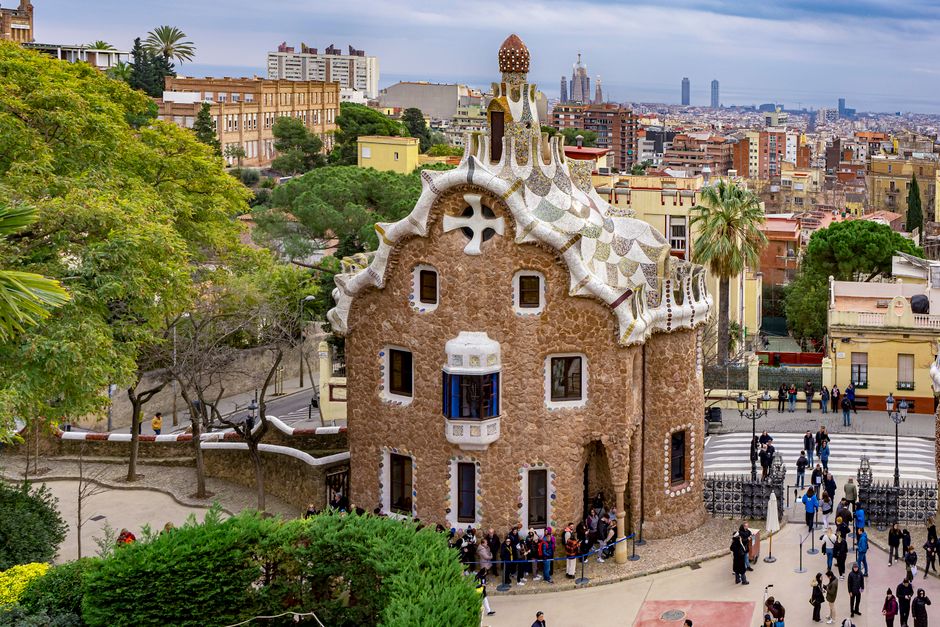
Sant Andreu: The Gentrifying Pocket Attracting Barcelona’s Young Professionals
Formerly overlooked, Sant Andreu is fast becoming a magnet for first-time buyers and startups, with prices still lagging behind the city average.
Formerly overlooked, Sant Andreu is fast becoming a magnet for first-time buyers and startups, with prices still lagging behind the city average.
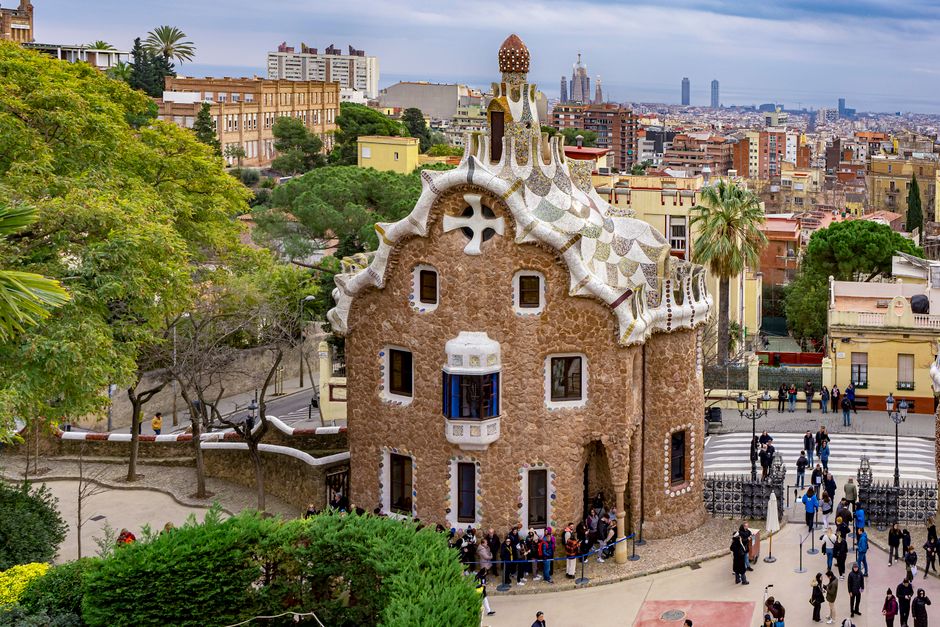
Sant Andreu’s streets, just ten metro stops from Plaça Catalunya, have seen an influx of young professionals snapping up renovated lofts and sipping cortados at minimalist cafés. The transformation has been unmistakable. Over the past 12 months, the old industrial quarter around Carrer Gran de Sant Andreu has registered a surge in property transactions—up 21% since June 2025, according to figures from Idealista.
The timing is no coincidence. With Barcelona’s citywide property prices soaring to an average of €4,000 per square metre this spring, traditional hotspots like Eixample and Gràcia have become unaffordable for many buyers in their twenties and thirties. The race to find the next district on the rise has turned eyes northwards, away from saturated tourist corridors, and onto Sant Andreu’s mix of historic streets and new developments.
Once known primarily for its disused factories and quiet plazas, Sant Andreu is now home to some of the city’s buzziest coworking spaces. Espai30, on Carrer Hondures, hosts tech meetups most Thursday evenings, while the restored Nave Bostik cultural centre draws crowds for art fairs and street food weekends. The area is benefitting from the city council’s Llevant initiative—an urban renewal program channelling €70 million since 2020 into wider pavements, planted boulevards, and subsidised workspace for startups.
Much of the action is clustered between La Maquinista—the giant retail and leisure mall anchoring new residential towers—and the classic 19th-century apartments of Plaça d’Orfila. Local estate agencies report two-bedroom flats in this corridor change hands at €3,100 to €3,400 per square metre. That’s still 20% below the city average, but rising fast.
The neighbourhood’s profile is changing. According to a June 2026 report by Barcelona Activa, 37% of all homebuyers in Sant Andreu so far this year were under 35—a higher share than in any central district except Poblenou. Rental yields are rising, too, with average monthly rents on Carrer de la Sagrera up 12% year-on-year to €1,335 for a renovated two-bedroom. “The tech jobs are here, the schools are improving, and the R4 train line means Plaça Catalunya is 14 minutes away,” said a manager with a local property consultancy—one of several seeing increased buying activity from remote-working professionals and EU citizens leaving denser city sectors. The nearby Fabra i Coats complex, now home to more than 50 creative businesses, is a further draw.
But agents caution that competition is intensifying: nearly 40% of listed homes went under offer within three weeks this spring, a sharp acceleration versus pre-pandemic norms when flats here lingered on the market for months. Meanwhile, residents in the Sant Andreu de Palomar section are petitioning the Ajuntament to protect subsidised housing stock following a hot summer of investor interest.
For buyers weighing their next move, the advice is clear: this pocket’s window of relative affordability is closing. Savvy locals are eyeing smaller blocks near Parc de la Pegaso and the final stages of Sagrera rail development, both flagged for completion by June 2027. With the city’s high-speed rail project on track and new cycle lanes completed along Avinguda Meridiana, the transformation of Sant Andreu from overlooked outpost to young professional hub looks set to continue—and speed up.
How does this story make you feel?
Spread the word
About this article
Published by The Daily Barcelona
Daily brief
Free, in your inbox before 7am. Weekdays.
More in Property