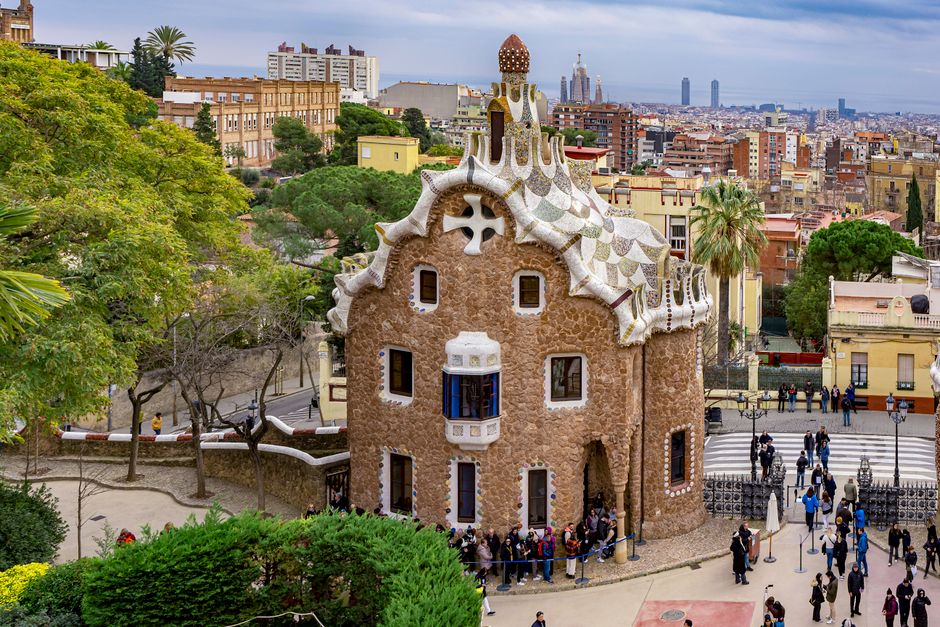
How to save a deposit faster in Barcelona's brutal property market
With average prices nudging €4,000 per square metre and first-home grants buried in bureaucracy, buyers who move strategically are pulling ahead of those who don't.
With average prices nudging €4,000 per square metre and first-home grants buried in bureaucracy, buyers who move strategically are pulling ahead of those who don't.

The maths are punishing. A 70-square-metre flat in the Eixample district now costs roughly €280,000 at current market rates, meaning a first-time buyer needs to assemble somewhere between €42,000 and €56,000 just to cover the standard 15–20 per cent deposit before touching notary fees, ITP transfer tax or the bank's own arrangement costs. For a single earner on the Catalan median salary of around €27,500 gross, that gap does not close by accident.
The pressure matters more this summer than it did twelve months ago. The Generalitat de Catalunya's 2025 Housing Law capped tourist rental licences in high-demand zones, but enforcement has been patchy across Gràcia and Sant Martí, keeping a significant slice of the city's smaller flats off the long-term market and pushing would-be buyers to compete over a thinner stock. Meanwhile the European Central Bank's deposit rate, which peaked above four per cent in 2024, has eased back toward 2.5 per cent — good news for mortgage affordability, but it also means savings accounts are paying less than they were two years ago.
Barcelona City Hall runs the Oficina de l'Habitatge de Barcelona, with eleven district offices across the city including a busy branch on Carrer de Llull in Poblenou that handles first-buyer enquiries. Staff there can walk applicants through two programmes worth knowing. The first is the Aval Habitatge, a Catalan government guarantee scheme that can cover up to 15 per cent of the mortgage principal for buyers under 36, reducing the cash deposit required. The second is a municipal subsidy line under the Pla pel Dret a l'Habitatge 2022–2030, which offers up to €10,000 toward purchase costs for households earning below a set income threshold — currently €2,900 net monthly for a single-person household. Both programmes have annual budget caps and tend to run dry between March and June each year, so applications filed in September or October historically have a better chance of landing.
For buyers who cannot yet qualify, the fastest deposit-building move in this market is arguably geographic arbitrage. A 65-square-metre flat in the Besòs i el Maresme neighbourhood along the north-east edge of Sant Martí was trading at roughly €2,600 per square metre in the first quarter of 2026, compared with €5,200 per square metre on Carrer del Consell de Cent in the Eixample Esquerra. Buying at the cheaper end of the city means a smaller total deposit in absolute euros even if the percentage requirement is identical.
Beyond geography, financial advisers working with first-time buyers in Barcelona consistently point to three structural habits. First, the Compte Estalvi Habitatge — a dedicated housing savings account available through most Spanish retail banks including CaixaBank and Sabadell — offers a modest tax deduction on Catalan income tax returns for qualifying contributions up to €9,040 per year. Second, buyers who are currently renting should document every rent payment formally, because several Catalan mortgage lenders now accept a 24-month rental history as part of solvency assessment, which can marginally reduce the deposit requirement on certain products. Third, and most bluntly, couples or co-buyers who split living costs during a structured 30-month savings plan and invest the surplus in low-cost index funds rather than standard savings accounts have been reaching their deposit targets considerably faster in the current environment, even accounting for market volatility.
The Oficina de l'Habitatge recommends that serious buyers attend one of its free Jornades d'Assessorament sessions, held on the second Tuesday of each month at the Carrer de Llull office. Pre-registration opens four weeks in advance and slots typically fill within 72 hours. The next available session falls on 14 July. Showing up with a realistic budget spreadsheet and documentation of existing savings already shortens the appointment and speeds the grant assessment process. Those who treat the bureaucracy as a parallel project rather than a final step tend to close faster — sometimes by months.
How does this story make you feel?
Spread the word
About this article
Published by The Daily Barcelona
Daily brief
Free, in your inbox before 7am. Weekdays.
More in Property