Barcelona First-Home Buyers: What €465,000–€650,000 Actually Gets You in Each Barrio
With prices rising and competition fierce, here's a street-by-street guide to starter homes in Barcelona's most sought-after areas—and the grants that can help.
With prices rising and competition fierce, here's a street-by-street guide to starter homes in Barcelona's most sought-after areas—and the grants that can help.
Choosing a first home in Barcelona is an exercise in compromise—especially when your budget sits between €465,000 and €650,000. At these prices, today’s buyers are skipping landmark facades in Eixample’s Quadrat d’Or for new-builds in Poblenou or compact apartments in Gràcia. In June, the city’s notaries registered 473 residential sales in this bracket, as families and professionals scrambled to settle before the summer rush.
This matters now because the local market remains fiercely competitive, driven by high demand for centrally located properties and surging rental costs. According to the Barcelona Association of Estate Agents (API Barcelona), first-time buyers are increasingly priced out of established districts unless they qualify for government help. The new Generalitat 'Ajuts Habitatge Jove 2026' grant, launched on 1 April, is already oversubscribed, with over 3,000 applications in the first week—underscoring the urgency for practical advice and concrete examples on what money can buy in key neighbourhoods.
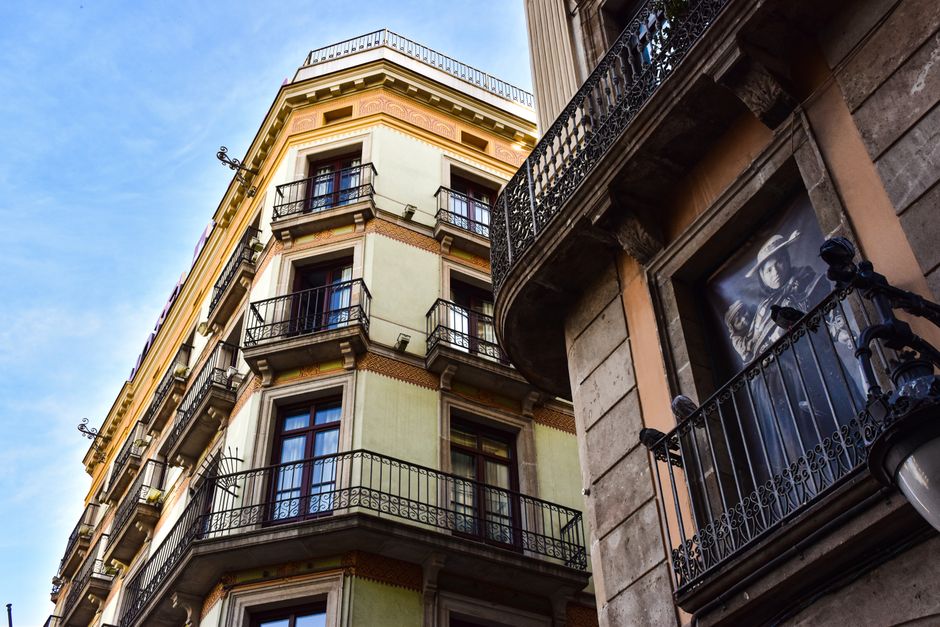
In Eixample, €650,000 will just about stretch to a 90sqm, two-bedroom flat on Carrer d’Aribau or Provença—think fourth floor, no terrace, but recently renovated plumbing and windows. Anything with period mosaic flooring or a decent balcony fetches higher. According to local property site Idealista, the district average hit €5,200/sqm in May. If you’re eyeing Passeig de Sant Joan or streets closer to the Sagrada Familia, expect to compete with foreign investors buying to let.
Poblenou, once Barcelona’s industrial engine and now the city’s tech magnet, has seen prices rocket. €550,000–€600,000 can secure a two- or three-bedroom apartment in a 2010s block along Carrer de Llull—often with a pool or gym, rare elsewhere in the city. Developers here, like Habitat Inmobiliaria, say new units are snapped up months before completion. Venture west into Gràcia, and €540,000 gets you a 70sqm flat on Carrer de Verdi or Torrent de l’Olla—charming, but likely to sacrifice walk-up stairs and a lift. First-time buyers are strong in Gràcia; the CaixaBank-sponsored 'Primera Llar' program reported a 27% uptick in applications from this barrio in the first half of 2026.
Official data from the Ajuntament de Barcelona peg the citywide purchase average at €4,000/sqm as of the second quarter. But this conceals enormous variations: in Sant Martí, €485,000 is sufficient for a 90sqm mid-rise on Rambla del Poblenou, while in Sants or Les Corts it might only secure a smaller, older flat requiring substantial renovation. Meanwhile, the government’s recently expanded 'Ajuts Habitatge Jove' offers up to €12,000 in down-payment support for under-35s earning less than €33,000/year, but only on homes below €570,000—excluding much of Eixample and Sarrià–Sant Gervasi. The push-and-pull has created hotspots, with homes on Carrer de Mallorca selling in just nine days on average, according to API data shared on 28 June.
Competition ramps up in summer as returning Barcelonins scout for primary residences after years abroad, while international buyers—especially from France and Italy—look for pieds-à-terre with strong rental potential. Platforms like Habitaclia and Fotocasa list around 2,700 units in the €500,000–€700,000 bracket, but half are snapped up within a month, agents say.
If you’re planning to buy this year, make grants and timing your friends. Look for homes just below the €570,000 cutoff to unlock government subsidies, especially in up-and-coming areas like Sagrera or parts of Sant Antoni. Secure pre-approval from your bank—La Caixa and Banco Sabadell both offer fast-track mortgage assessment for grant applicants. And be prepared: new listings on streets like Carrer de Corsega or Passeig de Sant Joan rarely last more than a fortnight. Set alerts, keep documentation ready, and if a place feels right, don’t wait for the weekend viewing—competition is fierce, and prices aren’t softening anytime soon.
How does this story make you feel?
Spread the word
About this article
Published by The Daily Barcelona
Daily brief
Free, in your inbox before 7am. Weekdays.
More in Property