Why Sarrià Remains Barcelona’s Blue-Chip Bargain for Savvy Property Buyers
The historic Sarrià district combines stability, prestige, and everyday value—offering a haven for investors priced out of trendier hotspots.
The historic Sarrià district combines stability, prestige, and everyday value—offering a haven for investors priced out of trendier hotspots.
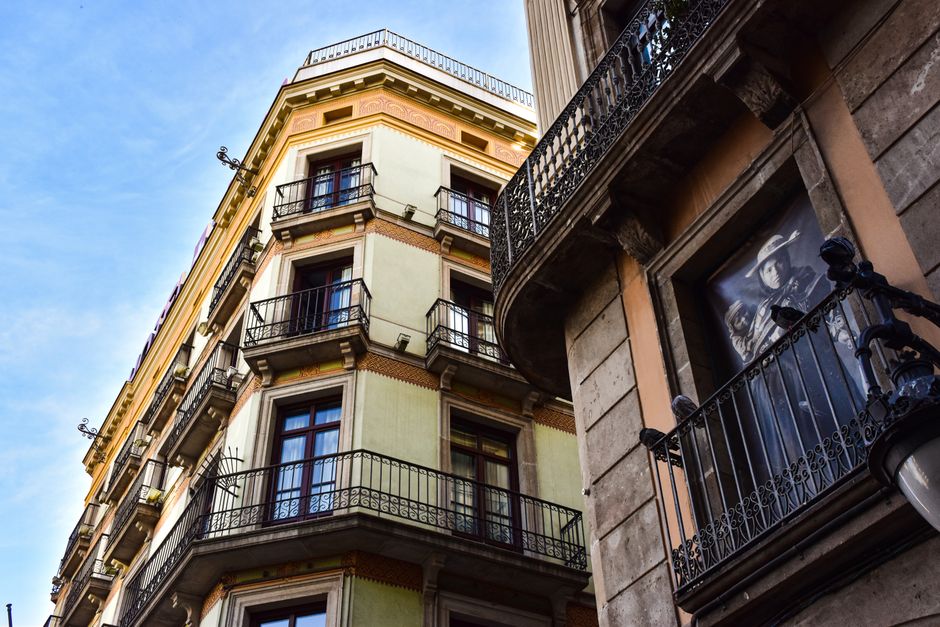
Buyers in Barcelona’s overheated property market are rediscovering Sarrià, drawn by its reputation for old-money stability and relative affordability. Despite surging prices in districts like Eixample and Gràcia, Sarrià’s leafy streets still offer spacious flats and period homes at square-metre prices well under the city’s red-hot centre.
This renewed attention comes as the city’s average price per square metre hit €4,018 in June, according to data from Idealista. While tech-driven Poblenou and the classic grid of Eixample draw headlines—and sky-high bids—Sarrià’s median price last quarter hovered at €4,100/sqm. That figure is notably below Passeig de Gràcia’s peak listings (currently over €11,000/sqm) and even some parts of Gràcia proper. Local agents say demand is climbing, fueled by frustrated buyers edged out of other so-called prime districts.
"On Carrer Major de Sarrià, you can still find refurbished three-bed apartments for under €700,000—a price that barely secures a two-bed in Diagonal Mar or Dreta de l’Eixample," explained one local property agent. The area’s single-family homes, many set back from the main squares, have proven particularly popular with young families and international clients seeking both pedigree and practicality.
Sarrià’s appeal goes well beyond property values. The district boasts some of Barcelona’s top international schools, like St. Peter’s School on Carrer d’Eduard Toldrà and the Lycée Français just south in Pedralbes. The Parc de l’Oreneta, a sprawling urban forest bordering Collserola, gives residents lush greenery rarely found in city-centre barrios. The Mercat de Sarrià, recently refurbished by the Ajuntament de Barcelona as part of its €12 million municipal market investment programme, draws shoppers from across the northwest suburbs on weekends.
Mortgage brokers point out that while investment interest has picked up—the number of purchases in Sarrià-Sant Gervasi rose 13% year-on-year by April, per the Registradores de España—the district has largely avoided the volatility seen in holiday-let hotspots like Barceloneta or El Born. The city’s latest crackdown on illegal tourist apartments has had minimal impact here, according to Ajuntament enforcement statistics, because Sarrià’s tightly managed zoning restricts short-term lets and preserves its residential character.
Market watchers are betting on gradual appreciation still to come. With luxury-focused developments around Passeig de la Bonanova and new upgrades to the Plaça Artós transit hub due in September, interest is expected to remain robust. Local buyers can capitalise on today’s steady prices, while investors backing away from flashier but more volatile neighbourhoods may find Sarrià’s long-term fundamentals especially compelling. For those seeking a stable foothold in Barcelona—with room for value growth—Sarrià stands out as the blue-chip suburb that hasn’t yet lost its edge.
How does this story make you feel?
Spread the word
About this article
Published by The Daily Barcelona
Daily brief
Free, in your inbox before 7am. Weekdays.
More in Property